Ctrl K
1829–1916
Carleton Watkins (1829–1916) was an American photographer whose majestic landscape photographs of the American West, particularly of Yosemite Valley, rank among the most important images in the history of photography. Born in Oneonta, New York, he moved to California during the Gold Rush era and learned photography in San Francisco in the late 1850s.
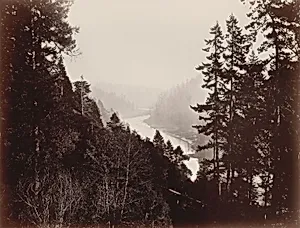
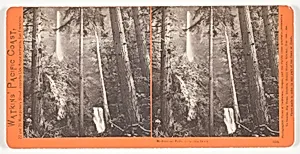
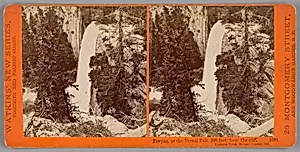
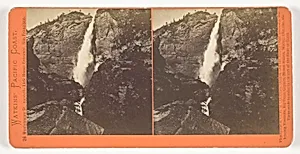
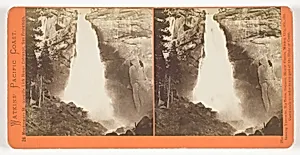
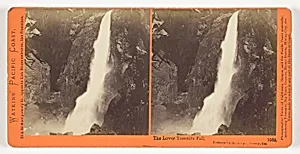
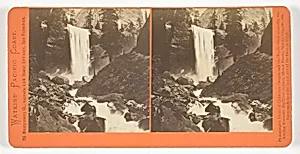
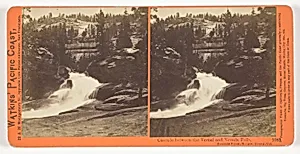
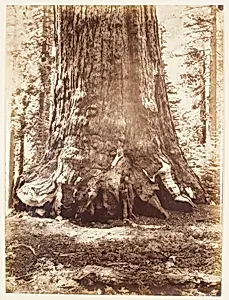
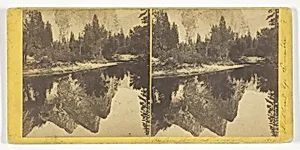
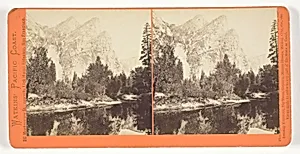
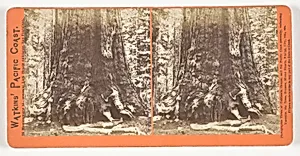
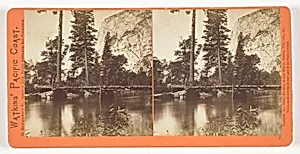
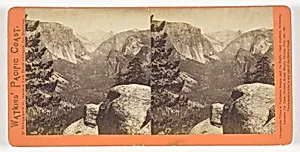
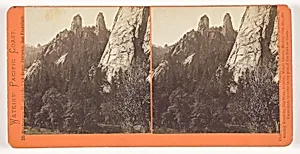
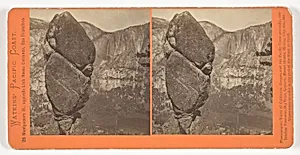
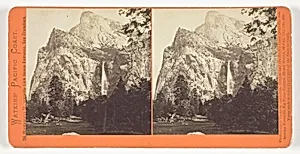
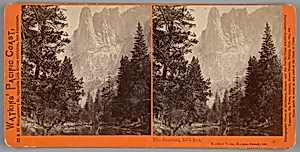
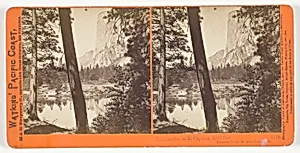
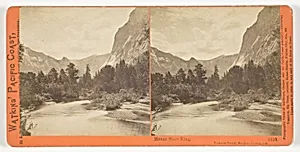
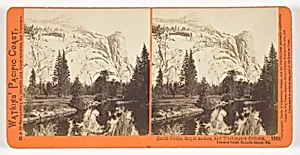
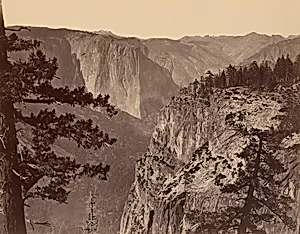
In 1861, Watkins made his first trip to Yosemite Valley, carrying a mammoth-plate camera that produced negatives measuring approximately 18 by 22 inches. The resulting photographs — of towering granite cliffs, cascading waterfalls, and ancient sequoia groves — were unprecedented in their scale, clarity, and compositional grandeur. These images were presented to Congress and are credited with influencing Abraham Lincoln's decision to sign the Yosemite Grant in 1864, protecting the valley as public land.
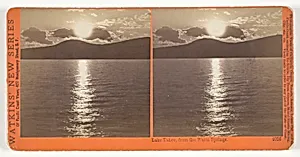
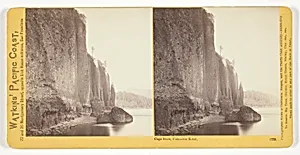
Watkins went on to photograph throughout California, Oregon, Nevada, Arizona, and British Columbia, documenting mines, railways, ranches, and timber operations alongside spectacular natural landscapes. His photographs of the Columbia River Gorge, Mount Shasta, and the Pacific Coast are celebrated for their luminous skies, precise detail, and masterful use of natural light. He worked in both mammoth-plate and stereographic formats, producing images that served both artistic and commercial purposes.
Tragically, Watkins lost his entire archive of negatives and prints to a creditor in 1875, and the replacement archive he spent decades rebuilding was destroyed in the 1906 San Francisco earthquake and fire. Despite these devastating losses, enough of his work survived in institutional collections to secure his reputation. His photographs are held by the Bancroft Library, the Metropolitan Museum of Art, the J. Paul Getty Museum, and the Stanford University Libraries. He is widely regarded as the greatest photographer of the nineteenth-century American West.