Ctrl K
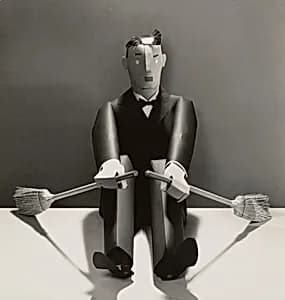
Caroline Whiting Fellows was an American artist active in the late nineteenth and early twentieth centuries, though precise dates of birth and death have not been firmly established in major biographical sources. She worked within the genteel tradition of American women artists of her era, a milieu in which accomplished amateur and professional women painters found meaningful outlets for artistic expression within the social expectations of their time.
Fellows produced work in a variety of media, with a particular emphasis on subjects that were common to educated women artists of the period — intimate domestic scenes, floral studies, and portraiture. Her training likely followed the pattern typical of her generation, combining instruction at established art schools or academies with private study, though the specific teachers who shaped her development are not fully documented.
Though she did not achieve the national prominence of contemporaries like Mary Cassatt or Cecilia Beaux, Fellows contributed to the rich fabric of American artistic production that has increasingly attracted scholarly attention as art historians have worked to recover the stories of women artists long overlooked by the canon. Her works in museum collections attest to a sustained creative practice and to the seriousness with which she pursued her art.
Caroline Whiting Fellows represents a generation of American women artists whose careers were shaped by both the opportunities and the constraints of their era. Growing interest in the history of American women in art has begun to restore such figures to a more prominent place in our understanding of the period.