Ctrl K
1844–1926
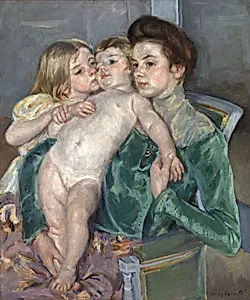
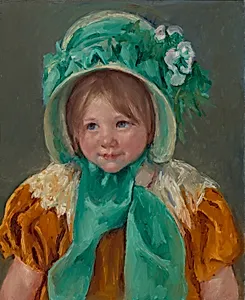
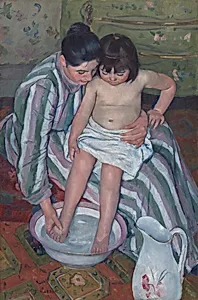
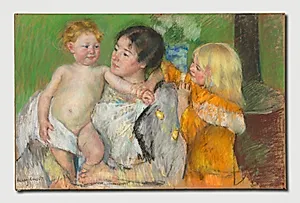
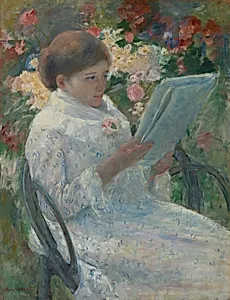
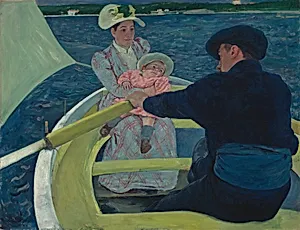
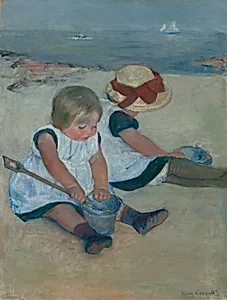
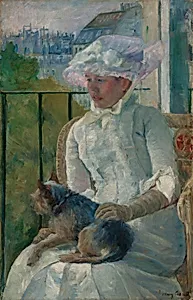
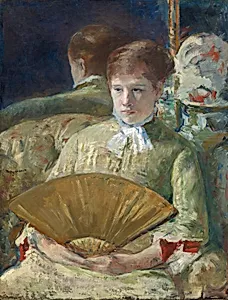
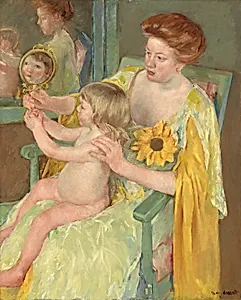
Mary Cassatt (1844-1926) was an American painter and printmaker who became the only American artist to exhibit with the French Impressionists. Born to a wealthy Pennsylvania family, she defied social conventions to pursue art professionally, settling permanently in Paris where Edgar Degas invited her to join the Impressionist group in 1877. Her paintings of mothers and children—rendered with Impressionist light and color but classical solidity—remain her most celebrated works. As an advisor to wealthy American collectors including the Havemeyers, Cassatt played a crucial role in bringing Impressionist art to American museums.
Born May 22, 1844, in Allegheny City, Pennsylvania (now Pittsburgh), to a wealthy family. Despite her father's disapproval, she enrolled at the Pennsylvania Academy of Fine Arts at 15 and later studied in Paris, copying Old Masters at the Louvre.
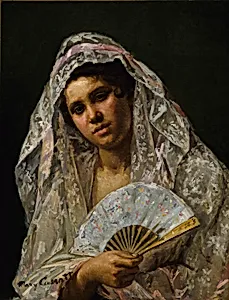
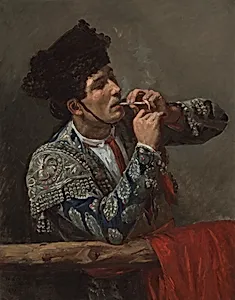
She traveled throughout Europe studying Correggio, Velázquez, and Rubens. Her early Salon submissions (1868-1876) showed technical skill but conventional academic style.
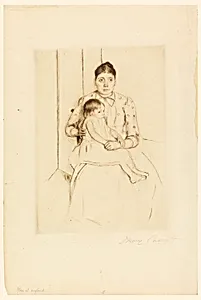
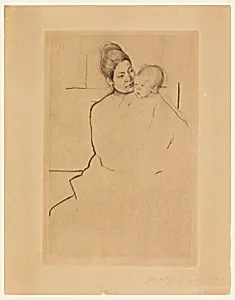
In 1877, Degas saw her Salon painting and invited her to exhibit with the Impressionists—she showed in four of their exhibitions (1879-1886). She developed her signature mother-and-child subjects while experimenting with Japanese-influenced printmaking.
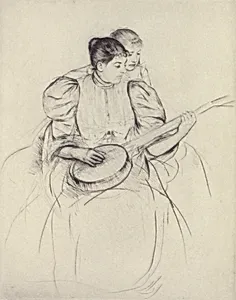
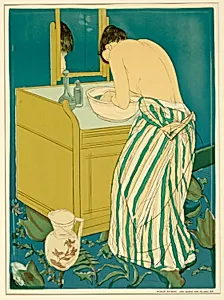
Her 1891 color prints, inspired by a Japanese exhibition, are considered masterpieces of the medium. She became an important advisor to American collectors, particularly Louisine Havemeyer, helping build collections that enriched U.S. museums.
Failing eyesight increasingly limited her work after 1900. She painted her last works around 1914 and was nearly blind by 1920. She received the Legion of Honor in 1904 but never achieved full recognition in America during her lifetime.
She died June 14, 1926, at Château de Beaufresne, France, having never married and having devoted her life entirely to art.
Biography length: ~580 words