1745–1830
Occupations
Giovanni Maria Cassini (1745–c. 1824) was an Italian painter active during the transition from the 18th to the 19th century, recognized as a notable figure in Neoclassicism. Born in Italy, Cassini's life and career unfolded amid the waning years of the Enlightenment and the rise of Romantic influences, though his work adhered firmly to neoclassical ideals of clarity, balance, and classical antiquity. Art historical databases such as WikiArt and MutualArt document his contributions, highlighting his role in a movement that sought to revive the grandeur of ancient Greek and Roman art through precise draftsmanship and idealized forms.
Little is known about Cassini's early life or formal training, as biographical details remain scarce in available sources. No specific teachers, mentors, or art schools are recorded, suggesting his development occurred within the broader Italian artistic milieu of the period, where neoclassical principles dominated academies in cities like Rome and Florence. Cassini worked in the Neoclassicism tradition, producing paintings that emphasized harmonious compositions, mythological subjects, and architectural precision, reflecting the era's fascination with rational order and historical revival.
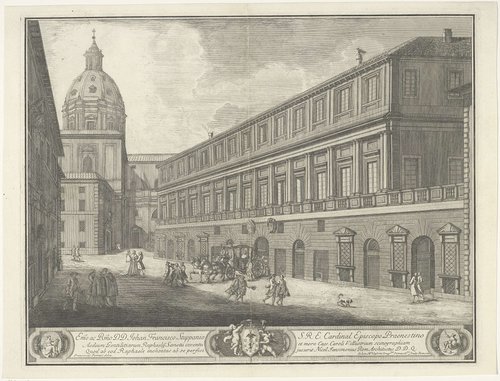
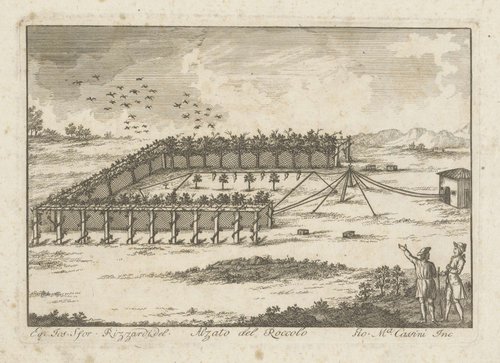
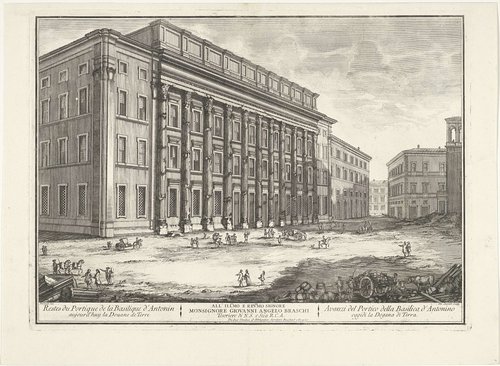
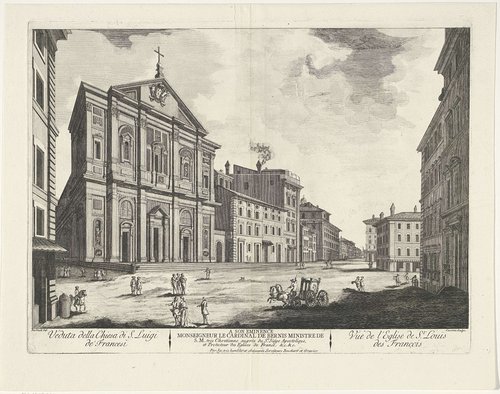
Among his known works, Cassini created at least three pieces cataloged on WikiArt, with additional examples appearing in auction records on platforms like Invaluable and MutualArt. These include neoclassical compositions that showcase his skill in rendering figures and landscapes with a cool, intellectual restraint—hallmarks of the style popularized by contemporaries like Antonio Canova and Jacques-Louis David. While specific titles and dates for major works are not extensively detailed in primary sources, his output contributed to the decorative and historical painting traditions valued in Italian collections.
Cassini's legacy endures through his preserved artworks in museum collections—four of which are noted in certain virtual archives—and his representation in international art markets. Though not as prominent as leading neoclassicists, his pieces continue to attract collectors for their refined execution and embodiment of an artistic ethos that bridged Baroque exuberance and modern restraint. Today, platforms like WikiArt preserve his contributions, offering glimpses into an artist whose subtle influence persists in studies of Italian Neoclassicism. (312 words)
Wikidata (CC0); Getty ULAN (ODC-By)
All 4 artworks loaded