Ctrl K
1817–1892
Occupations
Pierre Jean Edmond Castan (1817–1892) was a French Academic painter and engraver who specialized in genre scenes depicting the daily lives of working families in nineteenth-century France. Born in Toulouse in 1817, Castan studied under prominent academic masters including Michel Martin Drolling and François Gérard before establishing himself in Paris, where he exhibited regularly at the Salon from 1844 to 1874. His realist approach to genre painting combined academic technique with sympathetic observation of rural and working-class life, creating compositions that documented French society with both artistic skill and social awareness. Castan's artistic production encompassed genre painting, landscape, portraiture, and engraving, demonstrating versatility across subjects and media. His genre scenes particularly emphasized family relationships and domestic labor, portraying subjects such as mothers with children collecting eggs, families awaiting fishermen's return, and rural workers with dignity and psychological depth. His work exemplified the nineteenth-century academic realist tradition that sought to elevate everyday subjects through careful composition, refined technique, and humanistic observation. Today his works appear regularly at auction, with major examples held in museum collections and private holdings across Europe and North America.
Pierre Jean Edmond Castan was born in Toulouse in 1817, during the Bourbon Restoration period when French artistic life was recovering from revolutionary upheavals and re-establishing academic institutions and practices.
Castan received his artistic training from two distinguished academic painters. Michel Martin Drolling (1786–1851), known for his genre scenes and religious paintings, provided instruction in composition and the careful observation of everyday life. François Gérard (1770–1837), one of the most celebrated portrait painters of the Napoleonic and Restoration periods, taught Castan the refined technique and psychological insight required for successful portraiture.
This dual training under masters specializing in both genre painting and portraiture equipped Castan with skills across multiple artistic domains, preparing him for the diverse production that would characterize his career.
Following his studies, Castan established himself in Paris, the center of French artistic life and the essential location for any artist seeking national recognition through Salon exhibitions and critical attention.
In 1844, Castan began exhibiting at the Paris Salon, the official exhibition that remained the primary venue for artistic success and patronage in nineteenth-century France. He continued exhibiting regularly until 1874, maintaining a thirty-year presence at France's most important artistic institution.
Castan's Salon submissions emphasized genre scenes depicting working-class and rural French families. His subjects included domestic activities—mothers and children collecting eggs, families engaged in household tasks—and moments of anticipation such as families waiting for fishermen to return from the sea.
His approach combined Academic painting's refined technique with Realist movement's interest in contemporary social subjects. Unlike purely documentary realism, Castan's work maintained compositional sophistication and technical finish valued by Salon juries and bourgeois collectors while portraying working-class subjects with sympathy and dignity.
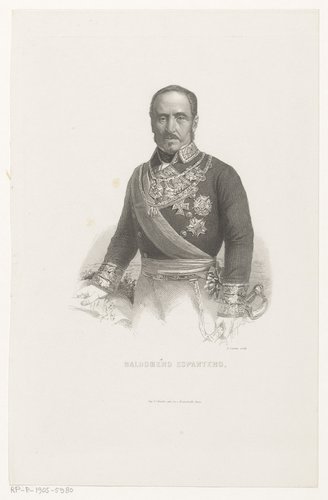
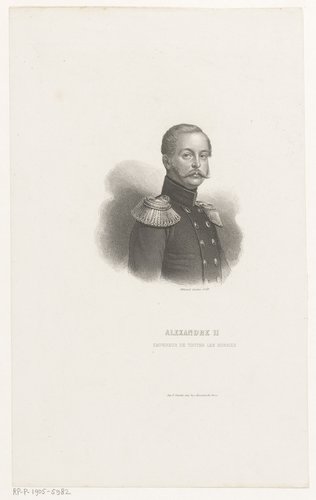
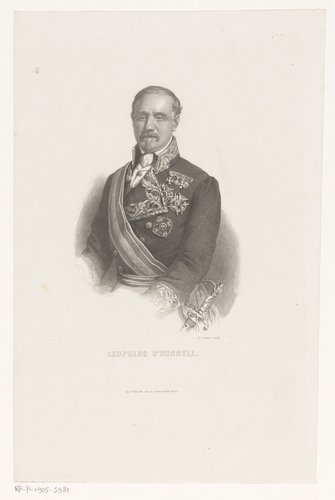
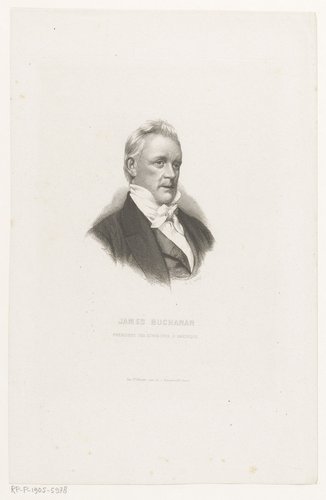
Beyond genre painting, Castan produced landscapes, portraits, and engravings, demonstrating professional versatility. His ability to work across subjects and media enhanced his commercial success and critical reputation.
After ceasing Salon exhibitions in 1874, Castan continued artistic production for nearly two more decades. This period coincided with significant transformations in French art as Impressionism and other avant-garde movements challenged Academic dominance, yet Castan maintained his commitment to traditional technique and subject matter.
Castan died in 1892, having witnessed French art's transformation from Academic hegemony to modernist plurality. His legacy rests in his genre paintings, which document nineteenth-century French working-class life with both artistic quality and historical value, preserving visual records of domestic and rural labor practices, family relationships, and social conditions during France's industrialization.
Artheon Research Team
Last updated: 2025-11-09
Biography length: ~487 words
Wikidata (CC0); Getty ULAN (ODC-By)