Ctrl K
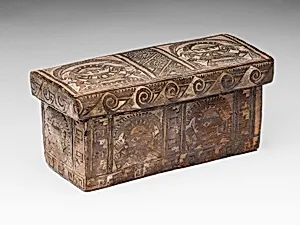
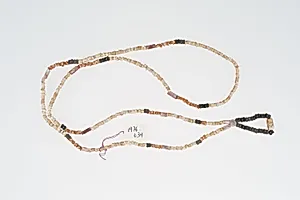
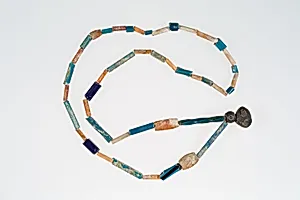
The Chancay were a pre-Columbian culture that flourished along the central coast of Peru, in the valleys of the Huaura, Chancay, Chillón, and surrounding rivers, from approximately 1000 to 1470 CE. Emerging after the decline of the Wari civilization, the Chancay developed a distinctive artistic identity that set them apart from their Andean contemporaries, one defined above all by extraordinary mastery of textile production. Their culture was gradually absorbed as the Inca Empire expanded southward along the coast during the mid-fifteenth century, but the objects they left behind — excavated primarily from extensive coastal cemeteries — constitute one of the richest bodies of pre-Columbian material culture in South America.
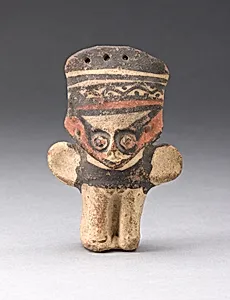
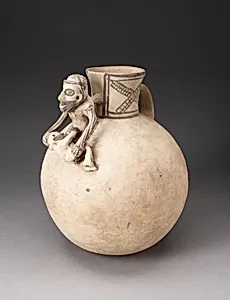
Chancay ceramics are immediately recognizable by their "Black on White" style: vessels formed from gritty clay in molds, left with an unpolished matte surface, and coated with a white slip onto which bold geometric and figural designs were painted in black or dark brown. Among the most compelling ceramic forms are the cuchimilcos — small standing human figures with wide, staring black-painted eyes, prominent jaws, and arms raised with palms facing outward. Though their precise ritual function is uncertain, these figures are thought to have served as guardians or companions placed within tombs. Larger hollow female figurines, similarly decorated with geometric ornament, were also produced as funerary goods.
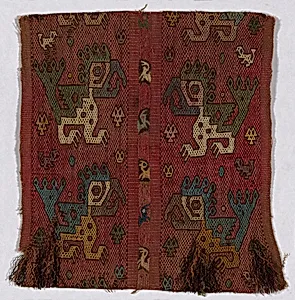
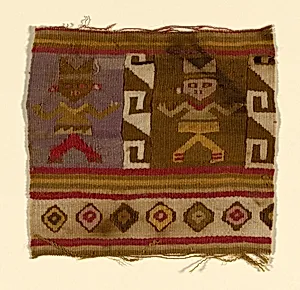
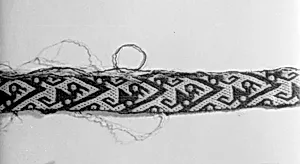
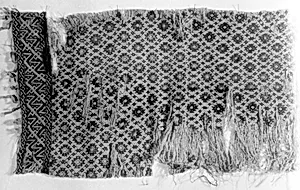
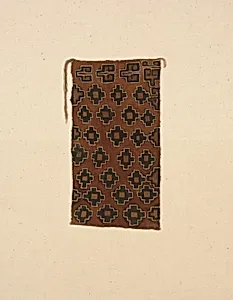
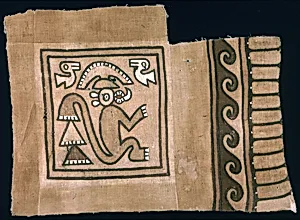
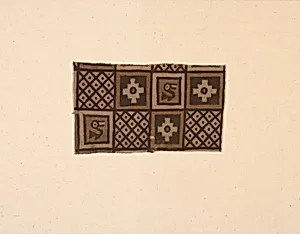
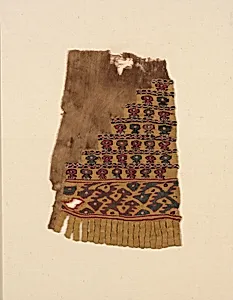
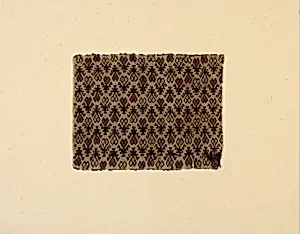
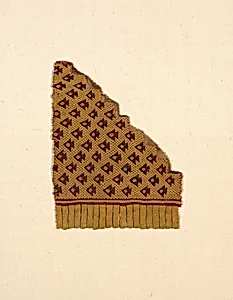
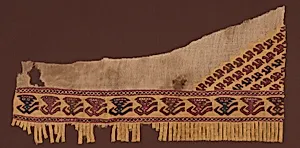
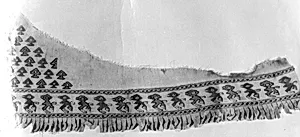
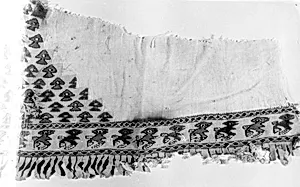
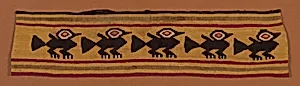
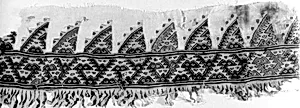
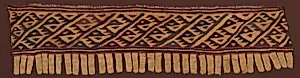
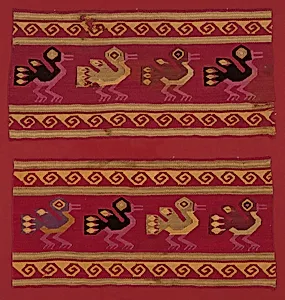
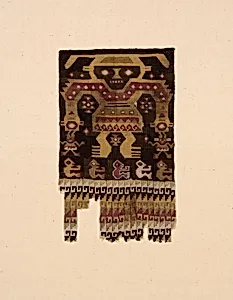
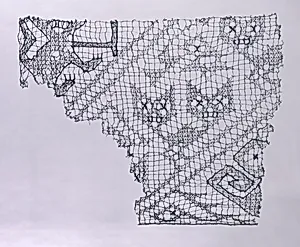
The Chancay's greatest artistic achievement was their weaving. Working in cotton and camelid fiber, they developed a remarkable range of techniques including plain weave, brocade, embroidery, and a distinctive open gauze weave in which spaces were deliberately left in the cloth as part of the decorative design. Painted textiles, decorated directly on the woven surface with representations of fish, felines, birds, monkeys, and geometric motifs in yellows, reds, blues, greens, and browns, demonstrate a sophisticated visual language. Large-scale figurative textiles — sometimes called "burial dolls" — were constructed from cloth and stuffed, serving ceremonial functions in funerary contexts.
Today, Chancay textiles and ceramics are held in major museum collections across the Americas and Europe, including the Museo Larco in Lima and numerous North American institutions. They remain primary evidence for understanding the artistic, spiritual, and social life of coastal Andean peoples during the Late Intermediate Period, a crucial era in Peruvian prehistory that preceded Inca imperial consolidation.