Ctrl K
1880–1995
**Charles Caseau** (1880–?), an American artist born in Boston, Massachusetts, remains a figure whose early life and artistic training are not well documented. Known primarily for his work in illustration, painting, and design, Caseau emerged during the Great Depression era, contributing significantly to federal art initiatives that celebrated everyday American craftsmanship.
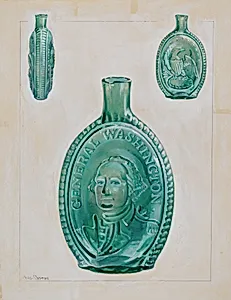
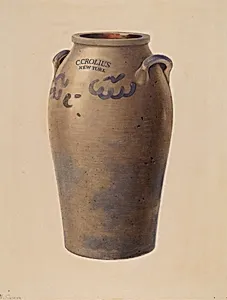
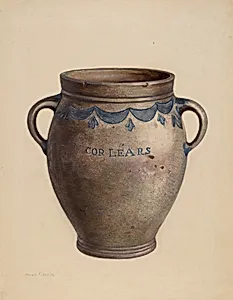
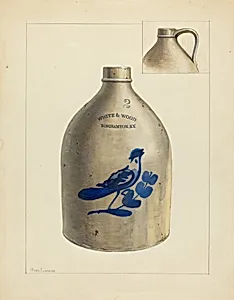
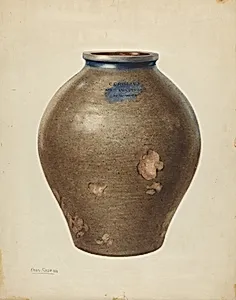
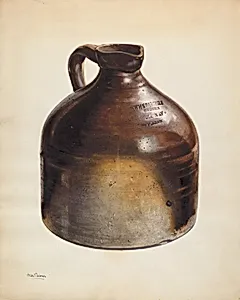
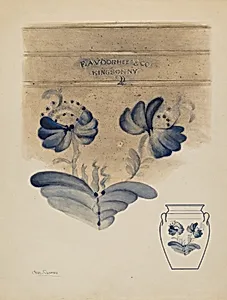
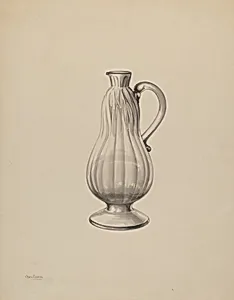
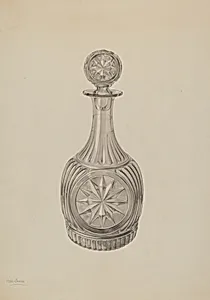
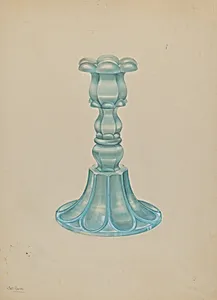
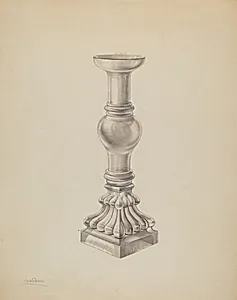
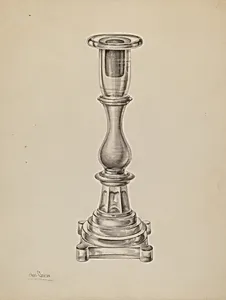
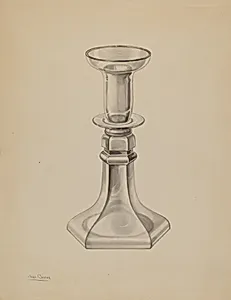
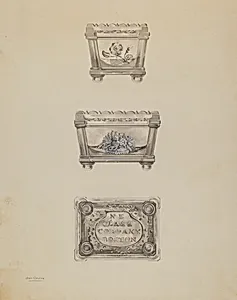
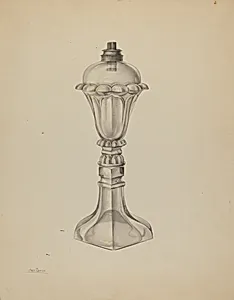
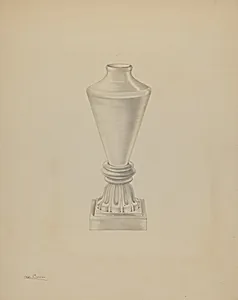
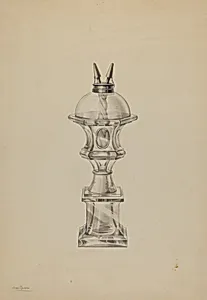
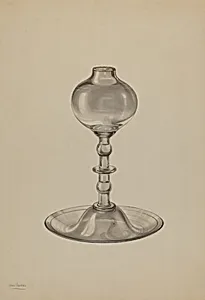
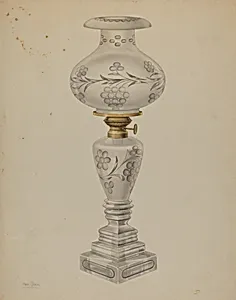
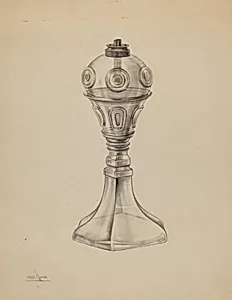
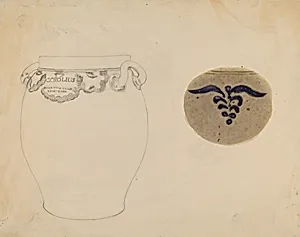
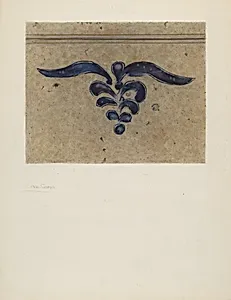
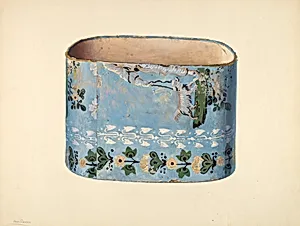
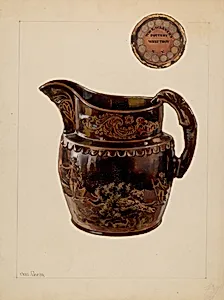
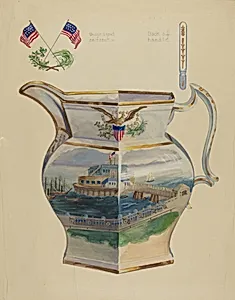
Caseau's most prominent body of work stems from his participation in the Index of American Design (IAD), a New Deal program under the Works Progress Administration's Federal Art Project (1935–1942). This ambitious endeavor commissioned artists to document regional folk art and design traditions through precise, colorful renderings of utilitarian objects. Caseau produced over 120 such pieces, now housed in the National Gallery of Art, capturing the textures and forms of pottery, glassware, and household items with meticulous watercolor, gouache, graphite, and occasionally colored pencil on paperboard. Notable examples include *Stoneware Crock* (c. 1940), *Jug* (c. 1940), *Bandbox* (c. 1938), *Crock* (c. 1938), *Candlestick* (c. 1938), and *Flask* (c. 1940), alongside depictions of churns, cruets, decanters, and pitchers from the mid-to-late 1930s. These works emphasize shape, surface texture, and subtle ornamentation over embellishment, reflecting the IAD's goal to archive "ordinary" American material culture.
Working in a realist style aligned with the IAD's documentary ethos, Caseau rendered objects with photographic accuracy yet infused them with artistic vitality through vibrant hues and dynamic shading. His approach bridged fine art and design documentation, highlighting regional pottery traditions like stoneware crocks and Pitkin-type flasks. Beyond the IAD, sparse evidence suggests versatility, including a watercolor landscape titled *A Summer Stroll* (undated), indicating possible ties to New York and Massachusetts scenes.
Caseau's legacy endures through the NGA's extensive collection, which preserves his contributions to American design history. By visually cataloging folk objects at risk of obsolescence, his renderings offer invaluable insight into pre-industrial craftsmanship, educating generations on the aesthetic merit of everyday artifacts. Though his personal story fades into obscurity, Caseau's diligent output underscores the transformative role of federal patronage in elevating anonymous design to national treasure.