Ctrl K
1855
Charles Henning remains one of the more elusive figures in the historical record, and the details of his life and training have not been firmly established by scholars. The works attributed to him suggest a practitioner with some formal grounding in draftsmanship and composition, yet the circumstances of his education and the masters or institutions that shaped him are not currently documented.
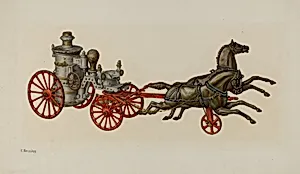
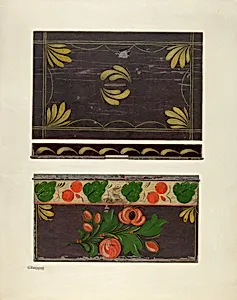
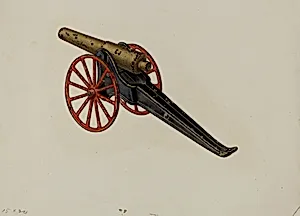
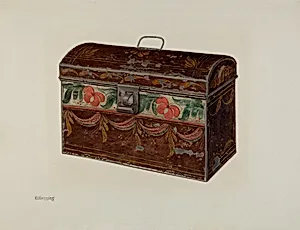
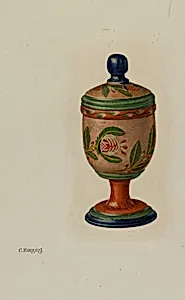
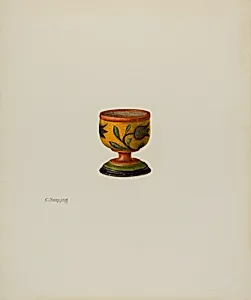
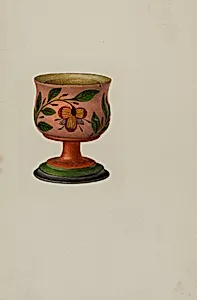
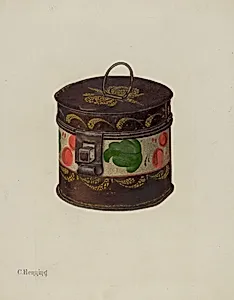
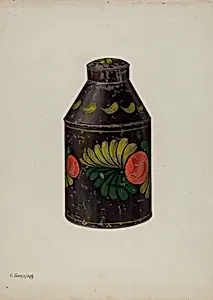
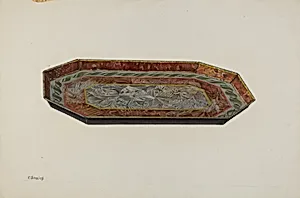
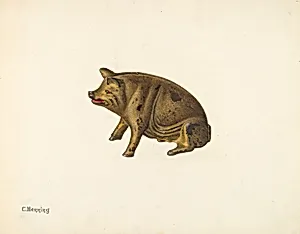
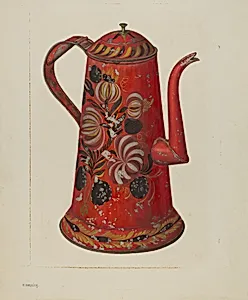
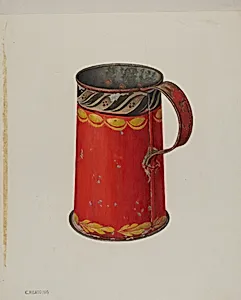
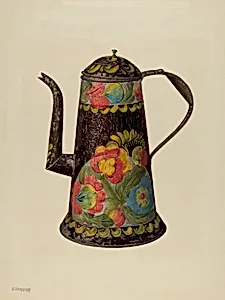
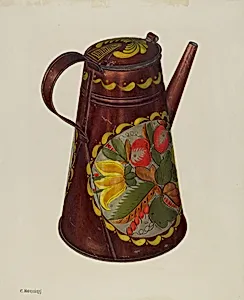
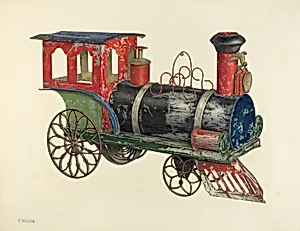
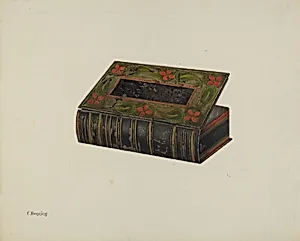
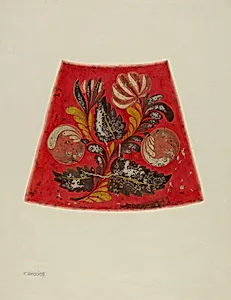
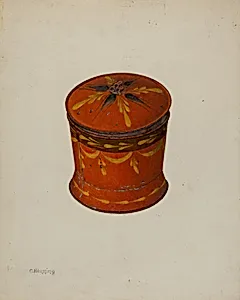
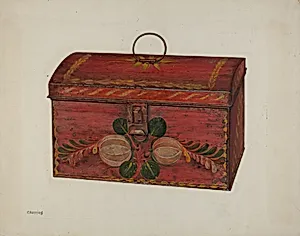
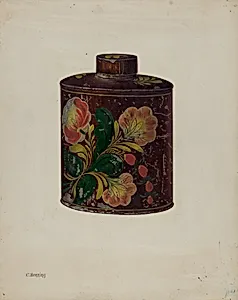
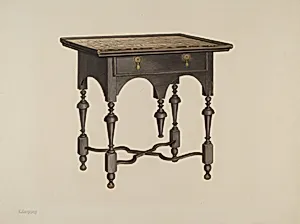
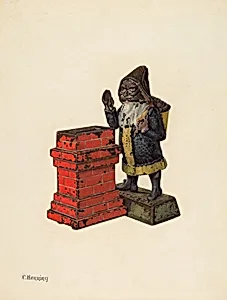
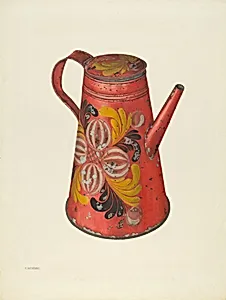
What survives in collections points to an artist engaged with the visual conventions of his period, though pinpointing a specific school or movement without reliable biographical data would risk misrepresentation. The body of work associated with Henning's name offers art historians tantalizing evidence of his output but insufficient context to reconstruct a full artistic identity.
Henning's legacy is therefore necessarily modest in the scholarly literature. He stands as one of many artists whose contributions to the historical record exist primarily through their objects rather than through biography, correspondence, or critical reception. Future archival research may yet bring greater clarity to his place in art history.