Ctrl K
1823–1891
Charles Samuel Keene (1823–1891) was born on 10 August 1823 in Hornsey, Middlesex, the son of solicitor Samuel Browne Keene and Mary Sparrow. Following his father's early death, young Charles was educated at Ipswich School until age sixteen, then briefly articled to a London solicitor before transferring to the office of architect William Pilkington. Finding these pursuits uncongenial, he apprenticed for five years from 1842 to the wood-engravers Whymper Brothers, where he honed his skills in illustration. He supplemented this practical training by compulsively attending the Clipstone Street Artists Society (later the Langham studios) from 1848 into the 1860s, immersing himself in life drawing among peers.
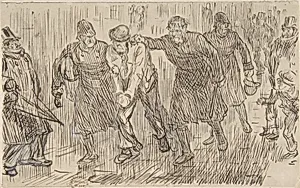
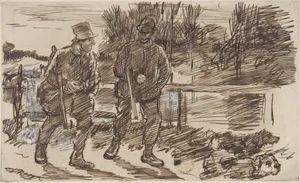
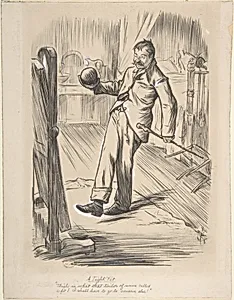
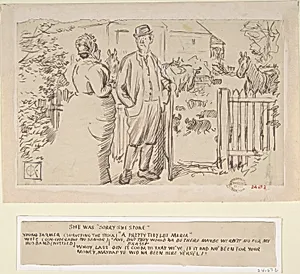
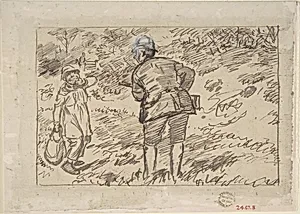
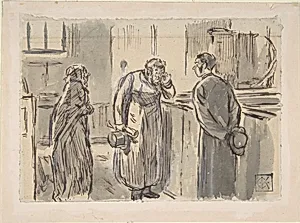
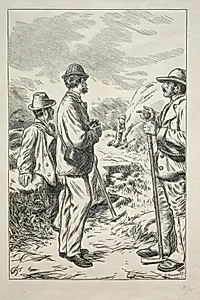
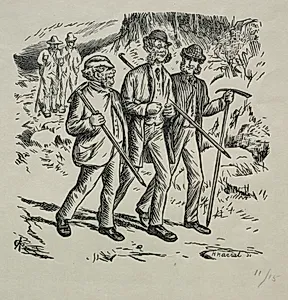
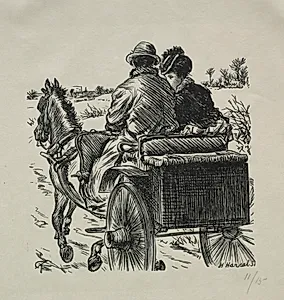
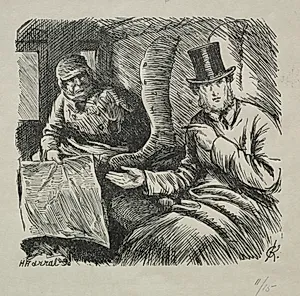
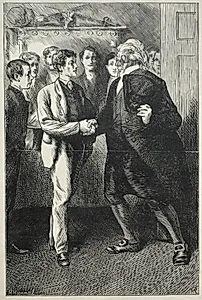
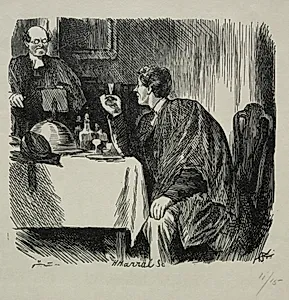
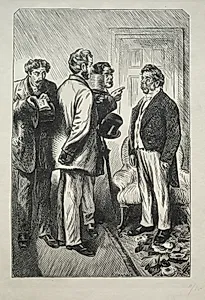
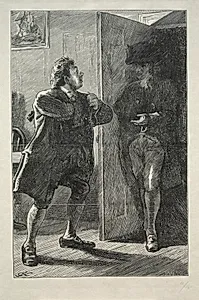
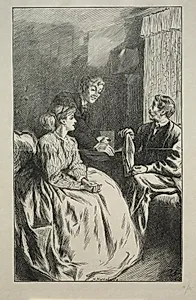
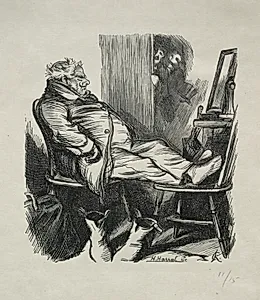
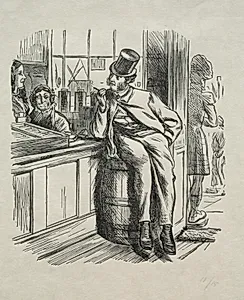
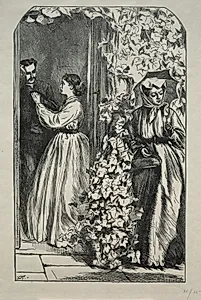
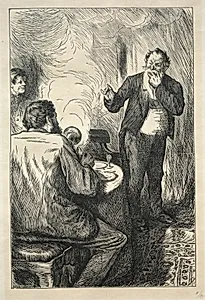
Keene's career ignited with his frontispiece for *The Adventures of Dick Boldhero* in 1842, followed by contributions to the *Illustrated London News*. His breakthrough came with *Punch*, debuting anonymously in December 1851 and securing a permanent seat at the table around 1860, especially after John Leech's death in 1864 elevated him to chief social cartoonist. He illustrated Charles Reade's *A Good Fight* (later *The Cloister and the Hearth*) and George Meredith's *Evan Harrington* for *Once a Week* in 1859. A pivotal 1872 meeting with Joseph Crawhall inspired over 250 *Punch* drawings capturing humorous everyday incidents. In 1881, *Our People*, a collection of his *Punch* works, cemented his reputation. Keene also produced around 50 etchings, including frontispieces for *Punch* pocket-books, and watercolors of historical and nautical subjects.
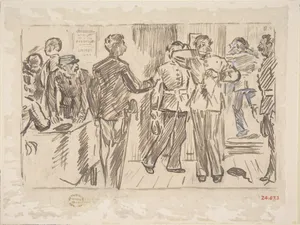
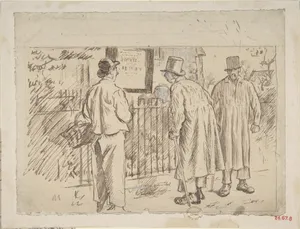
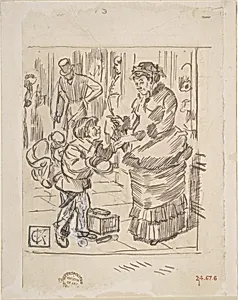
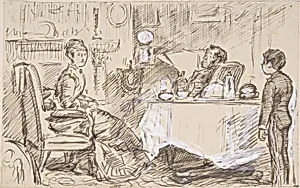
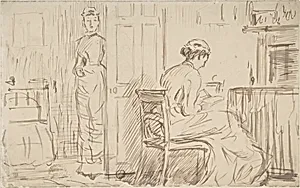
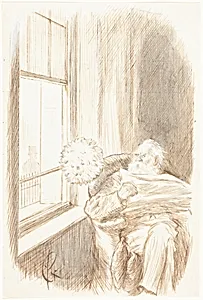
Renowned for black-and-white mastery in pen, ink, and etching, Keene drew directly from life in "sight size"—rendering subjects as seen from afar without idealization—infusing urban street scenes, lower- and middle-class characters, and gentle satire with subtle humor and romance. Unconventional and observant, he avoided clichés, earning acclaim from artists like James McNeill Whistler, Walter Sickert, Adolph von Menzel, and Félix Bracquemond, who ranked his etchings among the finest modern examples.
Though an "artist's artist" rather than a public favorite, Keene's legacy endures as England's preeminent black-and-white craftsman. Unmarried and reclusive in later years at 112 Hammersmith Road, he died on 4 January 1891, leaving a fortune and a vast oeuvre influencing draughtsmen. His works, including studies like *Seated Girl* (1885) and countless *Punch* vignettes, populate collections worldwide, celebrating the poetry in ordinary life.