Ctrl K
1644
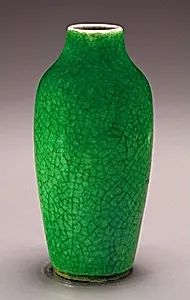
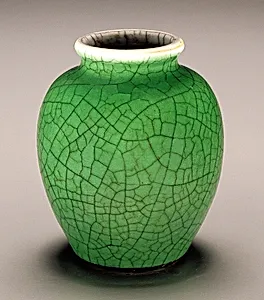
"Chinese Qing Dynasty" serves as a collective attribution in museum collections for anonymous artworks produced during China's Qing era (1644–1912), encompassing the works of imperial workshop artisans rather than a single individual. These creators operated primarily from the imperial kilns at Jingdezhen, where potters, painters, and enamellers collaborated under strict court oversight, though specific training lineages for anonymous makers remain undocumented. The Qing period marked a pinnacle of ceramic innovation, blending traditional Chinese techniques with occasional European influences in enameling and form.
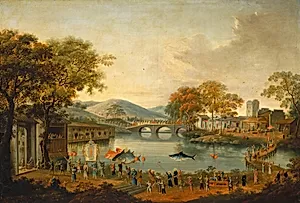
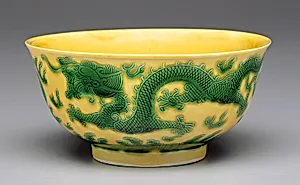
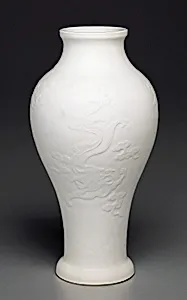
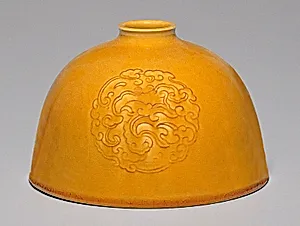
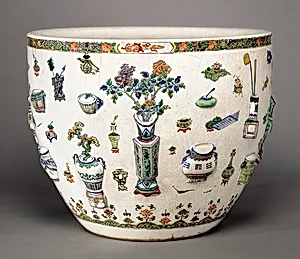
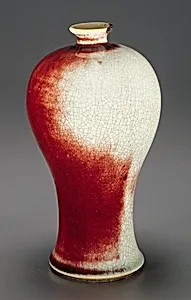
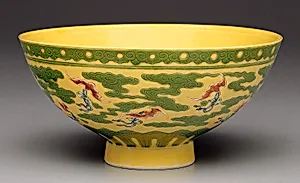
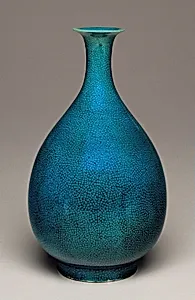
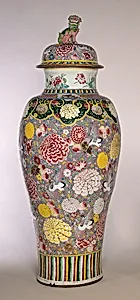
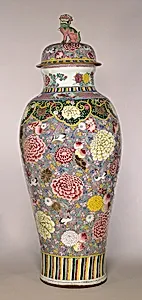
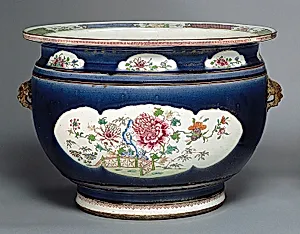
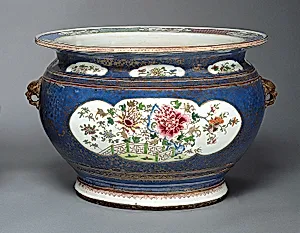
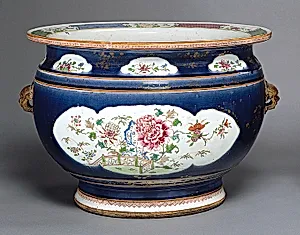
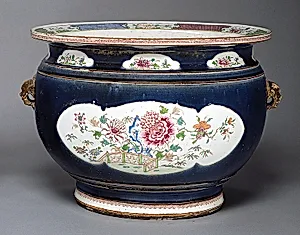
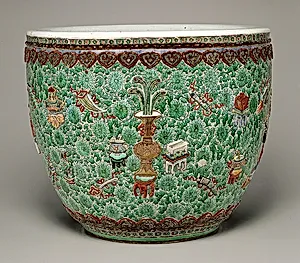
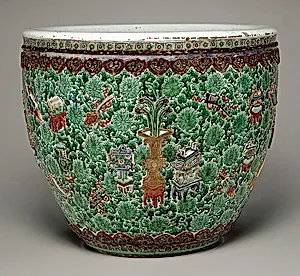
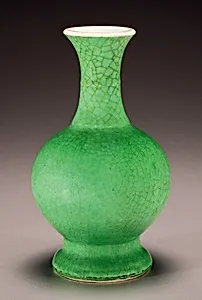
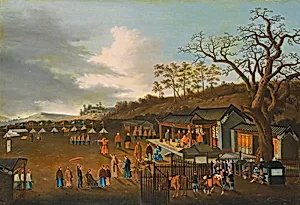
Artistically, Qing works exemplify the Orthodox school tradition, reviving Ming dynasty literati ideals while embracing opulent court styles characterized by meticulous brushwork and vibrant palettes. Porcelain dominated, featuring signature enamel families: famille verte with bold greens and overglaze colors; famille rose, introduced mid-18th century for its delicate pinks and golds; and famille jaune with custard-yellow grounds. Paintings, often on silk or cotton, depicted landscapes, processions, and court scenes with fine ink lines and subtle shading. The National Gallery of Art holds over 220 such pieces, including the monumental *Large Fish Bowl* (mid-19th century, underglaze blue and famille verte enamels), *Baluster Vase* (late 18th century), and narrative oils like *Archery Contest* (19th century).
Qing artisans' legacy endures in the global canon of decorative arts, their technically virtuoso porcelains fueling 18th-19th century European chinoiserie and filling Western collections. Exported widely, these objects symbolized imperial luxury and technical mastery, influencing modern ceramics while preserving Confucian harmony in floral motifs, mythical beasts, and auspicious symbols. Today, they educate on Qing cosmopolitanism, bridging East-West aesthetics amid dynastic splendor.