Ctrl K
1855
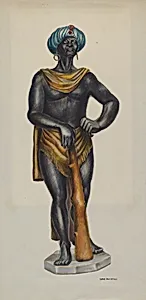
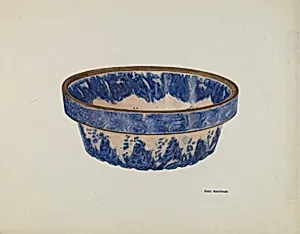
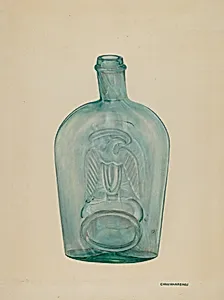
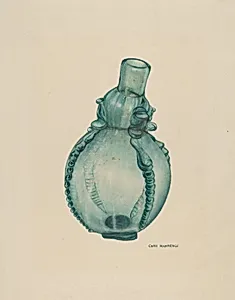
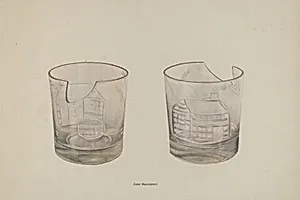
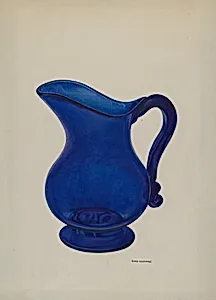
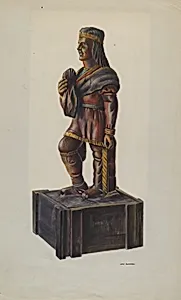
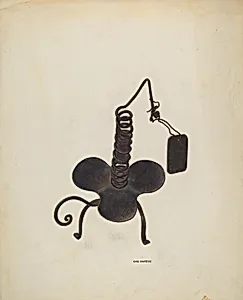
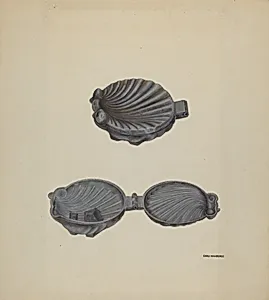
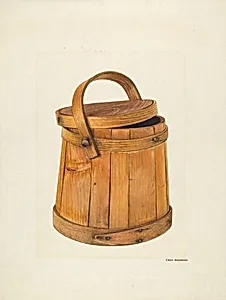
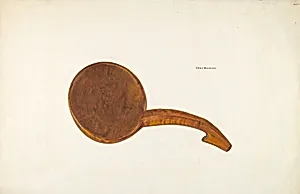
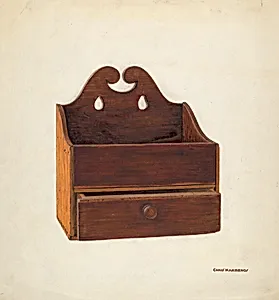
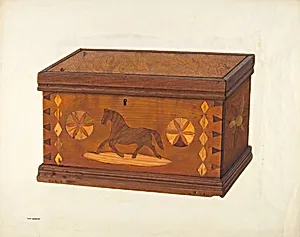
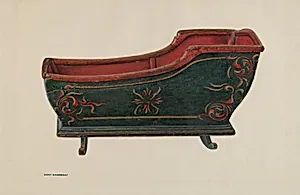
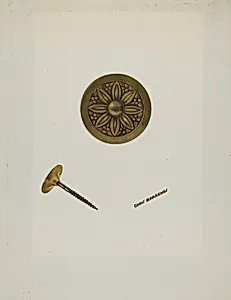
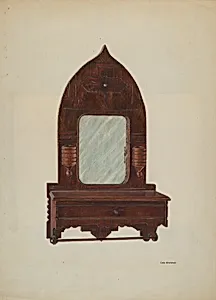
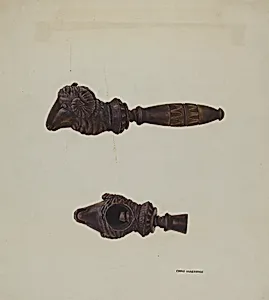
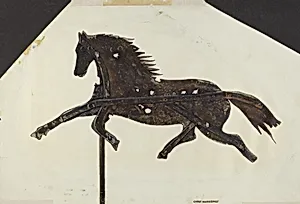
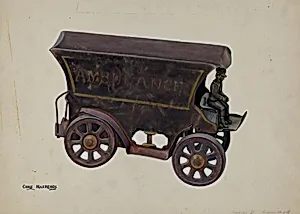
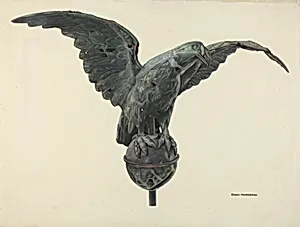
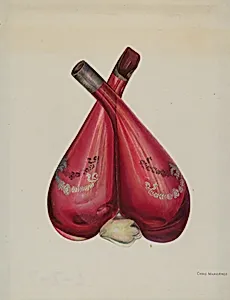
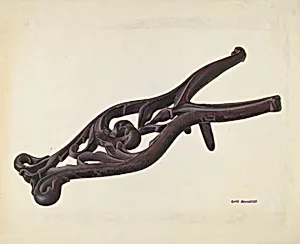
Chris Makrenos was an American artist active in the mid-twentieth century who contributed a substantial body of work to the Index of American Design, the New Deal-era federal project that documented American folk art and decorative culture through meticulous watercolor illustration. His works are held in the National Gallery of Art in Washington, D.C., and span a wide range of subjects drawn from American vernacular traditions: toy banks, wooden decoys, cigar store Indians, ceramic vessels, doll carts, and carved folk sculptures such as Crowing Cock and Flag-pole Finial Pigeon. Working primarily in watercolor, graphite, gouache, and pen and ink on paper and paperboard, Makrenos demonstrated exceptional skill in rendering three-dimensional form, surface texture, and material character.
The Index of American Design, active from 1935 to 1942 under the Works Progress Administration's Federal Art Project, employed approximately one thousand artists to create visual records of American objects from the colonial period through the nineteenth century. The project was animated by a conviction that American folk and decorative arts deserved the same scholarly attention as European fine art traditions, and the watercolorists who participated in it were expected to function as both artists and visual historians. Makrenos met this dual demand with evident commitment: his renderings of folk toys, carved figures, and domestic wares are distinguished by their precision and their sensitivity to the individual character of each object.
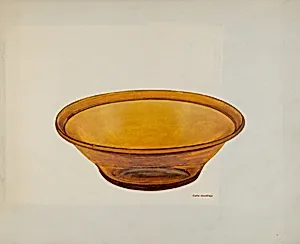
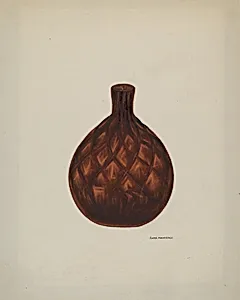
The range of objects Makrenos documented — from cast iron toy banks and amber pans to vinegar and oil bottles and parlor stereoscopes — reflects the breadth of the Index's ambitions and the curiosity of the artists who carried it out. His works now form part of the National Gallery's collection of nearly eighteen thousand Index watercolors, a resource that continues to serve researchers, historians, and designers studying American material culture. Makrenos's contributions stand as a testament to the quiet, skilled labor that made the Index one of the most remarkable archival achievements in American cultural history.