Ctrl K
1502–1555
Christian Egenolff (1502–1555) was one of the most important and influential printers of sixteenth-century Germany, a figure whose significance extends from the history of the book to the visual arts of the early modern period. Born in Hadamar, he learned the printing trade before establishing himself in Frankfurt am Main, where he would build a publishing house of lasting consequence.
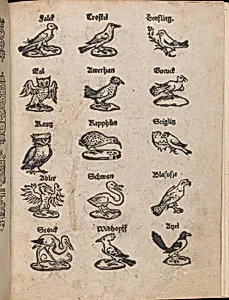
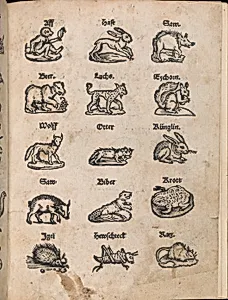
Egenolff was a pioneer in multiple respects. He was among the first printers to produce books with moveable type in Frankfurt, and his press became renowned for its typographical innovation and the quality of its illustrated output. He published works across an extraordinary range of subjects — from music and medicine to vernacular literature and Protestant theology — and his publications were distinguished by the woodcut illustrations that accompanied the text. These illustrations, produced by skilled craftsmen working under his direction, represent an important chapter in German graphic art of the Reformation era.
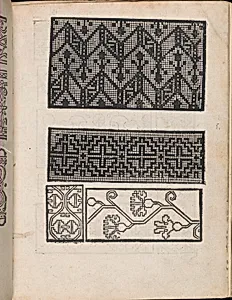
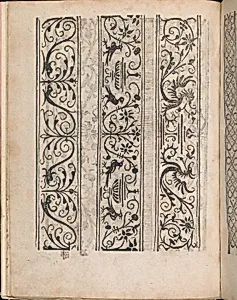
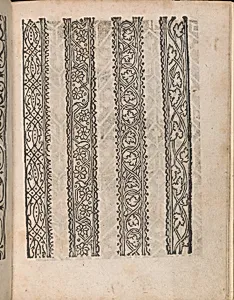
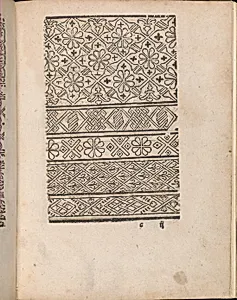
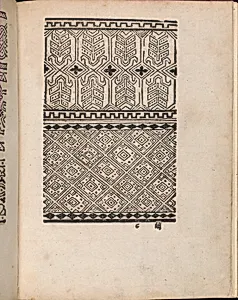
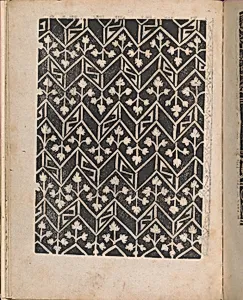
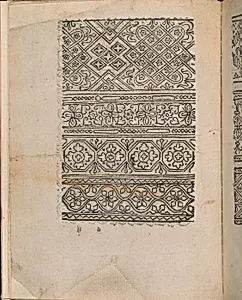
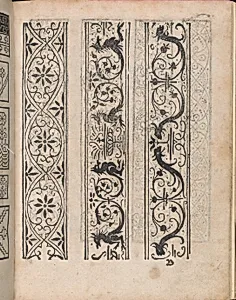
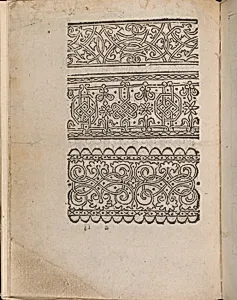
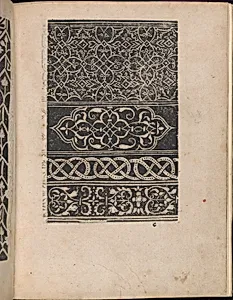
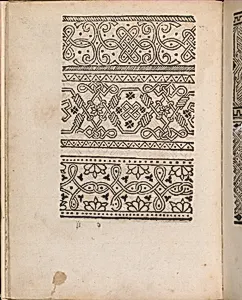
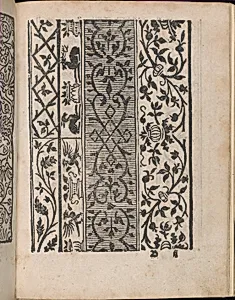
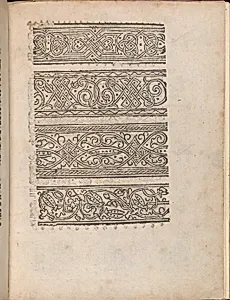
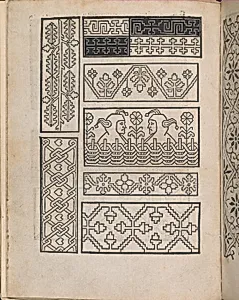
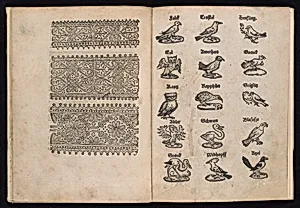
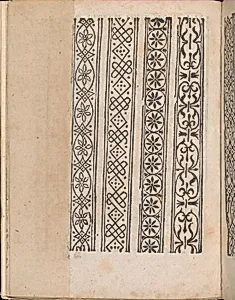
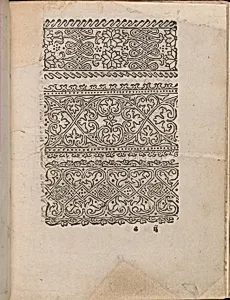
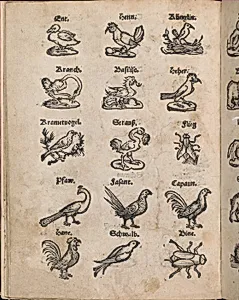
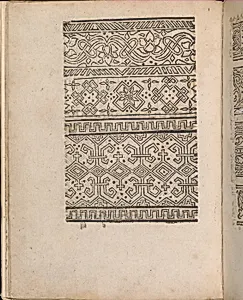
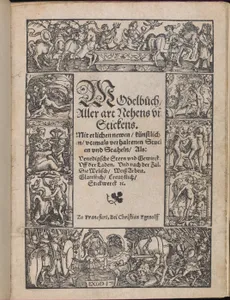
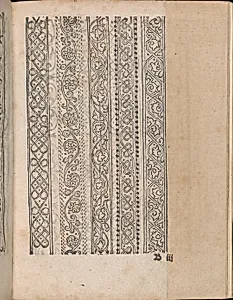
His press became particularly noted for its music printing, and he held a privilege for printing music in the Holy Roman Empire for a time. He also published practical manuals, herbals, and books of emblems and ornament, which disseminated visual knowledge across Europe and influenced artists and craftsmen for generations. His famous book of typefaces and ornaments shaped the graphic vocabulary of contemporaneous print culture.
Egenolff's legacy lies at the intersection of visual art and the early history of print. His press helped democratize knowledge and image in an era of extraordinary cultural ferment, and the illustrated books he produced remain valued documents of Renaissance German culture. His Frankfurt printing house continued its work after his death, testament to the institution he had built.