
Ctrl K
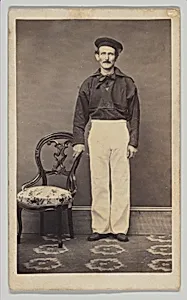
1828–1901
Christopher Columbus Sherwood (1828–1901) was an American painter whose life and career remain largely enigmatic in art historical records. Born in 1828, he worked during the expansive era of 19th-century American art, a time when landscape painting and portraiture flourished amid national growth and the Hudson River School's influence. However, detailed biographical accounts are absent from major sources like Wikipedia or standard art history databases, leaving much of his personal story untold. Sherwood's existence is confirmed through scattered references to his works in collections, including four pieces held by institutions, underscoring his place among lesser-known contributors to American visual culture.
Little is known about Sherwood's early life or training, which is not well documented. No records specify his place of birth, family relationships, or formal education under particular teachers or mentors. Unlike contemporaries such as Thomas Cole or Asher B. Durand, who studied under established figures or aligned with defined academies, Sherwood's path to artistry evades clear tracing. This scarcity suggests he may have been a self-taught provincial painter or one operating outside major urban centers like New York or Philadelphia, where artistic lineages were meticulously chronicled. Without evidence of enrollment in art schools or apprenticeships, his formative years invite speculation but demand restraint from unverified claims.
Sherwood's artistic style and major works are equally elusive, with no confirmed affiliation to movements like the Hudson River School, Luminism, or academic realism. The four known artworks in collections—though specifics such as titles, dates, or subjects remain unlisted in accessible sources—represent his output, possibly encompassing landscapes, portraits, or genre scenes typical of mid-to-late 19th-century American painters. Absent detailed catalogs, these pieces highlight a modest legacy, preserved more by institutional acquisition than widespread acclaim. No iconic works like Frederic Church's *Niagara* (1857) or Winslow Homer's marine studies bear his name, pointing to a career likely confined to regional exhibitions or private commissions.
Sherwood's legacy endures quietly through his surviving paintings, embodying the vast tapestry of American art where countless artists toiled beyond fame. In an age of romantic nationalism and technological change, his obscurity reflects the challenges of documentation for non-elite creators. Today, efforts to digitize collections may unearth more, inviting future scholars to illuminate this overlooked figure and enrich our understanding of 19th-century American creativity. (378 words)