Ctrl K
1855
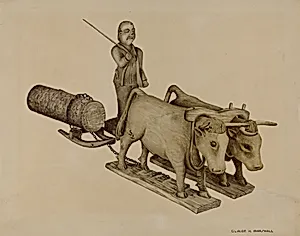
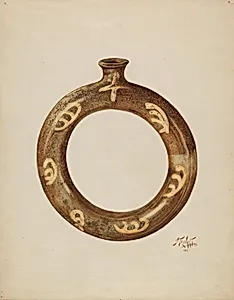
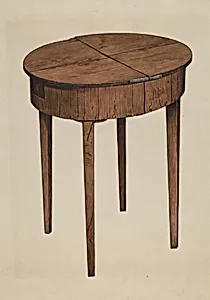
Claude Marshall was an American artist active around 1935, best known for his contributions to the Index of American Design, a project of the Works Progress Administration that documented historic American decorative arts through precise watercolor renderings. His works, created primarily between 1939 and 1940, capture everyday objects with meticulous attention to form, texture, and detail, reflecting the era’s interest in preserving cultural heritage amid the Great Depression.
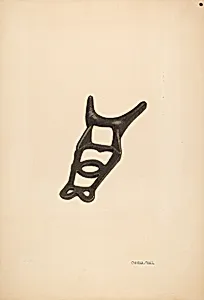
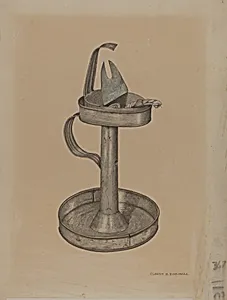
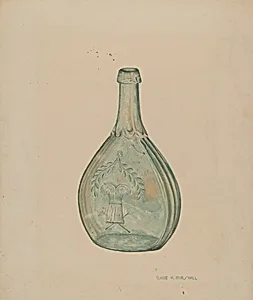
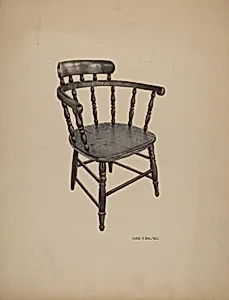
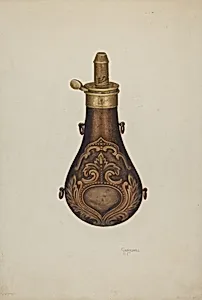
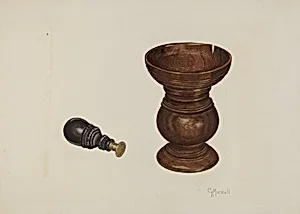
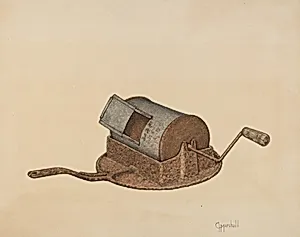
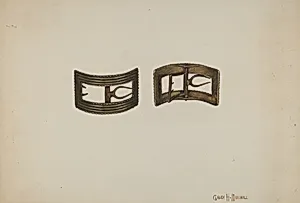
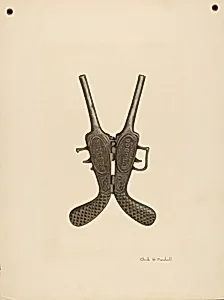
Marshall produced a series of watercolors and graphite drawings on paperboard for the Index, now held in the collection of the National Gallery of Art. Notable examples include *Bootjack* (c. 1939 and c. 1940), *Coffee Roaster* (c. 1939), *Betty Lamp and Stand* (c. 1940), *Glass Bottle* (c. 1940), *Sand Box and Seal* (c. 1939), and *Powder Flask* (c. 1939). These pieces often feature collaborative elements or precise technical descriptions, emphasizing accurate representation over artistic interpretation.
Little is documented about Marshall’s early life, formal training, or artistic influences. His output aligns with the documentary realism of the Index of American Design, a federal initiative that employed artists to record vernacular American objects such as furniture, tools, and household items.
Marshall’s legacy endures through the twelve works preserved at the National Gallery of Art, where they serve as valuable visual records of American material culture from the colonial and early republican periods. His contributions highlight the role of government-sponsored art projects in the 1930s in safeguarding national heritage for future generations.