Ctrl K
1837–1885
The Verrerie de Clichy, also known as the Clichy Glasshouse or Cristalleries de Clichy, was established in 1837 through the merger of local glassworks at Billancourt near Paris, under the direction of Rouyer and Maes. The firm relocated to Clichy-la-Garenne in 1839, where it initially produced utilitarian items like bottles and tableware before pivoting to luxury glass objects amid France's burgeoning industrial glass tradition. Operating until 1885, when it merged with the Cristallerie de Sèvres, Clichy exemplified the innovative spirit of 19th-century French glassmaking, rivaling contemporaries like Baccarat and Saint-Louis in technical prowess and aesthetic refinement.
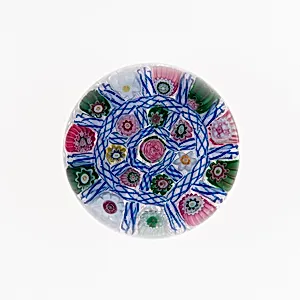
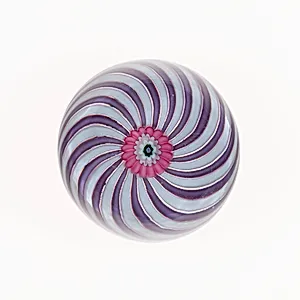
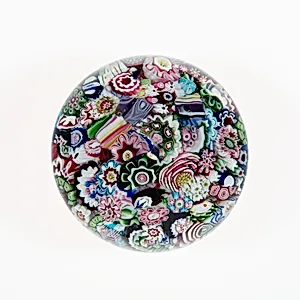
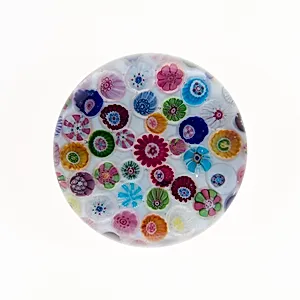
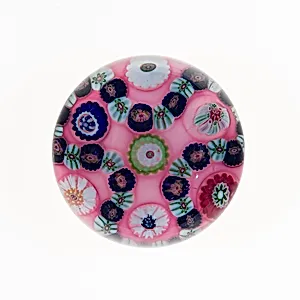
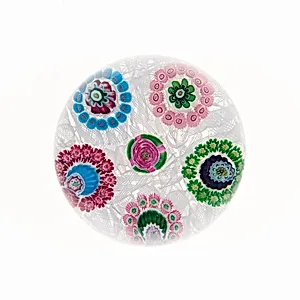
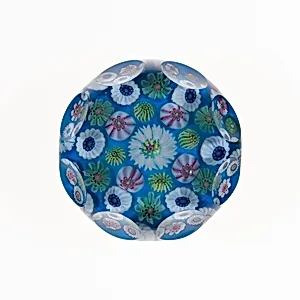
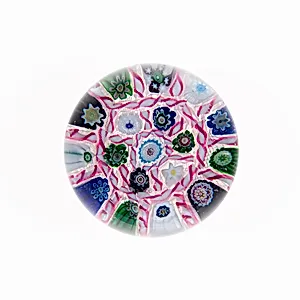
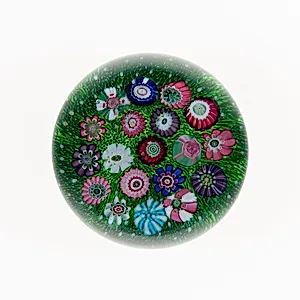
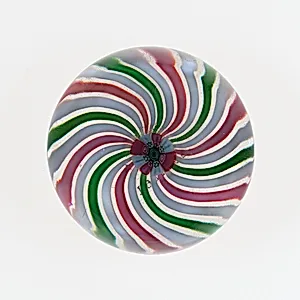
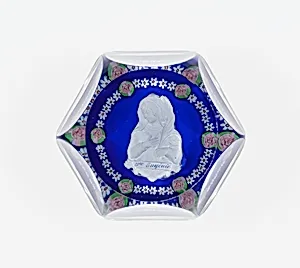
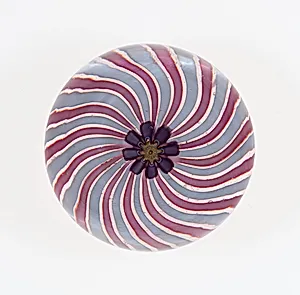
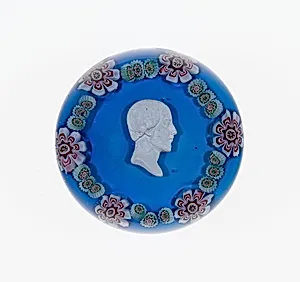
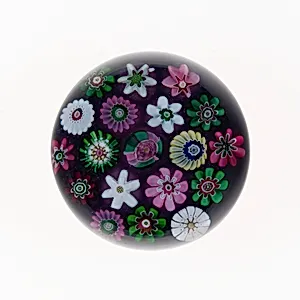
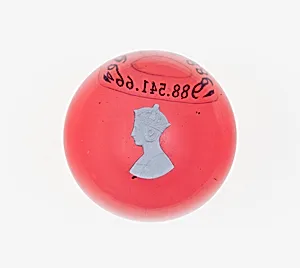
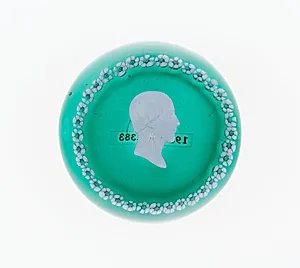
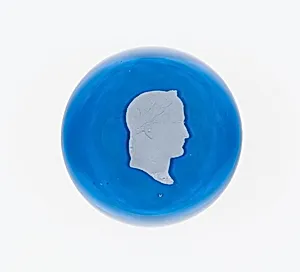
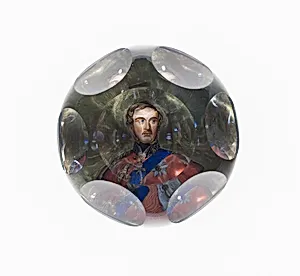
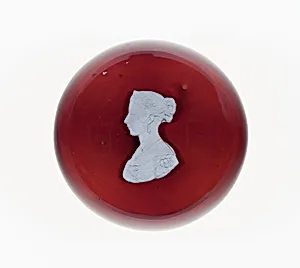
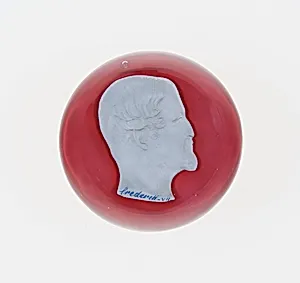
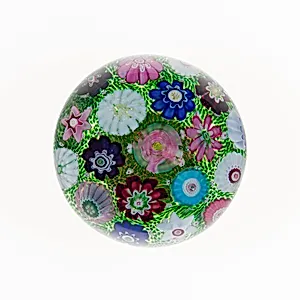
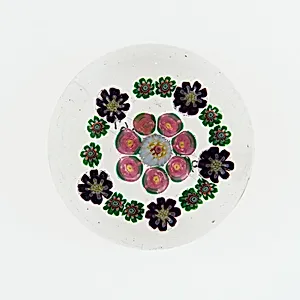
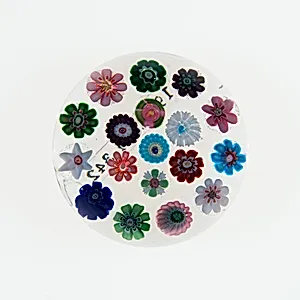
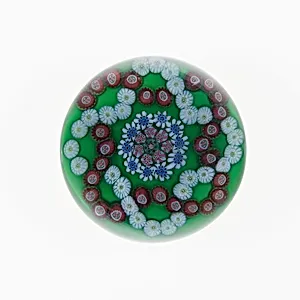
Clichy's signature contributions emerged in the classic paperweight era from the mid-1840s to the 1860s, with peak production between 1846 and 1857. The factory mastered millefiori techniques—creating "thousand flowers" patterns from cross-sectioned canes—as well as distinctive swirl (moucheté) designs and close concentric motifs featuring the iconic "Clichy rose," a delicate pink rose cane amid emerald-green rods. These paperweights, alongside perfume bottles, door knobs, and ornate chandeliers, showcased unparalleled glass clarity and vivid coloration, displayed at events like the 1853 New York Exhibition of the Industry of All Nations. Notable examples include swirl paperweights circa 1850 and millefiori pieces now held in collections such as the Art Institute of Chicago and the Smithsonian.
Though quality waned after 1870 amid economic pressures, Clichy's legacy endures as a cornerstone of French decorative arts, producing over two centuries' worth of admired works that capture the era's fusion of utility and opulence. Its paperweights remain collector favorites, embodying the short-lived golden age of the form and influencing global appreciation for intricate glass craftsmanship. With 204 known artworks in prominent collections, the Clichy Glasshouse stands as a testament to industrial artistry at its most poetic.