Ctrl K
1855
Cora Parker (1859–1944) was an American painter and educator born in Kentucky. She studied at the Cincinnati Art School and the Académie Julian in Paris, receiving tutelage from William Merritt Chase. This training shaped her painterly technique of focused brushstrokes that created softened, impressionistic effects.
Parker taught oil painting at the University of Kansas in Lawrence from 1887 to 1891 and became head of the teaching staff at the University of Nebraska in Lincoln in 1893, also serving as Dean of the Arts at the University of Kansas. Her style, closely aligned with Chase’s influence, appears in floral and garden scenes such as *Roses* (1899) and *Candlelight* (1889), as well as the pastel *Golden Hair*. She specialized in figures, still lifes, landscapes, and intimate interiors that conveyed spontaneity and mood. Financial pressures at the university led her to resign in 1899.
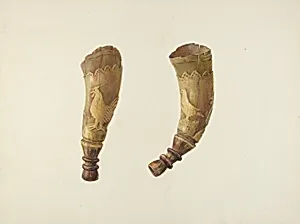
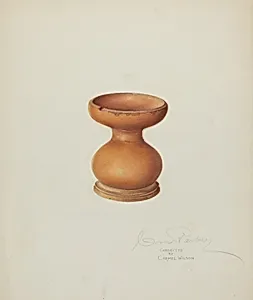
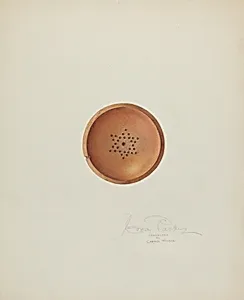
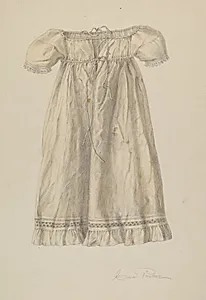
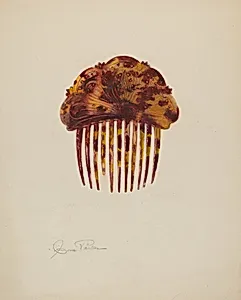
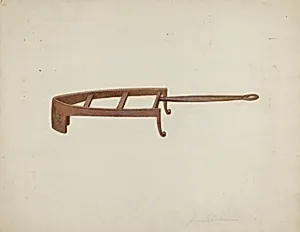
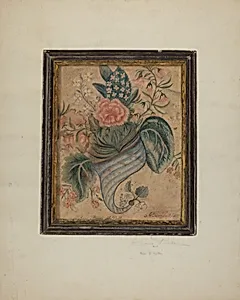
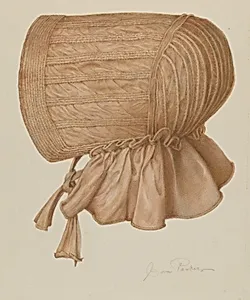
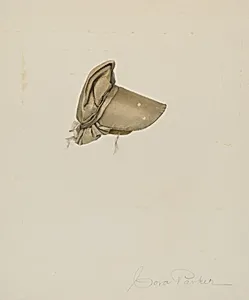
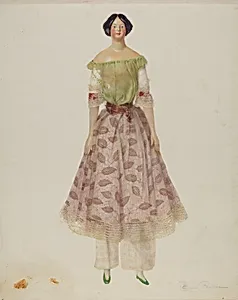
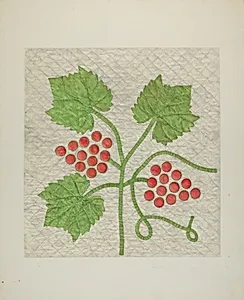
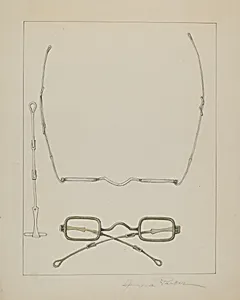
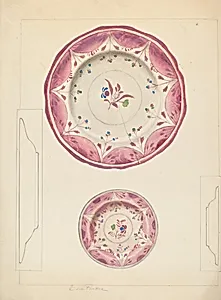
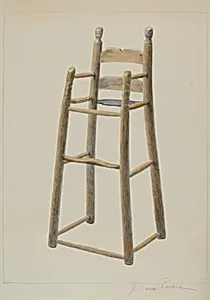
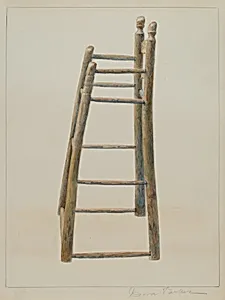
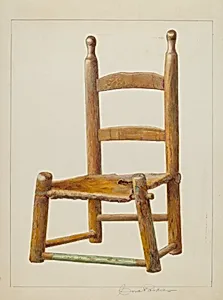
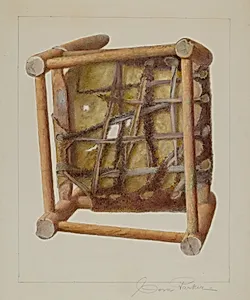
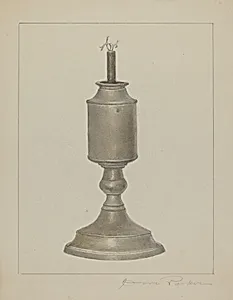
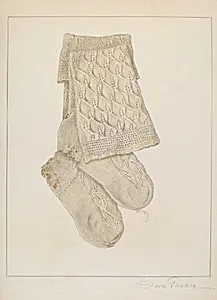
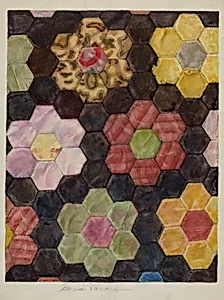
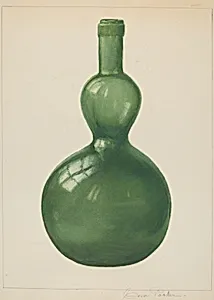
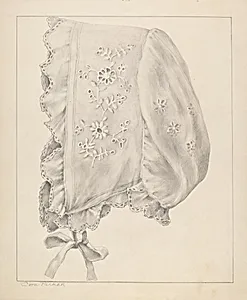
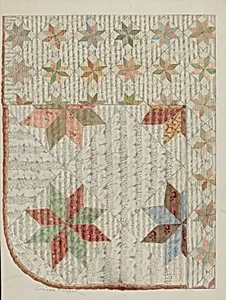
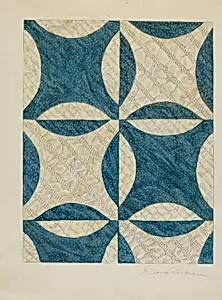
She then worked as director of collections at the Bruce Museum in Greenwich, Connecticut, painting and exhibiting during winters in Bermuda, Florida, and California. In the 1930s she settled in Coral Gables, Florida, where she remained until her death. During this period she produced numerous watercolor and graphite renderings of American folk-art objects—quilts, combs, lamps, powder horns, and household items—for the Index of American Design; many of these precise documentary works are now in the National Gallery of Art.
As a pioneering woman educator, Parker helped establish viable art programs at Midwestern universities when such roles were rare for women. Her impressionist-inspired paintings and later documentary watercolors enriched regional cultural life and preserved a visual record of American decorative arts, securing her place among the early contributors to both fine-art education and folk-art scholarship.