Ctrl K
1660–1704
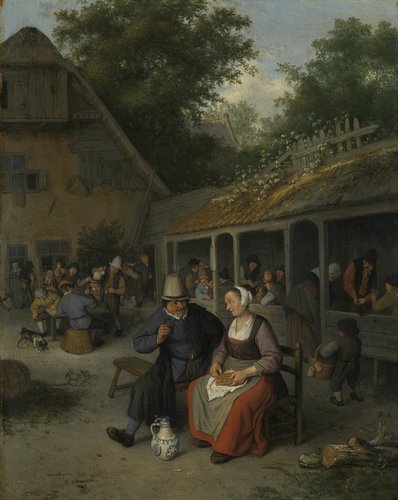
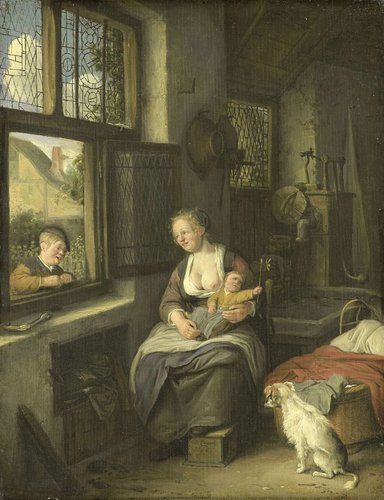
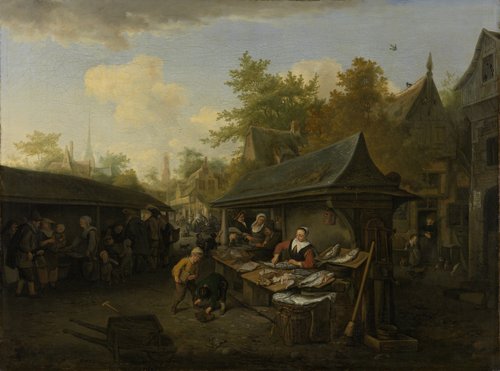
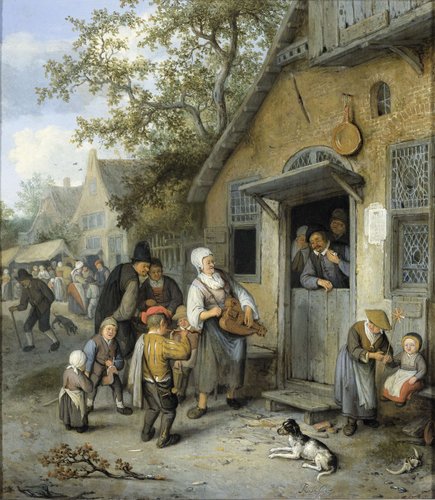
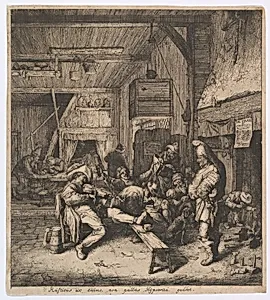
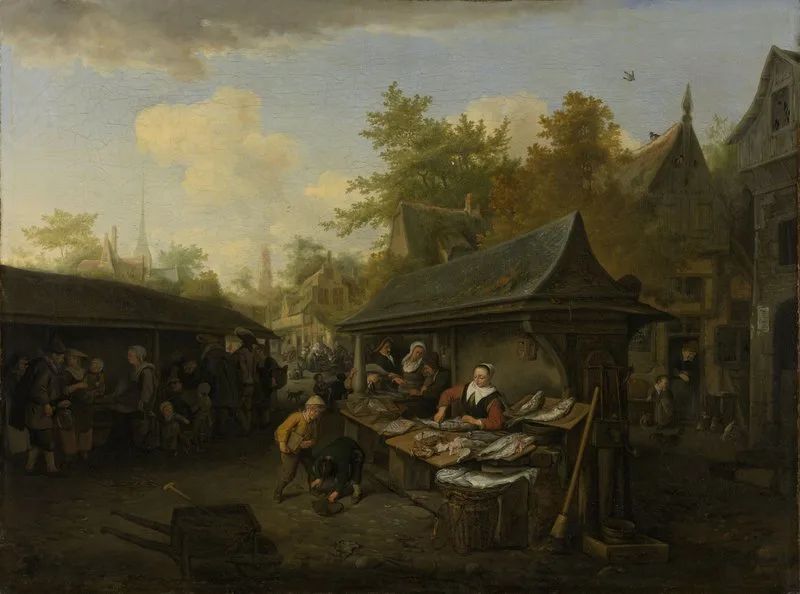
Cornelis Dusart (1660–1704) was a Dutch painter, draughtsman, and printmaker who stands as one of the most important continuators of the peasant genre tradition established by Adriaen van Ostade in Haarlem. Born in Haarlem, Dusart entered Van Ostade's workshop as a pupil and assistant, a relationship that proved formative in every respect. He so thoroughly absorbed his master's approach — the depiction of village taverns, rustic merrymaking, and peasant life rendered with warm humor and technical fluency — that he was entrusted with completing works left unfinished at Van Ostade's death in 1685, and he also inherited a substantial portion of the master's studio materials.
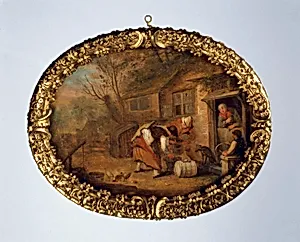
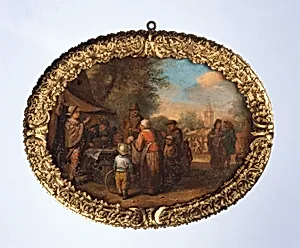
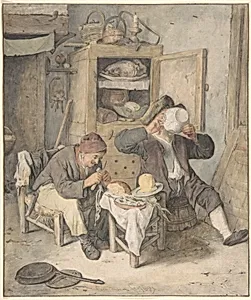
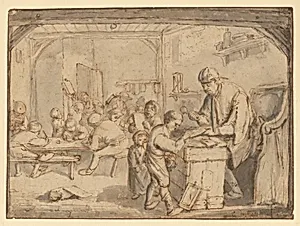
Dusart's paintings carry forward the Haarlem peasant genre with a slightly heightened coarseness and a taste for more boisterous subject matter than his teacher typically favored. His tavern scenes throng with drinkers, smokers, and musicians caught in moments of uninhibited pleasure, and he handles the interplay of candlelight and shadow with considerable skill. While his palette tends toward earthier tones than the silvery light of Van Ostade's finest work, Dusart's pictures possess their own vigorous energy and appeal.
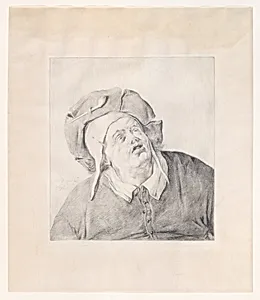
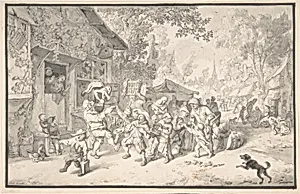
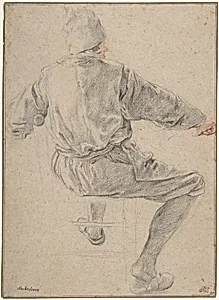
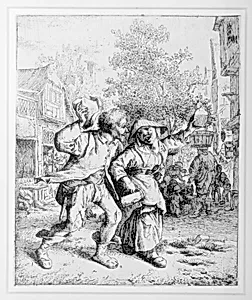
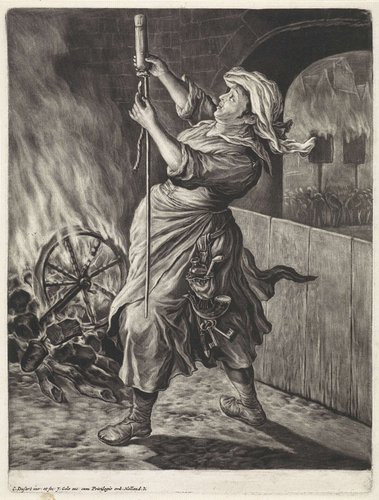
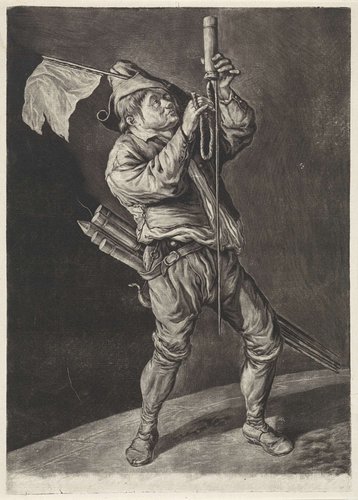
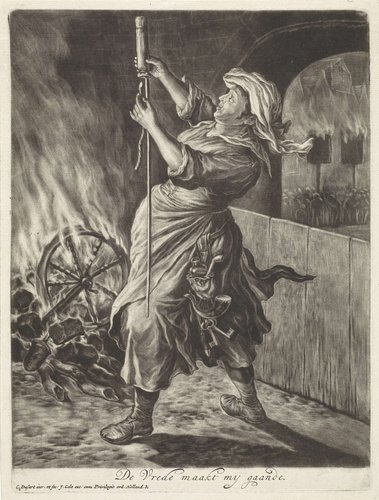
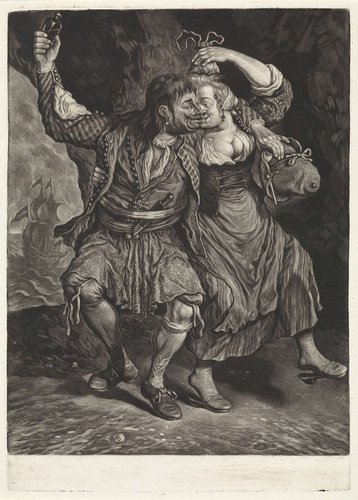
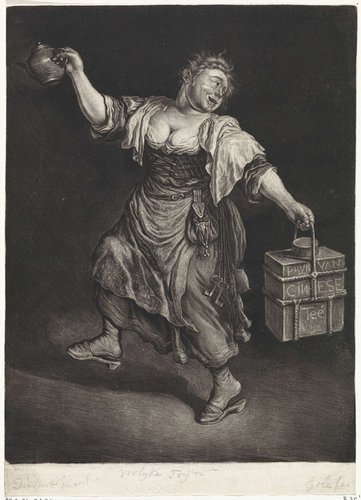
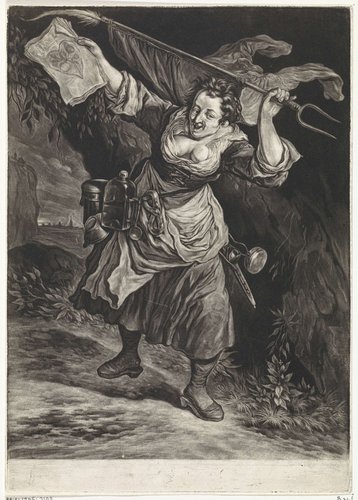
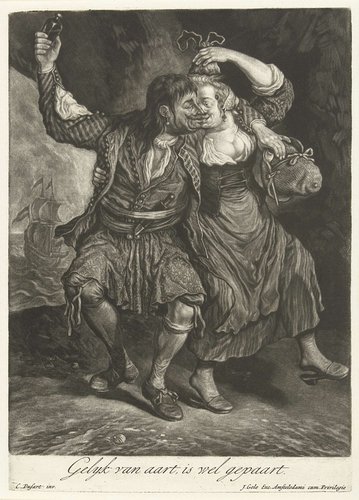
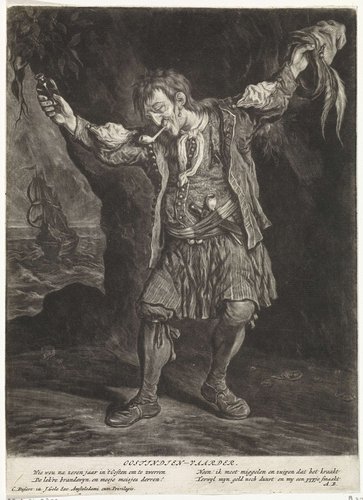
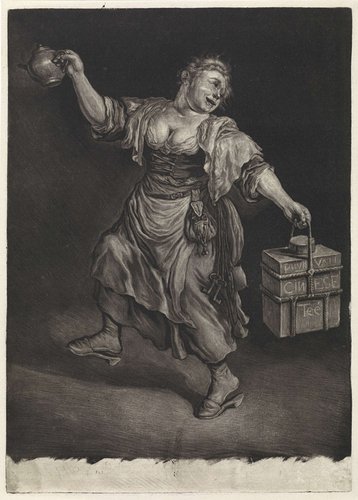
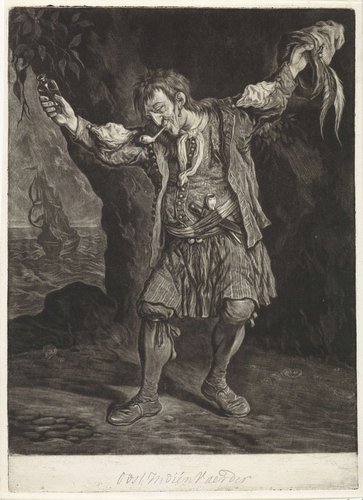
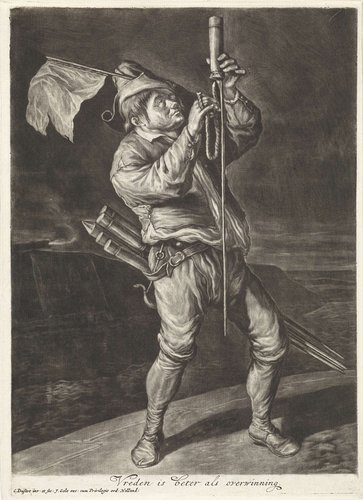
As a printmaker, Dusart was prolific and inventive, producing a large number of etchings and mezzotints that brought his imagery to a wider audience than paintings alone could reach. His mezzotints in particular show a mastery of the technique's capacity for velvety shadow and luminous highlight, and they were popular with collectors during his lifetime and afterward. He also produced drawings that rank among the most lively and spontaneous works associated with the Haarlem school in the late seventeenth century.
Dusart died in 1704, having spent virtually his entire career in Haarlem. Though he has inevitably lived in the shadow of Van Ostade, modern scholarship has increasingly recognized him as a gifted and independent artist whose work illuminates the final flourishing of the great Dutch genre tradition before it gave way to the more refined tastes of the eighteenth century.