Ctrl K
1629–1658
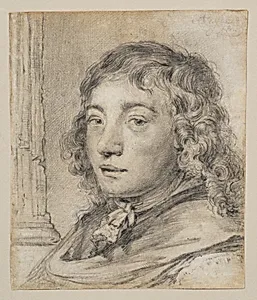
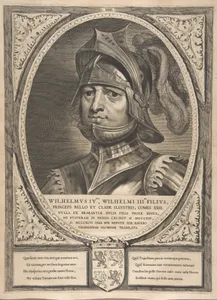
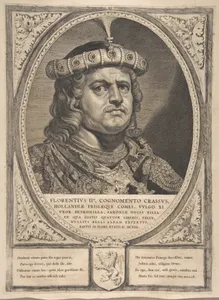
Cornelis Visscher (1629–1658) was a Dutch Golden Age engraver, draughtsman, and printmaker born in Haarlem, the brother of fellow artists Jan de Visscher and Lambert Visscher. Little is known of his early life, but he studied under the Haarlem painter and engraver Pieter Claesz Soutman, with whom he closely collaborated from 1649 to 1650, producing numerous portrait engravings for Soutman's print series. In 1653, Visscher joined the Haarlem Guild of St. Luke, though he soon relocated to Amsterdam around 1655, where he established himself independently as a publisher and leading line-engraver.
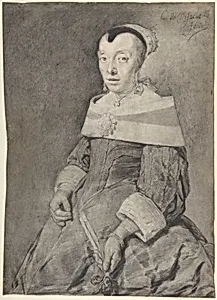
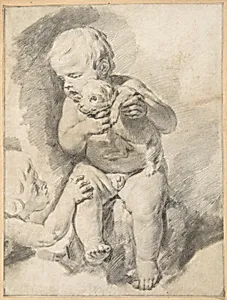
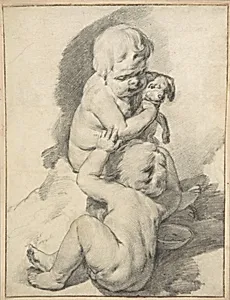
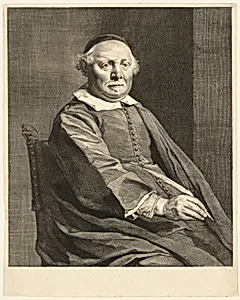
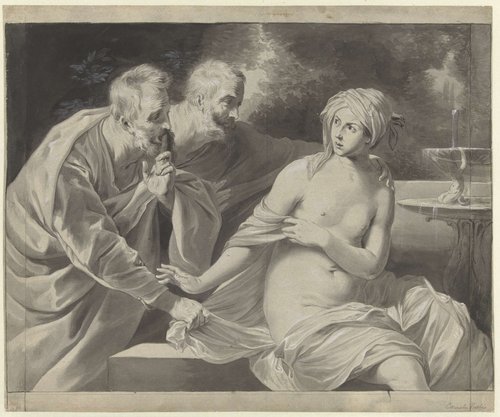
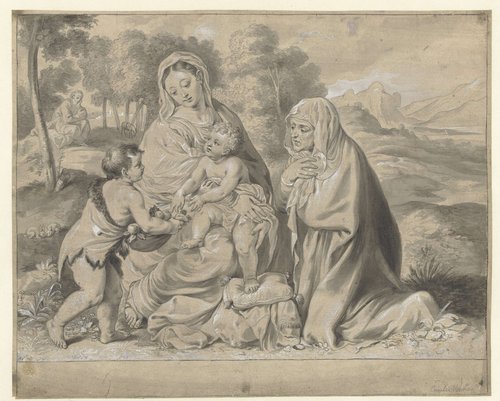
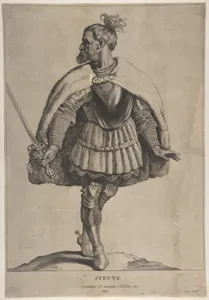
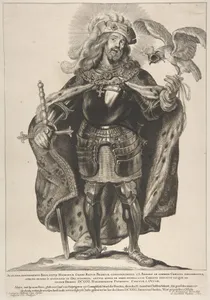
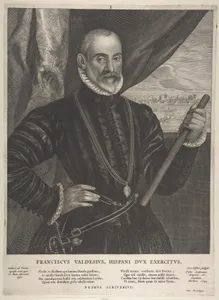
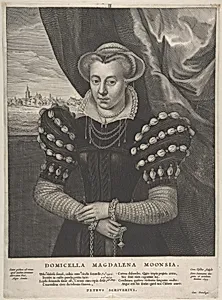
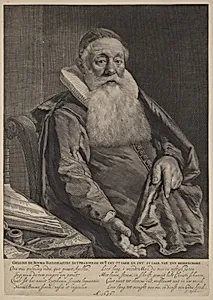
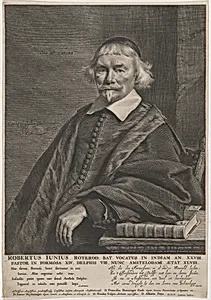
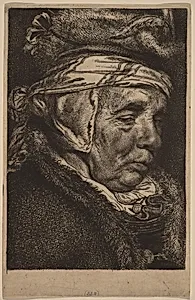
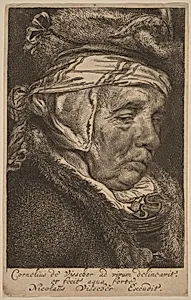
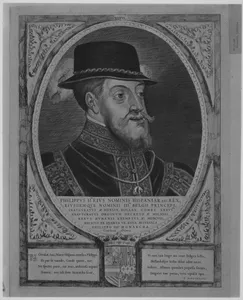
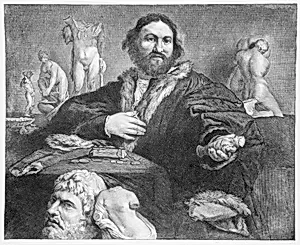
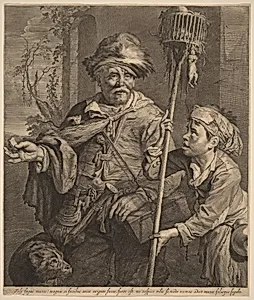
Working in the vibrant tradition of Haarlem and Amsterdam printmaking, Visscher excelled in detailed portraits, genre scenes, landscapes, biblical subjects, and animal studies, often reproducing works by masters like Nicolaes Berchem, Adriaen van Ostade, Pieter van Laer, Adriaen Brouwer, Peter Paul Rubens, and Bartholomeus Breenbergh. Renowned for his soft, tactile engravings and unparalleled charcoal drawings from live models, he created around 200 prints over his brief decade-long career, showcasing a masterful command of etching that captured texture and life with remarkable sensitivity.
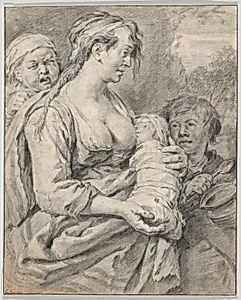
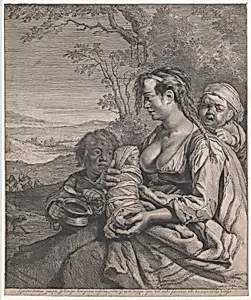
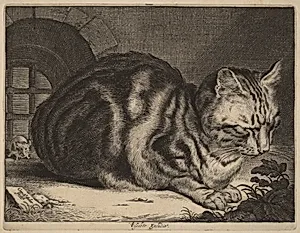
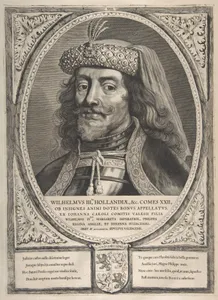
Among his most celebrated works are the *Self-Portrait* (1649), a poignant etched likeness; *The Large Cat* or *Cat Sleeping* (1657), one of the most tactile feline depictions in print history, with a mouse furtively nearby; *Roma Mother with Children*; and engravings like *Iacoba, Wilhelm VI. Filia, comes XXIX* (1650) and *Prælium navale inter Belgos et Anglos Ao 1653* (1653–1655). His portraits of notables, such as Admiral Louis de Boisot, and religious figures from Haarlem and Amsterdam further highlight his versatility.
Despite dying young at 29, Visscher's prolific output and influence on artists like Dirk Helmbreker, Cornelis Bega, and pupil Jan Aelbertsz Riethoorn cemented his legacy as one of the 17th century's premier Dutch portrait engravers. His prints were avidly collected, including by Amsterdam merchant Jeronimus Tonneman, and remain staples in institutions like the Art Institute of Chicago, which holds over 100 of his works.