Ctrl K
1879–1960
Cornelius Christoffels, born in the Netherlands on April 6, 1879, was a freelance artist known for landscape painting and commercial illustration. His early life and artistic training remain sparsely documented, with no records of specific teachers or art schools. In 1922, he immigrated to the United States, settling first in Los Angeles, California, where he built a career over many years creating commercial works before relocating north to San Mateo.
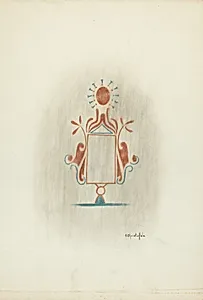
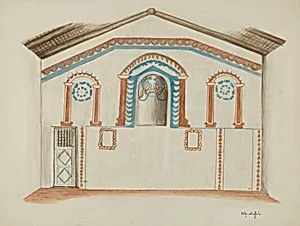
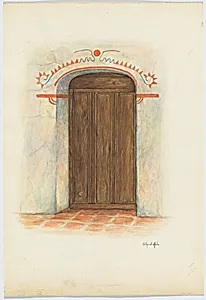
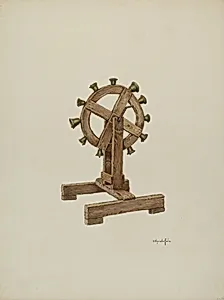
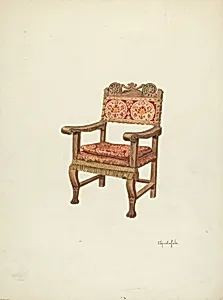
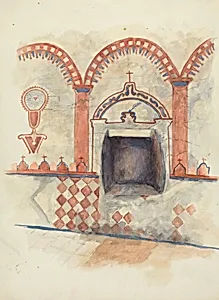
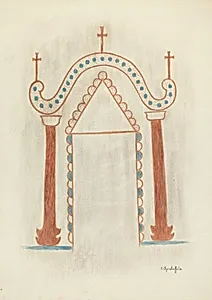
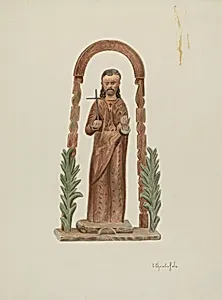
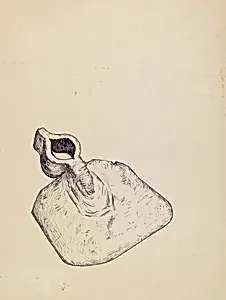
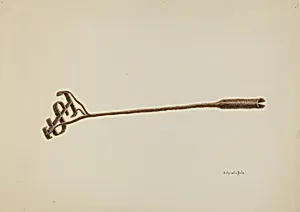
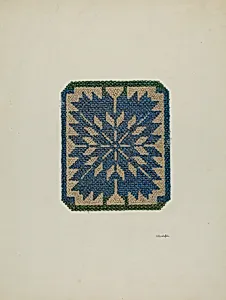
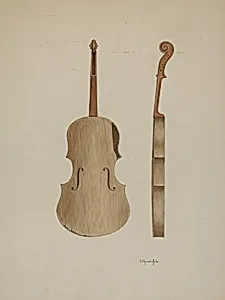
Christoffels gained lasting recognition through his contributions to the Index of American Design, a Federal Art Project under the Works Progress Administration from 1935 to 1942. In this ambitious endeavor to document everyday American folk art, crafts, and artifacts, he produced meticulous watercolor, gouache, graphite, and colored pencil renderings that captured the intricate details of tools, textiles, furniture, and religious objects with scientific precision. Working primarily around 1936–1942, often in collaboration with artists like Margaret Linsley on quilts and Edward Jewett on instruments, his style emphasized hyper-realistic depiction, blending technical draftsmanship with subtle color to highlight craftsmanship and cultural history.
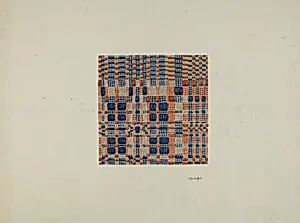
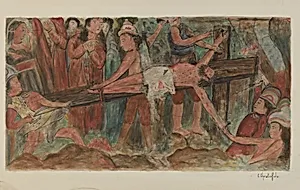
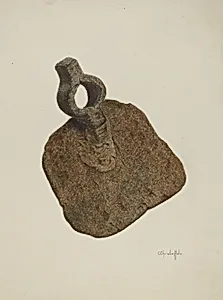
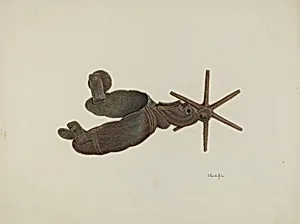
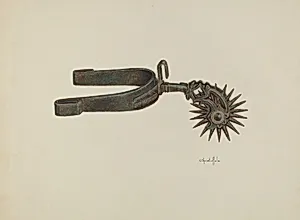
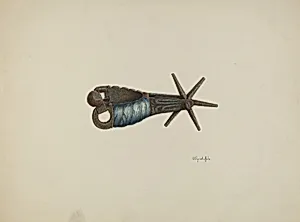
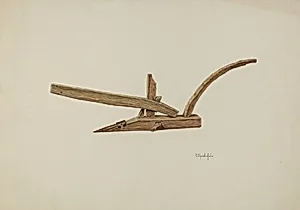
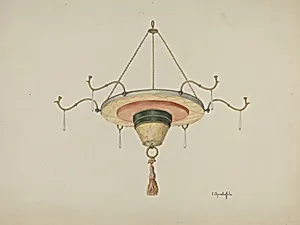
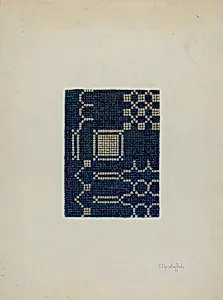
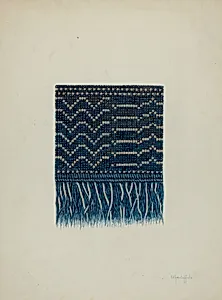
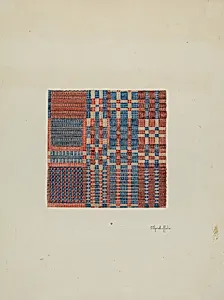
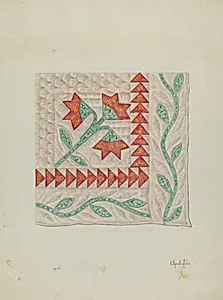
Among his standout works in the National Gallery of Art's extensive collection of 168 pieces are the *Spur* (c. 1941), a delicate watercolor and ink study of equestrian gear; the *Plow* (c. 1941) and *Hoe* (c. 1941), evoking rural American labor; and the poignant *Stations of the Cross* series (1941), including No. 11 depicting "Jesus Nailed to the Cross." Other highlights include detailed views of a *Chandelier* (1941), *Coverlet* (c. 1936), *Bag* (c. 1937), and *Pieced Autograph Quilt* (c. 1936, with Linsley), each preserving vanishing traditions through his exacting gaze.
Christoffels spent his final years in San Mateo until his death on October 6, 1960. Though not a household name, his legacy endures in the Index of American Design, where his renderings serve as invaluable visual archives. They not only immortalize overlooked folk arts but also reflect the era's push to celebrate national heritage amid economic hardship, offering modern viewers a window into America's material culture.