Ctrl K
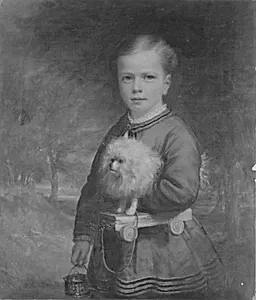
1816–1906
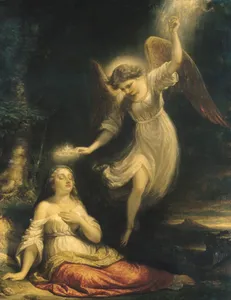
Daniel Huntington (1816–1906) was born into a prominent New York family on October 4, 1816, descending from distinguished New England lineage. His early education began at age fourteen at Smith's Academy in New Haven, followed by Yale College, where he studied with Samuel F. B. Morse, the inventor, artist, and president of the National Academy of Design, in 1835. After a disciplinary incident involving a student riot, he transferred to Hamilton College in Clinton, New York, and later completed studies at New York University. He also trained under portraitist Henry Inman and enrolled at the National Academy's school, exhibiting his first work there in 1836. In 1839, Huntington traveled to Florence and Rome, drawing inspiration from ancient religious art that influenced his idealized figure paintings.
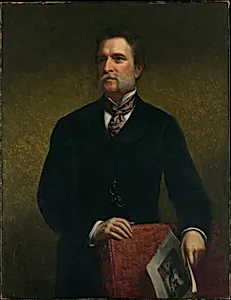
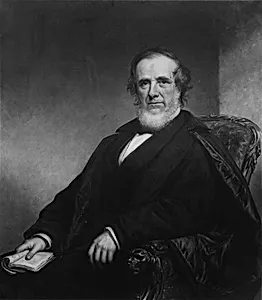
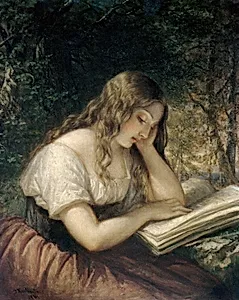
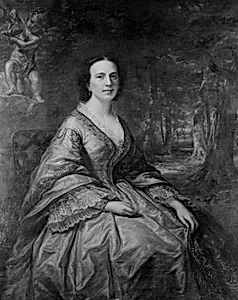
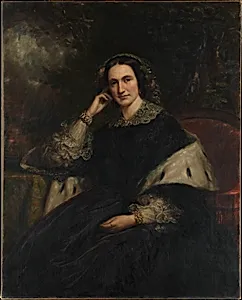
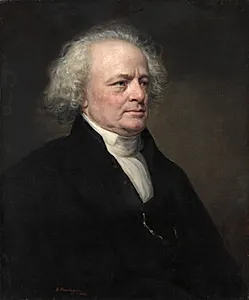
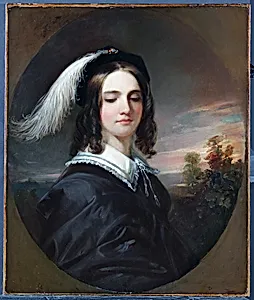
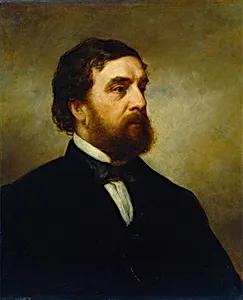
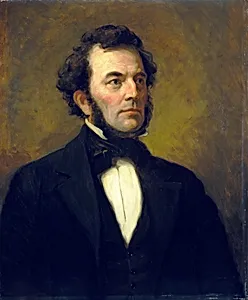
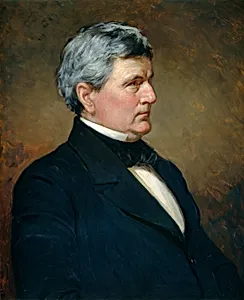
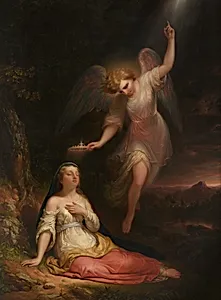
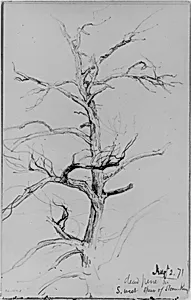
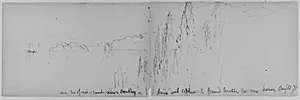
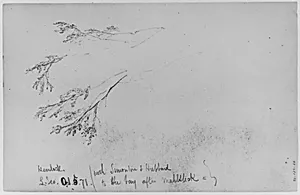
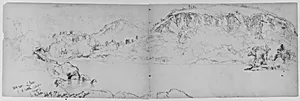
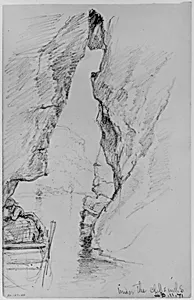
Huntington's early career aligned with the Hudson River School tradition, producing landscapes such as *Mill Pond at Chocorua*, exhibited at the National Academy in 1858, and numerous White Mountains sketches from trips starting in 1854. He summered in North Conway with artists like Benjamin Champney, Asher B. Durand, and others, capturing the region's light and spirit. Transitioning to portraiture, he became New York's preeminent painter post-Civil War, creating over 1,000 works, including presidential likenesses of Abraham Lincoln, Martin Van Buren, and Rutherford B. Hayes. Other notable pieces include *The Fair Student* (1858) and allegorical subjects like *Philosophy and Christian Art* (1868).
Elected to the National Academy of Design as an associate in 1839 and academician in 1840, Huntington served as its president from 1862 to 1870 and again from 1877 to 1891. He was vice president of the Metropolitan Museum of Art from its founding in 1870 until 1903 and received the first one-man retrospective for a living artist in New York in 1849. His legacy endures as a pillar of American art institutions, blending Romantic landscapes with refined portraiture that chronicled the nation's elite.