Ctrl K
1911–1995
Daniel Marshack was an American artist born around 1911 whose death date remains unknown. Little is recorded about his early life, training, or teachers, as is common for many of the hundreds of artists employed on New Deal-era public art projects. He is known today almost exclusively through his contributions to the Index of American Design, a Federal Art Project of the Works Progress Administration that ran from 1935 to 1942. This ambitious program hired more than a thousand artists nationwide to create a comprehensive visual archive of American decorative arts, folk crafts, and historical costumes.
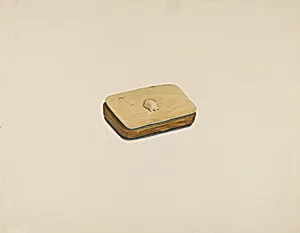
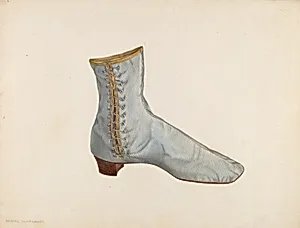
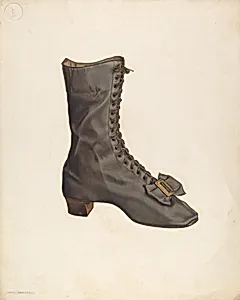
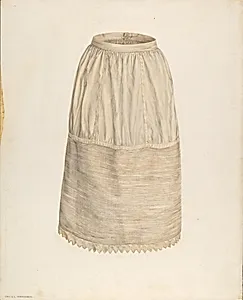
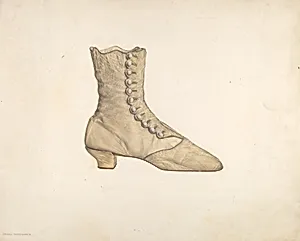
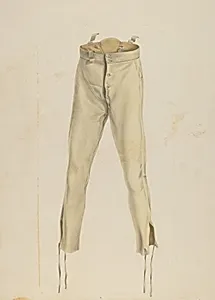
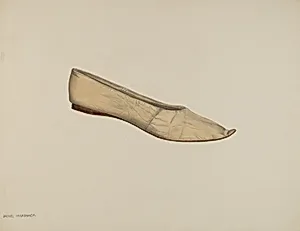
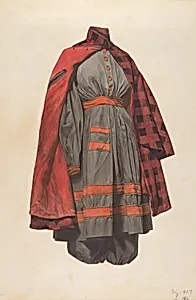
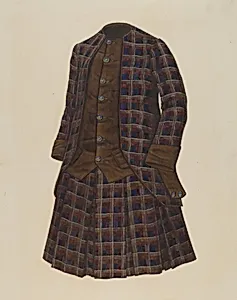
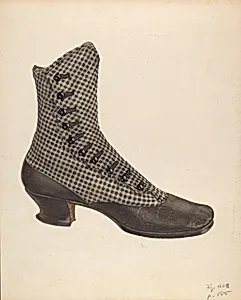
Marshack specialized in meticulously rendered watercolors of clothing, footwear, and personal accessories. Working in watercolor, graphite, and occasional pen and ink on paperboard, he produced highly accurate, almost scientific illustrations that captured every stitch, texture, and construction detail of the original objects. These drawings were not intended as personal artistic statements but as documentary records, preserving vanishing examples of American material culture for future study. His subjects ranged from everyday garments to more specialized items, reflecting the Index’s broad mandate to document both utilitarian and decorative objects from colonial times through the early twentieth century.
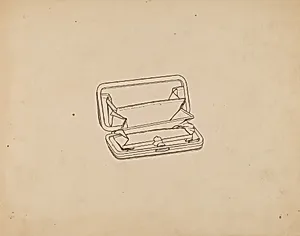
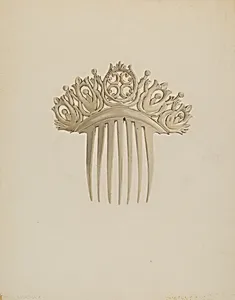
Among his documented works, now held by the National Gallery of Art, are several studies of women’s shoes from around 1939–1940, a petticoat of circa 1940, trousers dated 1935/1942, a boy’s poplin suit, a slipper, a woman’s gym suit, and card cases. He also collaborated with Gertrude Lemberg on a drawing of a comb around 1939. These pieces exemplify the Index’s exacting standards: each object is presented in isolation against a plain background, with precise color matching and technical notes that allowed later researchers to understand construction methods and historical styles.
Marshack’s drawings form part of the Index’s collection of more than 18,000 watercolors, which remains one of the most important visual resources for the history of American design and costume. Because the works entered the public domain, they continue to be widely reproduced and studied, offering later generations an intimate, detailed view of how Americans once dressed and the objects they used. Though Marshack himself left little biographical trace, his careful, anonymous labor helped create an enduring national archive of everyday beauty and craftsmanship.