Ctrl K
1597–1630
**Daniele Crespi** (1598–19 July 1630) was an Italian painter and draughtsman active primarily in Milan and regarded as one of the most original artists working there in the 1620s. He broke away from the exaggerated forms of Lombard Mannerism toward an early Baroque style marked by clarity of form, direct emotional appeal, and simplified compositions. A prolific painter of religious history subjects, he also produced sensitive portraits.
Born into a family from Busto Arsizio (with uncertainty over whether he was born there or in Milan), Crespi’s early training is sparsely documented. He is first recorded in 1619 working with the local painter Guglielmo Caccia, known as Moncalvo, on projects in Milanese churches such as San Vittore al Corpo. His early canvases and frescoes, including scenes from the *Life of St. Anthony* and decorations in Sant’Antonio, show the influence of Giovanni Battista Crespi (called Cerano) and Giulio Cesare Procaccini, with rhythmic yet somewhat flat forms. By the early 1620s, works such as frescoes in Sant’Eustorgio and Sant’Alessandro in Zebedia continued to reflect these Lombard and Emilian sources.
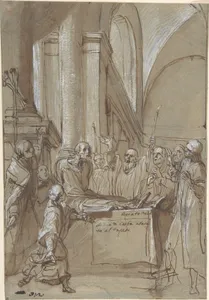
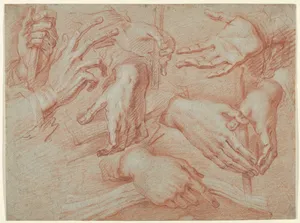
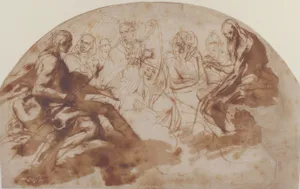
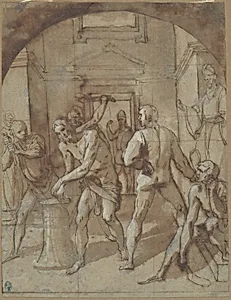
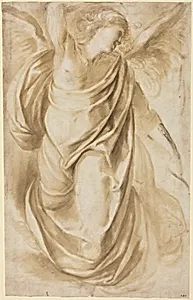
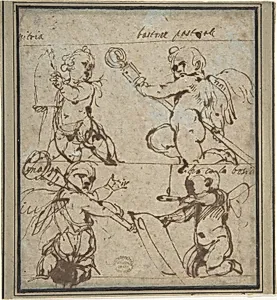
Crespi’s mature style emerged around 1623, featuring stark, simple narratives and greater clarity, possibly inspired by travels or exposure to Giovanni Lanfranco’s work in Piacenza. Key commissions include organ shutters and the psychologically intense *Supper of St. Charles Borromeo* (c. 1620s) for Santa Maria della Passione in Milan, as well as the *Last Supper* (1624–25, now in the Pinacoteca di Brera). In 1629 he completed a major fresco cycle depicting the *Life of St. Bruno* for the Garegnano Charterhouse, followed in 1630 by another extensive cycle at the Certosa di Pavia. Other notable works include the *Pietà* (1626, Museo del Prado), the *Road to Calvary* (Pinacoteca di Brera), and various altarpieces now in Milan and Modena collections. He was also admired as a portraitist and made preparatory drawings in an academic manner.
Crespi died in the Milan plague of 1630, along with his mother, wife, and two sons. Among his pupils was Melchiorre Giraldini. His legacy endures through major works preserved in Lombard institutions and the naming of the Liceo Daniele Crespi in Busto Arsizio after him. His art bridged late Mannerist traditions with the emerging Baroque emphasis on emotional directness and compositional clarity.