Ctrl K
David Levinthal (born 1949 in San Francisco) received his undergraduate degree in studio art from Stanford University in 1970, followed by an MFA in Photography from Yale University in 1973 and a graduate degree from the MIT Sloan School of Management in 1981. His Yale training placed him within a conceptually rigorous tradition of American photography that was increasingly engaging with popular culture and representation.
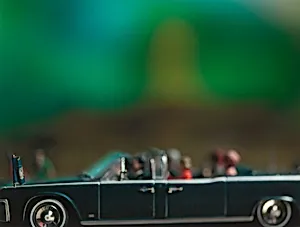
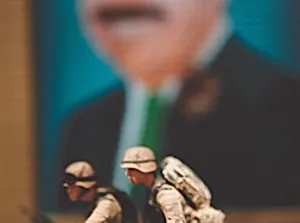
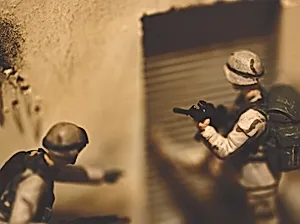
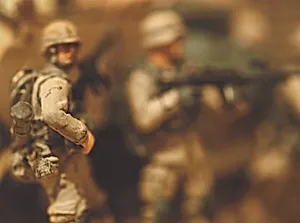
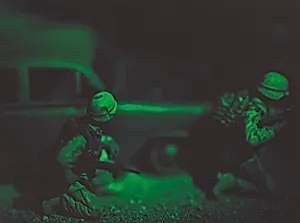
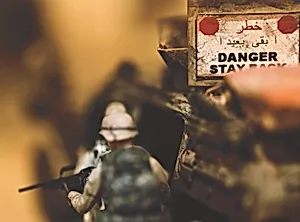
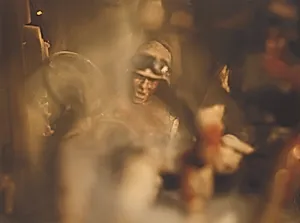
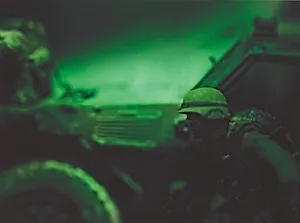
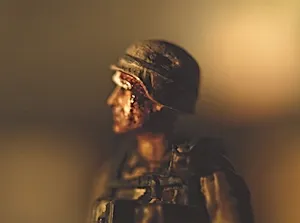
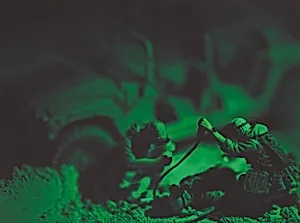
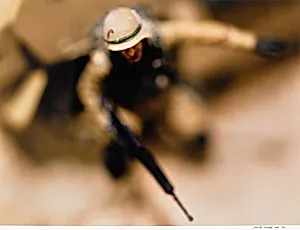
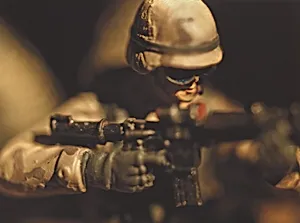
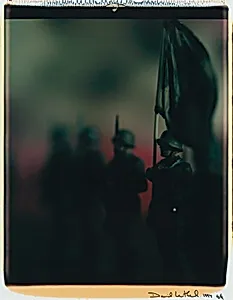
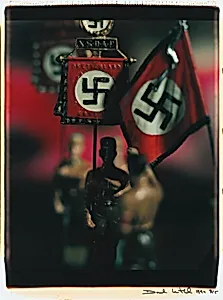
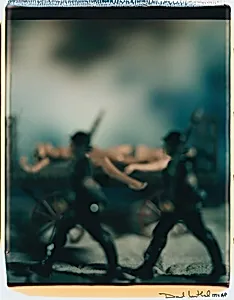
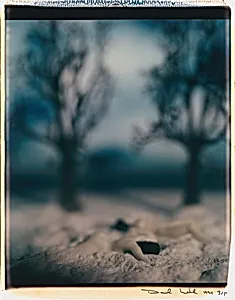
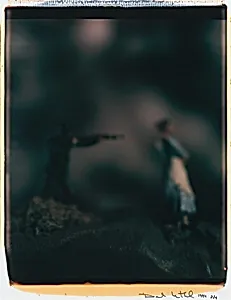
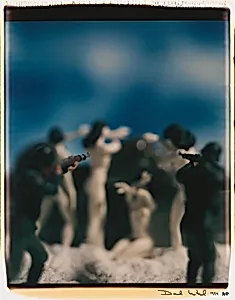
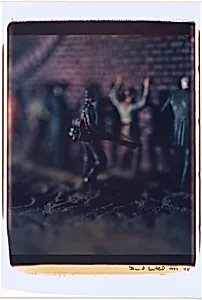
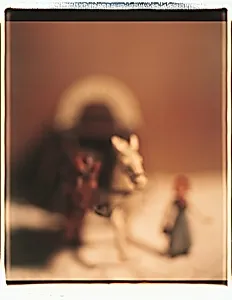
Levinthal's practice is built around a deceptively simple premise: he arranges small toys, figurines, and commercially produced objects into carefully lit tableaux and then photographs them with a large-format camera, often using selective focus to blur backgrounds and lend his miniature scenes an uncanny sense of scale and presence. The resulting images draw the viewer into scenarios that simultaneously acknowledge their artificiality and exploit the emotional registers of the imagery they reference—war, desire, racial mythology, sports, and mass-media fantasy. His use of large-format Polaroid photography became a signature element of his mature work, contributing a richly saturated, slightly dreamlike quality to his constructed scenes.
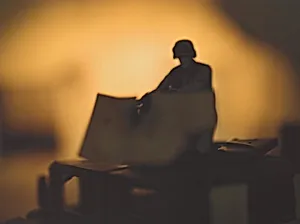
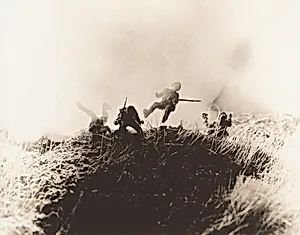
His major bodies of work span decades and subjects. Hitler Moves East, begun in 1972 and later published as a book in collaboration with cartoonist Garry Trudeau, used toy soldiers to portray the German invasion of the Soviet Union in haunting black-and-white photographs. Subsequent series including Wild West, Desire, and Blackface turned his lens on the imagery embedded in American popular culture—the mythology of the frontier, erotic fantasy, and the disturbing history of racial caricature in American entertainment objects. The Barbie and Baseball series continued this investigation of how consumer goods encode cultural values and collective memory.
Levinthal has received a Guggenheim Fellowship and a fellowship from the National Endowment for the Arts. Retrospective exhibitions of his work have been presented at the International Center of Photography, the George Eastman Museum, and the Smithsonian American Art Museum. His career stands as a sustained inquiry into the relationship between the objects a society produces for its children and the ideologies those objects quietly transmit.