Ctrl K
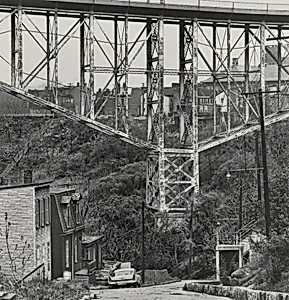
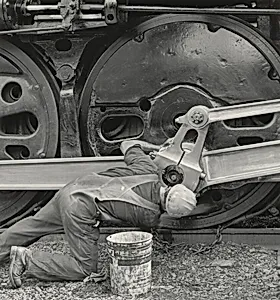
David Plowden, born on October 9, 1932, in Boston, Massachusetts, to Roger Stanley Plowden and Mary Russell Butler, grew up primarily in New York City with time spent in Putney, Vermont. He attended the Putney School, graduating in 1951, and earned a BA in economics from Yale University in 1955. His passion for photography ignited early; at age eleven, his mother gave him a Brownie reflex camera, with which he captured his first steam engine image, sparking a lifelong obsession with railroads. After brief stints at the Great Northern Railway and American Express, Plowden committed to photography full-time.
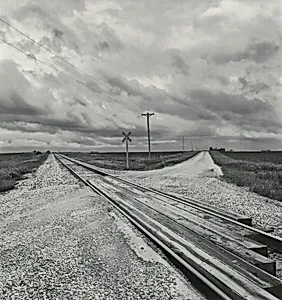
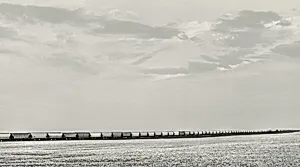
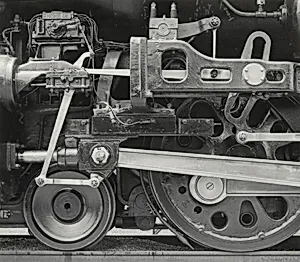
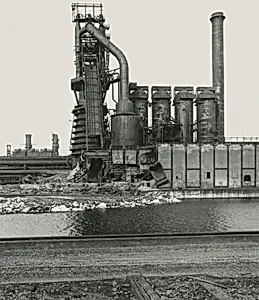
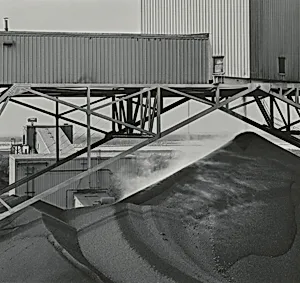
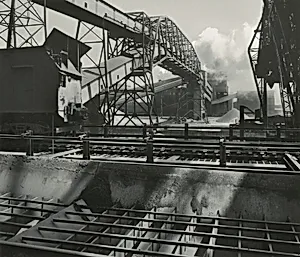
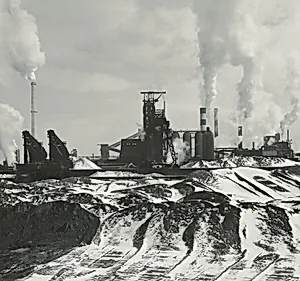
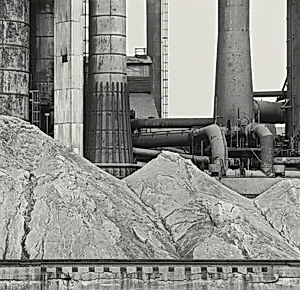
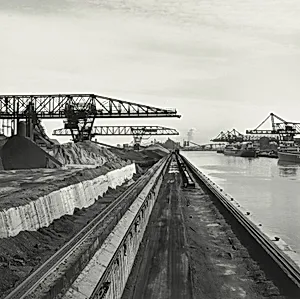
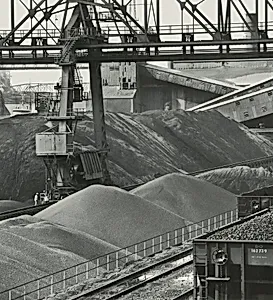
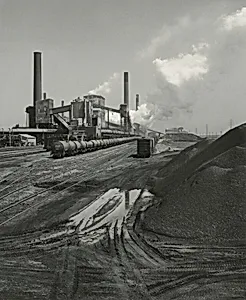
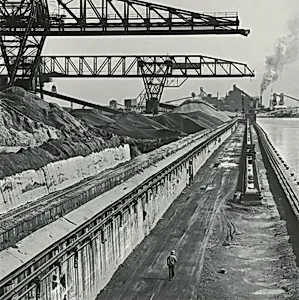
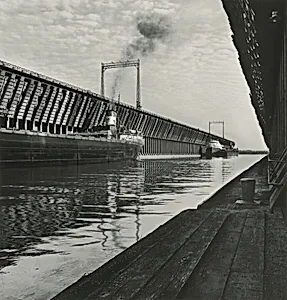
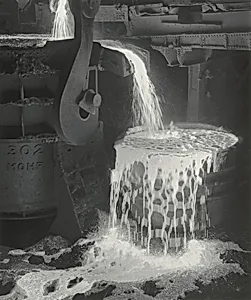
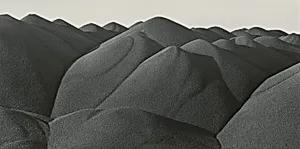
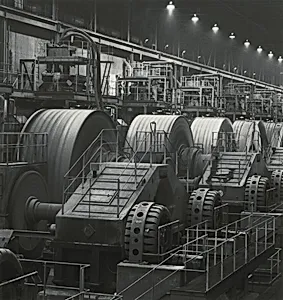
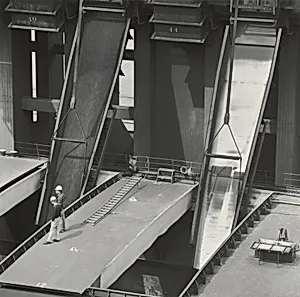
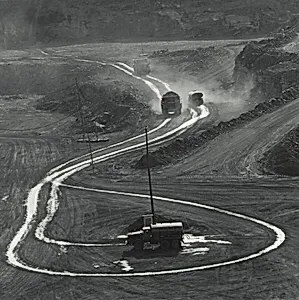
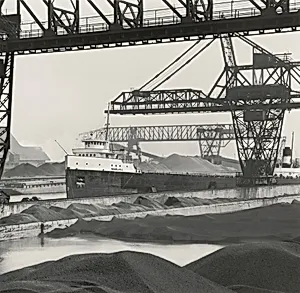
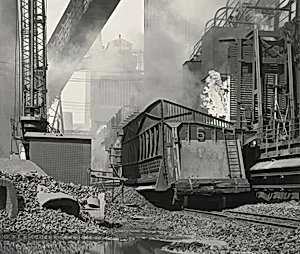
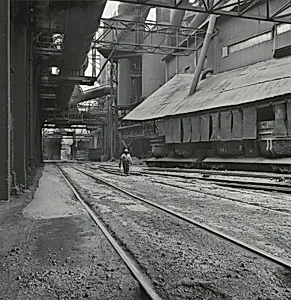
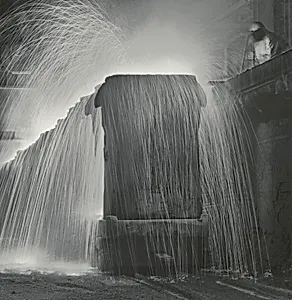
Plowden honed his craft as assistant to O. Winston Link from 1958 to 1959 and studied under Minor White and Nathan Lyons in Rochester from 1959 to 1960, while also assisting George Meluso through 1963. Working in the documentary photography tradition, he produced stark black-and-white images chronicling vanishing facets of American life—steam locomotives like the *Phoebe Snow* at Scranton, Pennsylvania (1964), the Statue of Liberty from Jersey City (1967), steel mills in East Chicago, Indiana (1979), grain elevators, bridges, small-town Main Streets, and Great Lakes steamboats—often one step ahead of demolition.
Over six decades, Plowden authored or illustrated more than twenty books, including *Farewell to Steam* (1966), *Bridges: The Spans of North America* (1974), *Steel* (1981), *Small Town America* (1994), *Vanishing Point: Fifty Years of Photography* (2007), and *Requiem for Steam* (2010). Retrospectives like *Imprints* (1997–1998) at the Albright-Knox Art Gallery showcased over 100 prints, highlighting his battle between civilization and nature.
A Guggenheim Fellow in 1968, Plowden taught at the Illinois Institute of Technology's Institute of Design (tenured 1982), University of Iowa, and others, influencing generations. His archive resides at Yale's Beinecke Library, with works in the Art Institute of Chicago (132 prints), Library of Congress, and Smithsonian, cementing his legacy as America's preeminent visual historian of industrial and rural transformation.