Ctrl K
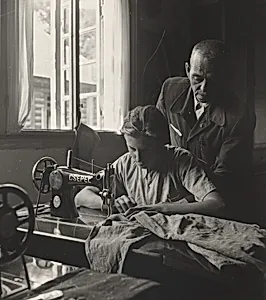
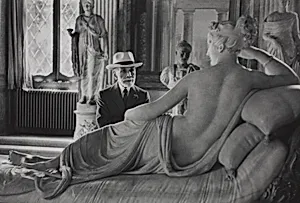
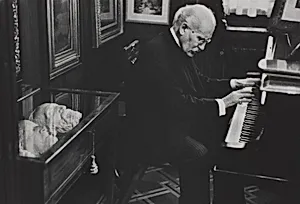
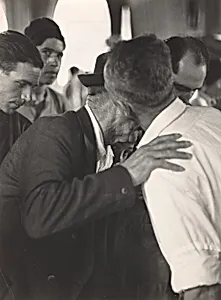
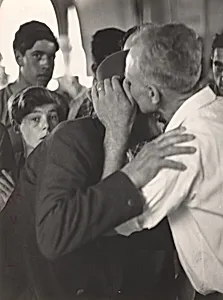
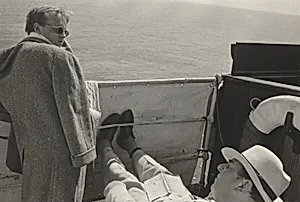
David Seymour, born Dawid Szymin on November 20, 1911, in Warsaw, Poland, became one of the defining photojournalists of the twentieth century. Raised in a family of Yiddish and Hebrew publishers, he studied graphic arts in Leipzig before pursuing further studies at the Sorbonne in Paris, where he began his career as a freelance photographer in 1933. His work first appeared in the French magazine Regards in 1934, and he soon developed a reputation for images that combined rigorous documentary instinct with deep human empathy. The nickname Chim — derived from his surname Szymin — stayed with him throughout his life.
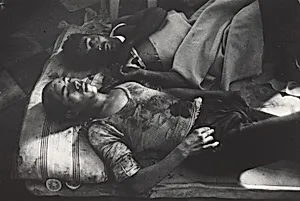
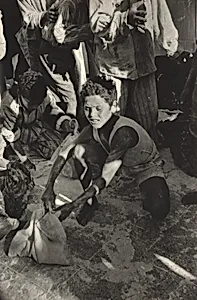
Chim came to international prominence covering the Spanish Civil War between 1936 and 1938, working alongside Robert Capa. His photographs of civilians caught in the conflict, particularly in Barcelona, were widely published in Regards and Life and established him as a photographer of rare sensitivity. When World War II broke out, he made his way to the United States, became a naturalized citizen in 1942, and served in the U.S. Army as a photo interpreter, trained at Camp Ritchie.
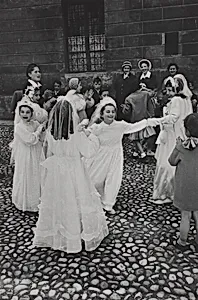
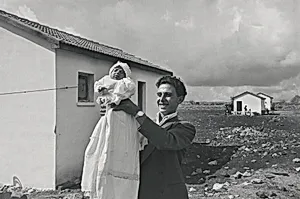
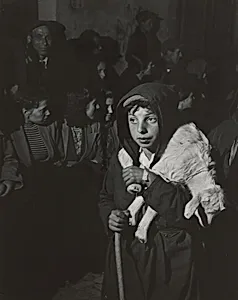
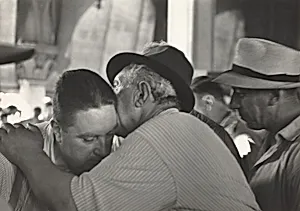
In 1947, Chim co-founded Magnum Photos in Paris alongside Robert Capa, Henri Cartier-Bresson, George Rodger, and William Vandivert — creating what would become the most influential photojournalist cooperative in history. His most celebrated postwar project was a series documenting displaced and traumatized children across Austria, Hungary, Italy, Poland, and Germany for UNICEF in 1948. These images of what became known as the Children of Europe brought worldwide attention to the human cost of the war and were published by UNESCO. His work was also included in Edward Steichen's landmark 1955 exhibition The Family of Man, seen by approximately nine million people.
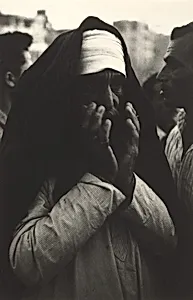
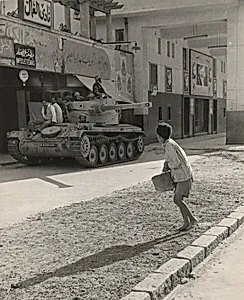
Following Capa's death in 1954, Chim became president of Magnum Photos, a role he held until his own death. On November 10, 1956, while covering the aftermath of the Suez Crisis near El Qantara, Egypt, he was killed by Egyptian machinegun fire at the age of 44. He is remembered as one of photography's great humanists, whose lens consistently turned toward the vulnerable and the dispossessed.