Ctrl K
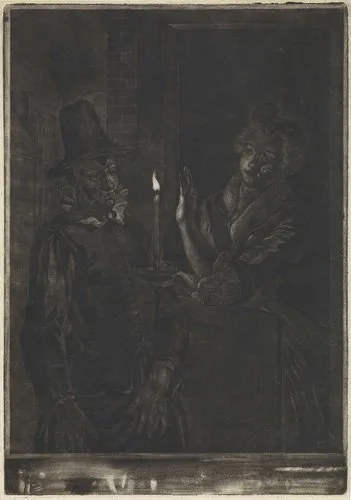
1731–1820
Occupations
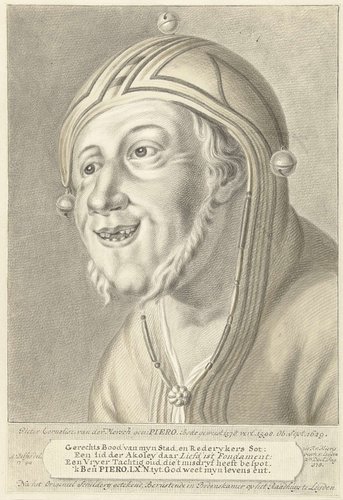
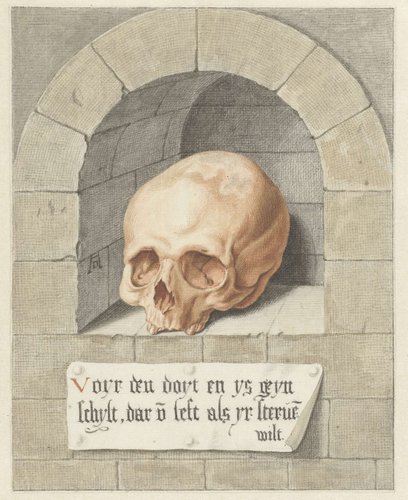
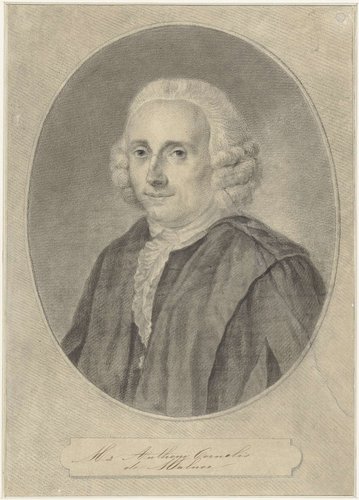
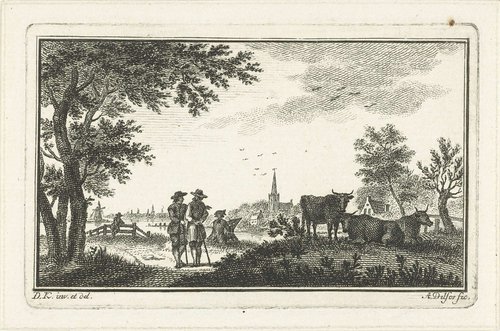
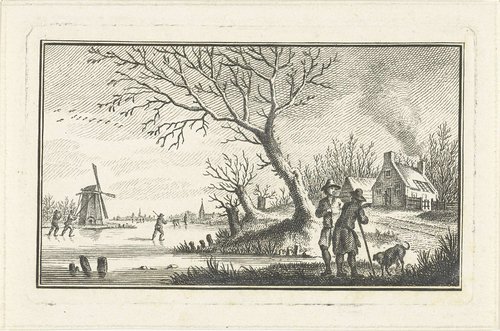
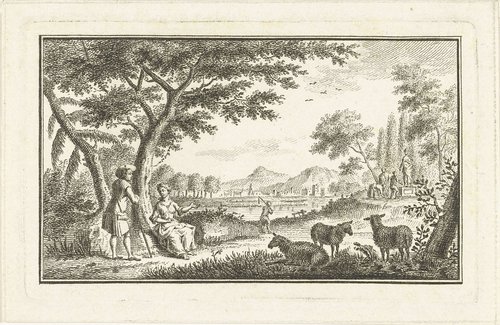
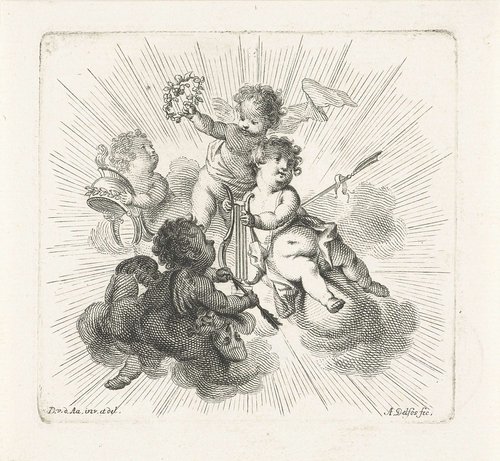
Abraham Delfos (1731–1820) was a distinguished Dutch painter, draughtsman, and engraver whose nearly nine-decade life spanned much of the 18th century and extended into the early 19th, making him a bridge between the late Dutch Golden Age tradition and the emergence of modern Dutch art. Born in Leiden on March 8, 1731, Delfos dedicated his career to the meticulous craft of reproductive engraving, translating works by Old Masters into prints that made great art accessible to scholars, artists, and collectors throughout Europe. Delfos belonged to a Leiden family of booksellers and emerged as the sole artist among his siblings, pursuing a vocation that combined artistic skill with scholarly dedication. After training with Jan Wandelaar, an accomplished engraver and anatomical illustrator, Delfos established himself as a master of reproductive printmaking. His engravings after works by Abraham Bloemaert, Lucas van Leyden, Nicolaes Berchem, and other Dutch and Flemish masters demonstrated exceptional technical control and fidelity to the originals, making him one of the most respected reproductive engravers of his generation. Beyond his artistic practice, Delfos played a significant institutional role in Leiden's cultural life. From 1761, he served as director of the Leiden painting academy, training the next generation of Dutch artists. In 1799, his peers elected him president of Ars Aemula Naturae (Art Emulates Nature), Leiden's prestigious artistic society. His extraordinarily long career—producing engravings from 1753 until at least 1807, when he was 76 years old—provided continuity in Dutch printmaking across decades of political and cultural change, from the Dutch Republic through the Batavian Republic and into the Kingdom of Holland. When he died in Leiden on July 13, 1820, just five years after the establishment of the modern Kingdom of the Netherlands, he left behind a substantial body of work that preserved Dutch artistic heritage and served as study material for generations of artists.
Abraham Delfos was born on March 8, 1731, in Leiden, one of the Netherlands' most important intellectual and cultural centers. His father, Pieter Delfos (1699–1775), was a bookseller in Leiden, and his mother was Francientje Le Maire. The family's involvement in the book trade would have given young Abraham early exposure to printed images and publications.
Abraham had two brothers: Pieter the Younger (1737–1816) and Karel (1725–1789), both of whom followed their father into the bookselling business. Abraham was the only member of his family to pursue an artistic career, suggesting particular talent or inclination that was recognized and supported by his family.
Delfos received his artistic training from Jan Wandelaar (1690–1759), one of the most accomplished Dutch engravers of the early 18th century. Wandelaar was particularly renowned for his anatomical illustrations, created in collaboration with the famous Leiden anatomist Bernhard Siegfried Albinus. Under Wandelaar's tutelage, Delfos learned the demanding techniques of line engraving and reproductive printmaking.
This training emphasized precision, patience, and absolute fidelity to the original work. Reproductive engravers needed to translate paintings into the linear language of engraving while preserving the original's tonal values, compositional balance, and artistic character. Wandelaar's example demonstrated how engraving could serve both artistic and scientific documentation, maintaining the highest standards of accuracy and craftsmanship.
Delfos's earliest documented engravings date from 1753, when he was twenty-two years old. These early works already demonstrated the technical competence and attention to detail that would characterize his entire career. He quickly established himself within Leiden's artistic community and began receiving commissions for reproductive engravings.
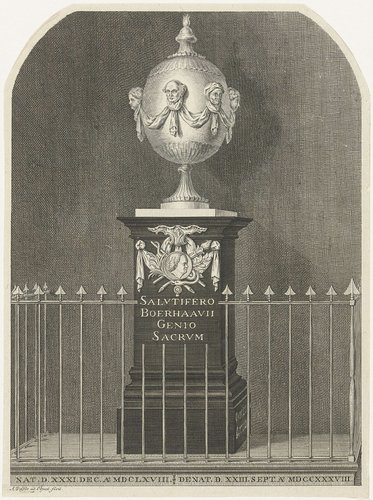
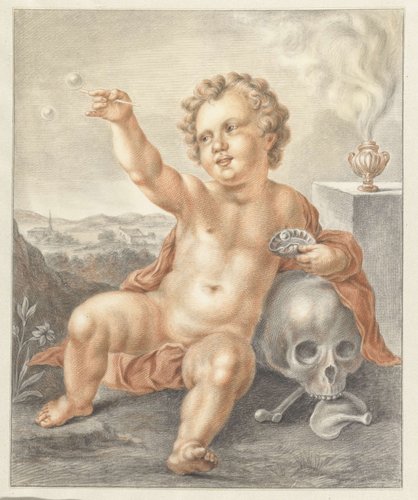
During the 1750s and 1760s, Delfos created engravings after works by Old Masters, particularly Dutch and Flemish artists of the 16th and 17th centuries. His work after Abraham Bloemaert, the Utrecht mannerist painter, showed his ability to capture the elaborate compositions and sophisticated figure work of late Renaissance art. His engravings after Lucas van Leyden, one of the pioneers of Dutch printmaking in the early 16th century, demonstrated respect for and continuity with earlier Dutch engraving traditions.
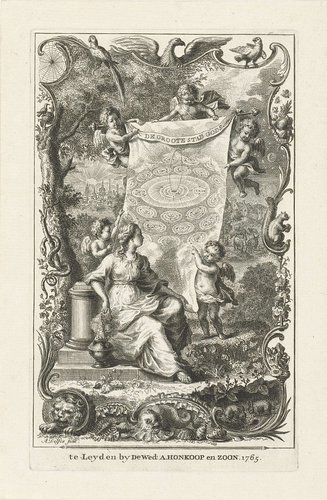
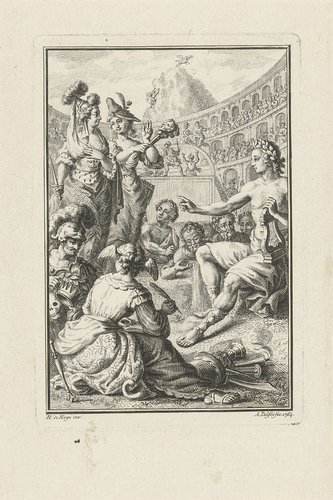
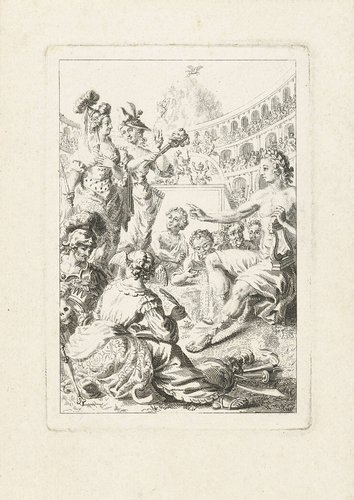
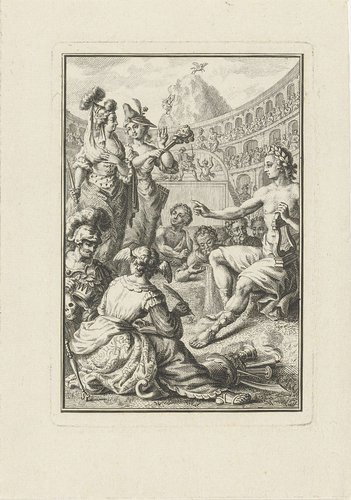
Delfos also collaborated on numerous illustrated books, a major component of 18th-century print production. These book illustrations required different skills than large independent prints—smaller scale, integration with text, consistency across multiple images—but were essential to the business of professional engravers. His family's involvement in bookselling may have facilitated these connections with publishers.
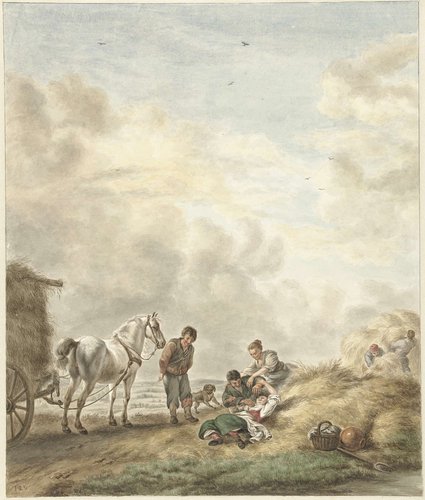
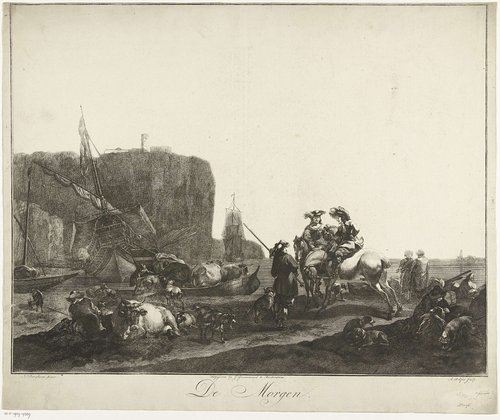
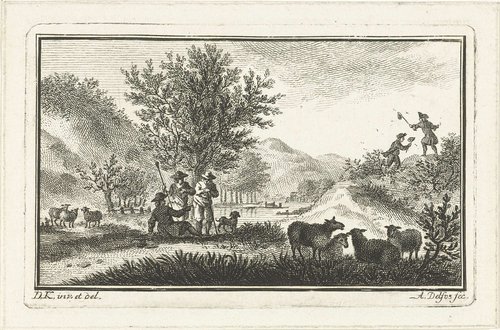
An engraving dated 1763 after Nicolaes Berchem, the celebrated Dutch Italianate landscape painter, exemplifies his mature early work. Berchem's pastoral scenes, with their complex compositions of figures, animals, and landscape, demanded sophisticated engraving technique to convey atmospheric depth and varied textures.
In 1761, Delfos was appointed director of the painting academy in Leiden, a position he would hold for decades. This role reflected his standing within the artistic community and his commitment to artistic education. As academy director, he oversaw training in drawing and painting, ensuring that traditional skills and standards were passed to new generations of artists.
The role of academy director in the 18th century involved not just administrative duties but active teaching and demonstration. Students would have learned by copying Delfos's own works and those in the academy's collection, receiving correction and guidance on technique, composition, and artistic principles. Delfos's background in reproductive engraving made him particularly well-suited to teaching the careful observation and precise rendering that formed the foundation of academic training.
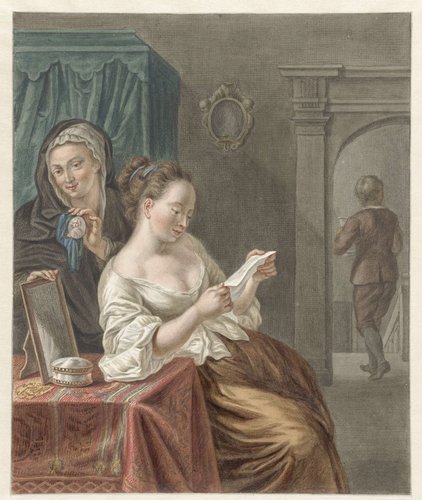
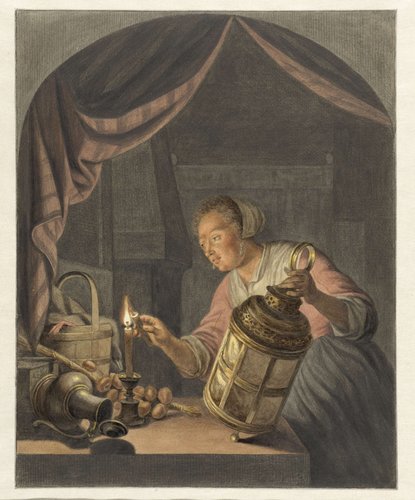
Throughout this period, Delfos continued his own artistic production. His engravings maintained consistent quality, demonstrating the patient craftsmanship required for reproductive printmaking. Each plate required weeks or months of meticulous work, systematically building up the image through countless precisely controlled lines.
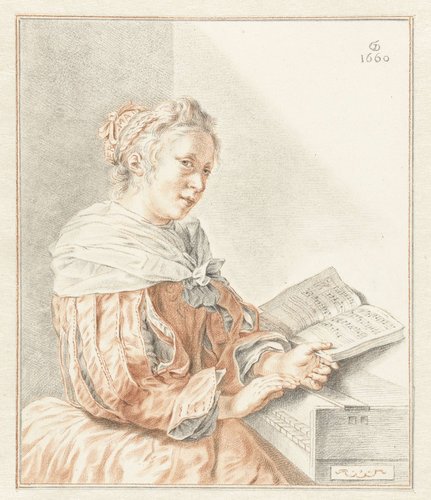
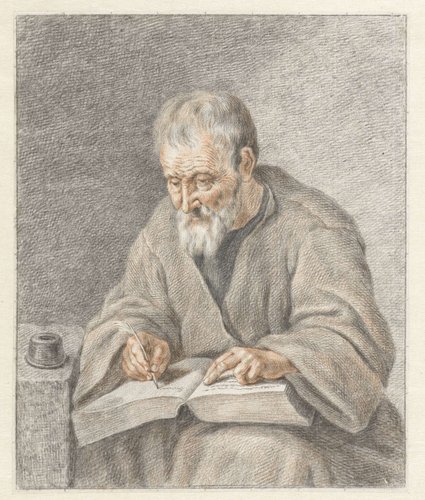
He also produced original drawings and paintings, though these appear to have been less central to his practice than his engravings. His drawing skills, essential for his engraving work, allowed him to create finished works in various media including pen and ink, chalk, and watercolor.
In 1799, Delfos's peers elected him president of Ars Aemula Naturae, Leiden's artistic society. This election, coming when Delfos was 68 years old, recognized his seniority, achievement, and standing within the artistic community. The society provided artists with mutual support, exhibition opportunities, and collective representation of their interests.
His presidency coincided with dramatic political changes in the Netherlands. The Batavian Republic (1795–1806), established under French influence, replaced the Dutch Republic. Subsequently, the Kingdom of Holland (1806–1810) was created with Napoleon's brother Louis as king, before annexation into the French Empire (1810–1813). Finally, the Kingdom of the Netherlands was established in 1815. Through all these upheavals, Delfos maintained his artistic and institutional roles, providing continuity in Leiden's cultural life.
Remarkably, Delfos continued producing engravings well into old age. Works are documented as late as 1807, when he was 76 years old—an extraordinary testament to his dedication and maintained skill. The physical demands of engraving, requiring steady hands, sharp eyesight, and sustained concentration, make such longevity in active practice particularly notable.
Abraham Delfos died in Leiden on July 13, 1820, at the age of 89. He had witnessed profound changes in art, politics, and society, yet maintained consistent dedication to his craft and to the preservation of Dutch artistic heritage through reproductive printmaking. His death marked the passing of a link to 18th-century artistic traditions and practices.
Artheon Research Team
Last updated: 2025-11-09
Biography length: ~1,312 words
Wikidata (CC0); Getty ULAN (ODC-By)