Ctrl K
1804–1860
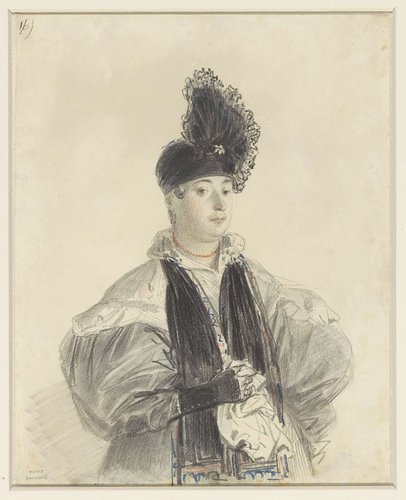
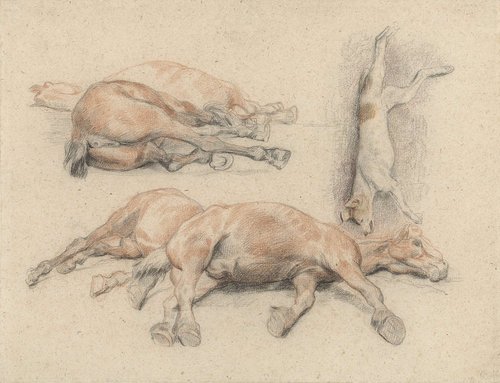
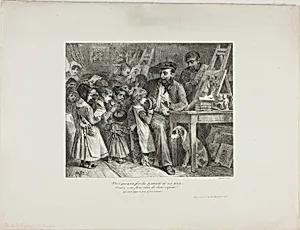
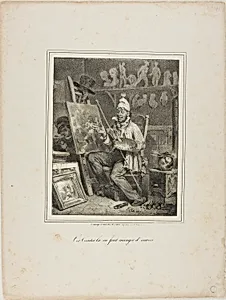
Denis Auguste Marie Raffet (1804–1860) was born in Paris and displayed an early aptitude for drawing, though his initial apprenticeship was to a wood turner. He pursued art through evening classes and, at age eighteen, joined the workshop of Cabanel as a porcelain painter, where he met Rudor, who taught him lithography. Raffet studied under Nicolas Toussaint Charlet from 1824 to 1829 and completed his training with the painter Antoine-Jean Gros before briefly attending the École des Beaux-Arts, ultimately favoring lithography by 1830.
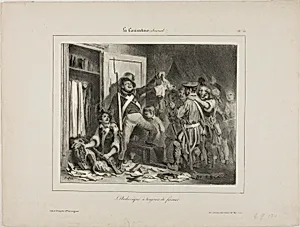
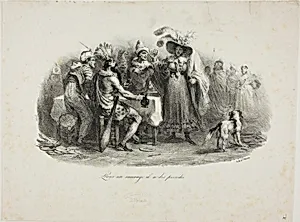
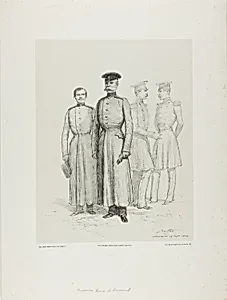
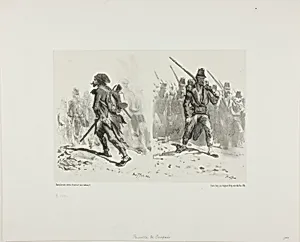
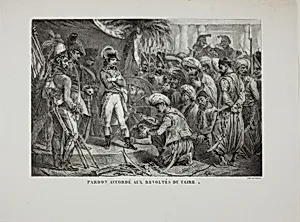
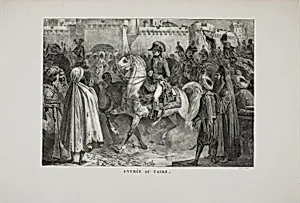
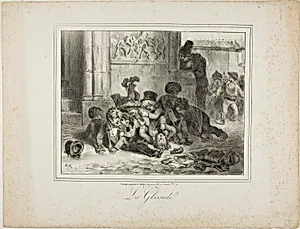
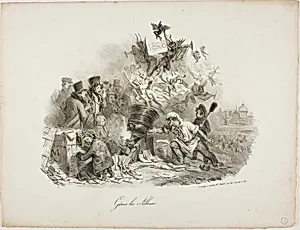
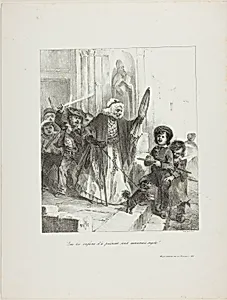
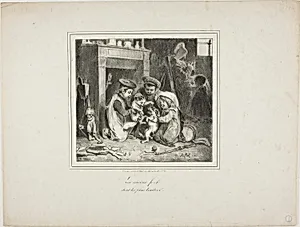
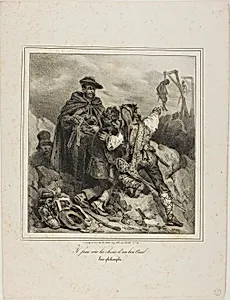
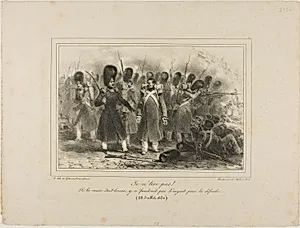
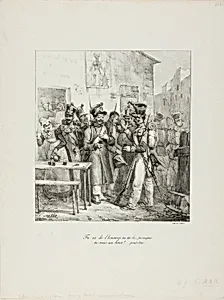
A master lithographer and illustrator in the Romantic tradition, Raffet worked alongside contemporaries like Charlet, Hippolyte Bellangé, and Horace Vernet, capturing the fervor of Napoleonic campaigns with vigorous, patriotic designs that romanticized battles and military life. His early breakthroughs included 1830 lithographs such as *Lützen*, *Waterloo*, *Le bal*, *La revue*, and *Les adieux de la garrison*, followed by illustrations for over forty-five volumes, among them Adolphe Thiers's *History of the Revolution*, de Norvins's *History of Napoleon* (co-illustrated with Vernet), Béranger's poems, and Walter Scott translations. Standout works feature *Marshal Ney at the Kowno Redoubt*, *Sape Volante* (1853), and the poignant *Crown Prosecution* (1831 lithograph in watercolor).
Raffet's career flourished through travels, including a 1837 expedition with patron Prince Anatole Demidov to southern Russia and Crimea, yielding illustrations for *Voyage pittoresque et archéologique en Russie* (1840–1848); he later documented the 1849 Siege of Rome and the 1859 Italian campaign under Napoleon III. Father to artist Auguste Raffet (1839–1910), who donated over 3,800 of his drawings and prints to the Bibliothèque Nationale, Raffet died in Genoa in 1860. His legacy endures as a vivid chronicler of French imperial glory, honored by a now-lost 1893 Louvre monument sculpted by Emmanuel Frémiet.