Ctrl K
1682–1739
Occupations
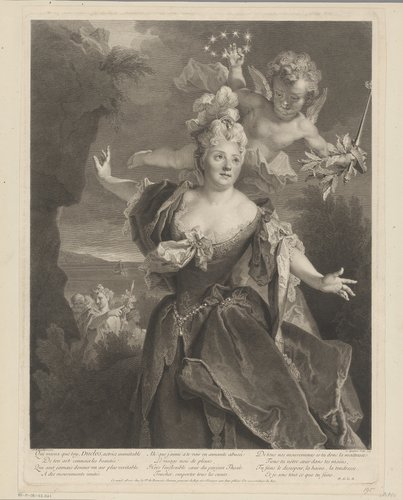
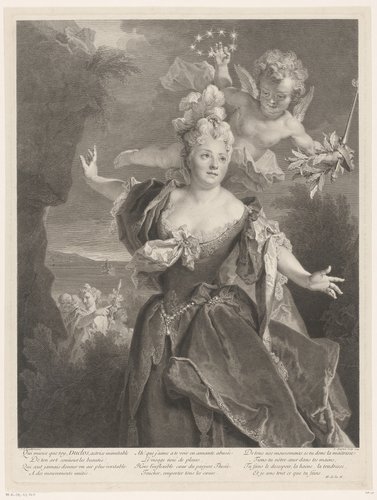
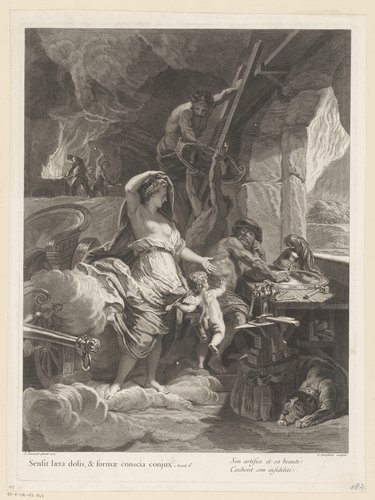
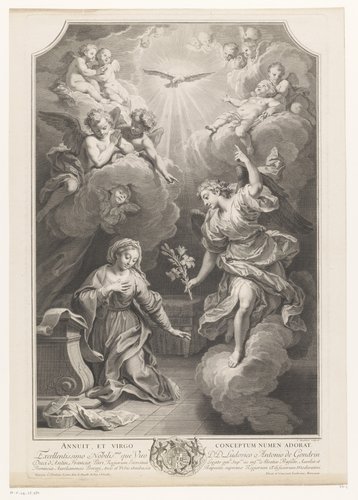
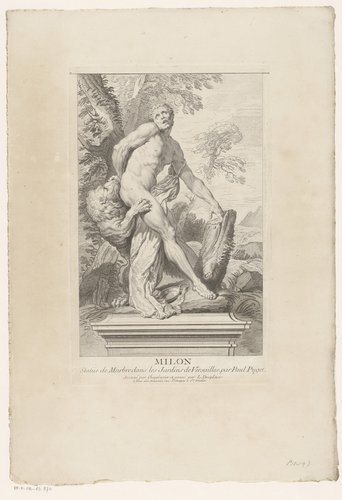
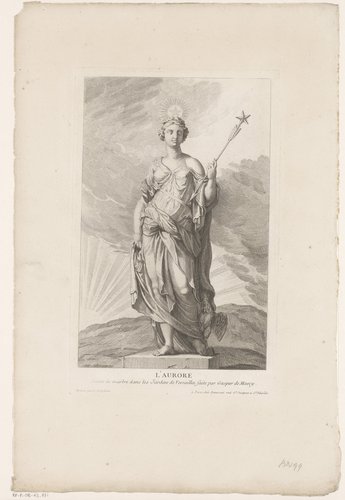
**Louis Desplaces (1682–1739)** was a prominent French engraver and skilled draughtsman, born and died in Paris. Active from 1702 to 1739, he trained in the school of Gérard Audran, the renowned engraver whose precise and supple burin technique profoundly influenced Desplaces's own style. This classical foundation positioned him as a masterful reproductive engraver, bridging the meticulous 17th-century traditions with the emerging Rococo elegance of the 18th century, though critics like Émile Dacier noted his stronger affinity to the prior era.
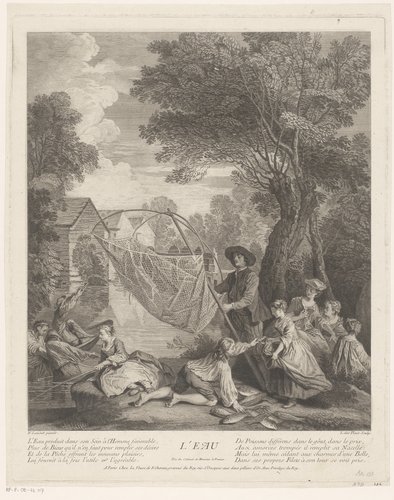
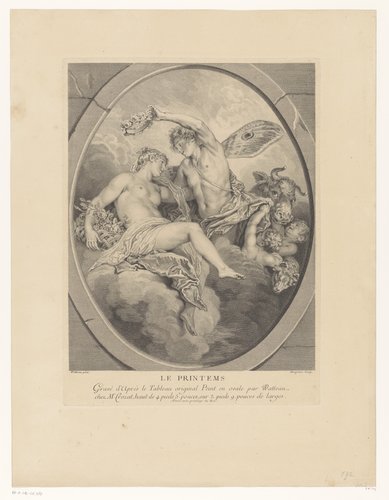
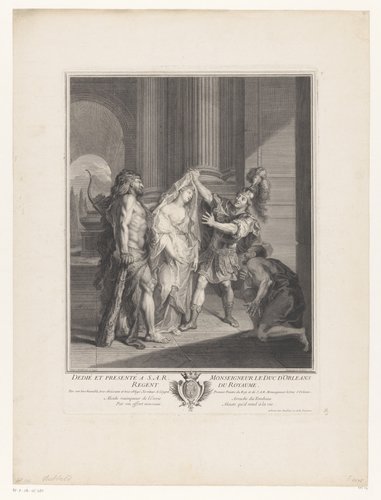
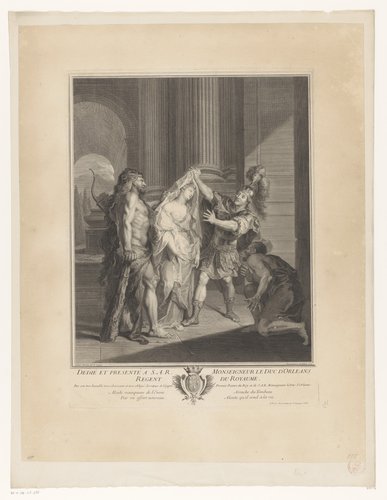
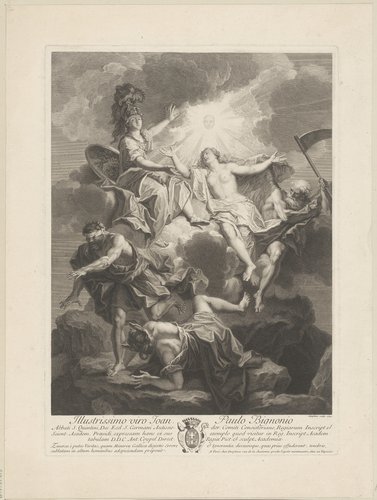
Desplaces excelled in interpretive engravings using burin and etching, producing around 75 to 82 sheets that captured the vitality of paintings by leading artists. He is particularly celebrated for his collaborations with Antoine Watteau, including engravings in the series *Figures françoises et comiques nouvellement inventées par M. Watteau*, *Figures de modes dessinées et gravées à l'eau-forte par Watteau, terminées au burin par Thomassin le fils*, *Charlotte Desmares jouant le rôle de pèlerine*, and *Dumirail en habit de paysan* (ca. 1710s). These works preserve Watteau's fêtes galantes with delicate linework and atmospheric depth, showcasing Desplaces's ability to translate painterly effects into print.
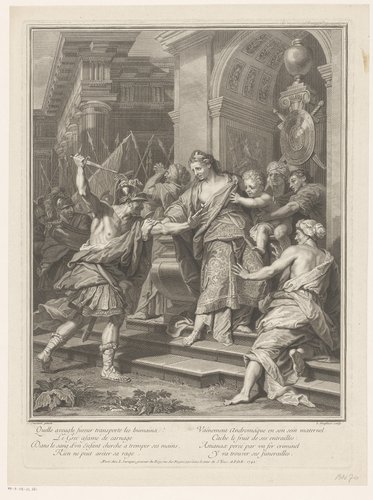
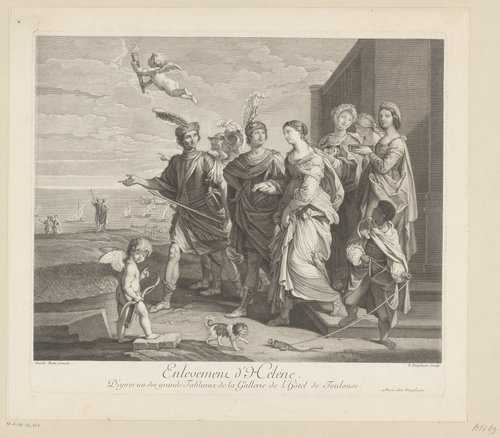
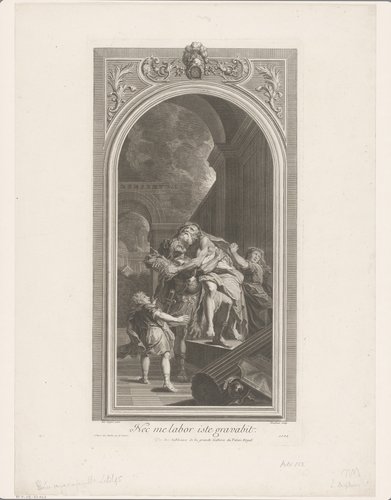
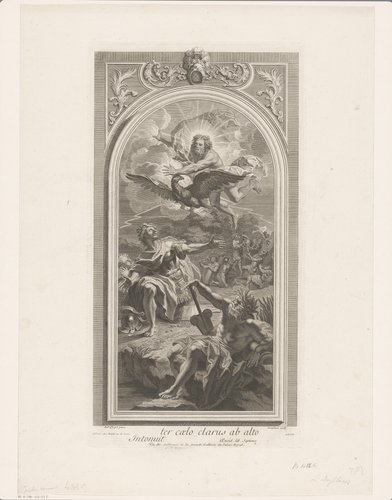
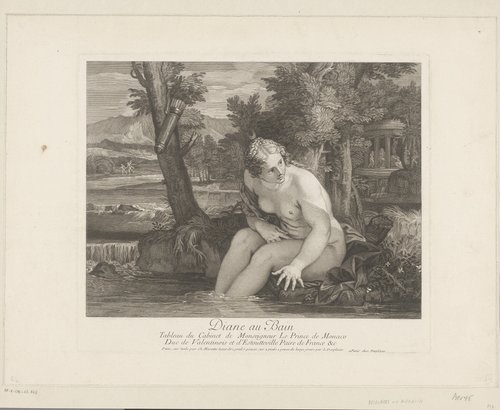
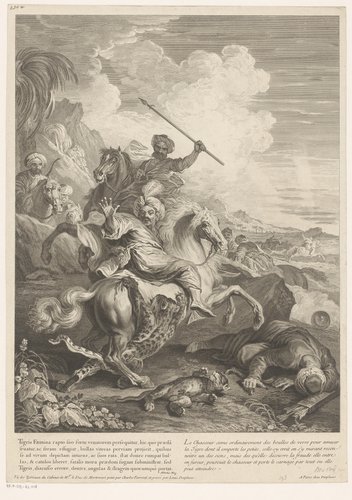
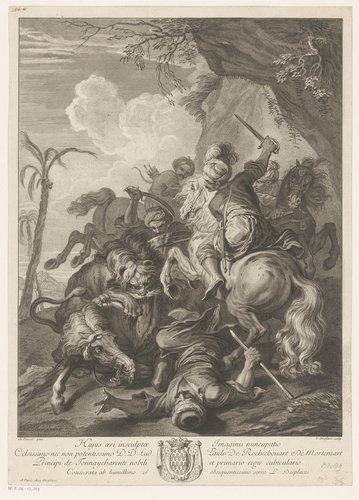
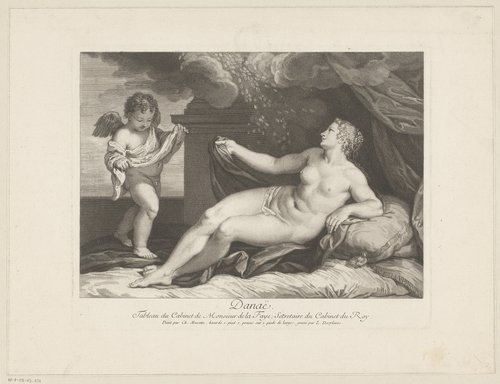
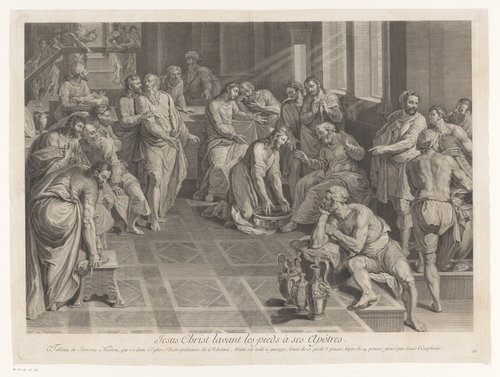
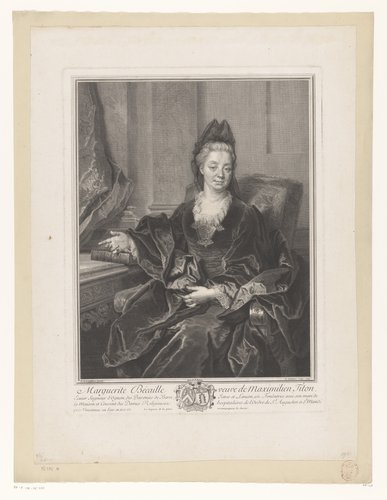
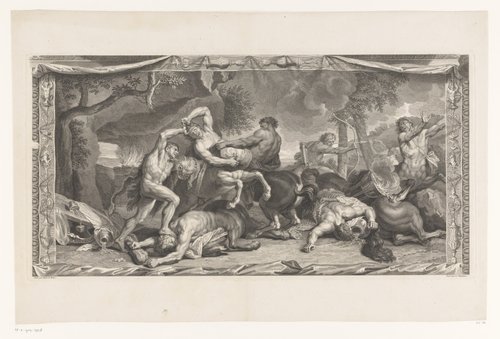
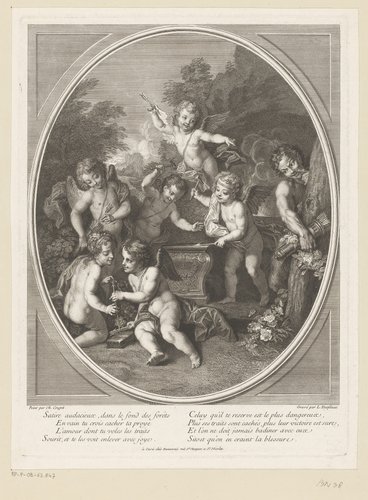
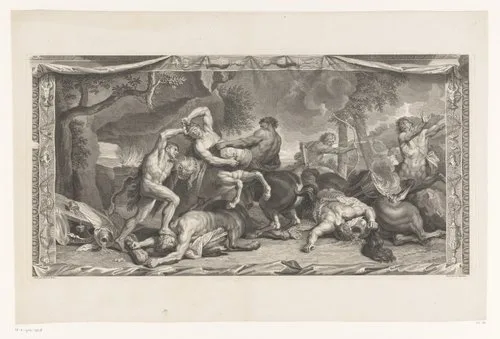
Beyond Watteau, Desplaces interpreted masters like Nicolas Fouché (*Faune et femmes endormies*, allegories of seasons), Antoine Coypel (scenes from the *Aeneid*, such as *Procession funèbre du prince Pallas*), Nicolas de Largillière (portraits), Charles Le Brun (*Le faste des puissances voisines de la France*, 1702), and others including Rubens, Veronese, and Titian (*Danaé*). His output graced prestigious collections like the Galerie du Palais Royal, Cabinet Crozat, and Recueil Jullienne, alongside frontispieces for Voltaire's *La Henriade* (1728). Desplaces's legacy endures in major institutions worldwide, including the Louvre, British Museum, and Metropolitan Museum of Art, where his technically virtuoso prints highlight the golden age of French engraving and its role in disseminating artistic innovation.
Wikidata (CC0); Getty ULAN (ODC-By)