Ctrl K
1500–1599
Domenico da Sera, also known as Domenico da Sera detto il Franciosino ("the Little Frenchman") or Dominique de Sera (Dominique da Celle), was a French designer and publisher active in the 16th century, whose innovative pattern books revolutionized embroidery and lace-making across Europe. A poem in one of his works reveals he was born in Toulouse and later domiciled in Italy, reflecting his transnational career that bridged French ingenuity with Italian printing prowess. His early life and artistic training remain not well documented, though his mastery of ornamental design suggests familiarity with Renaissance textile traditions popular among noblewomen and silk workers.
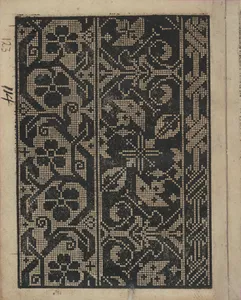
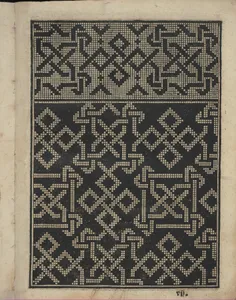
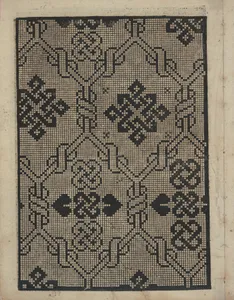
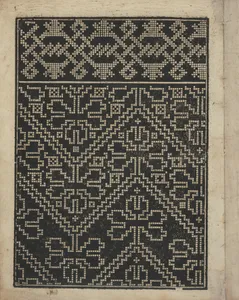
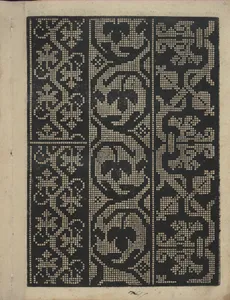
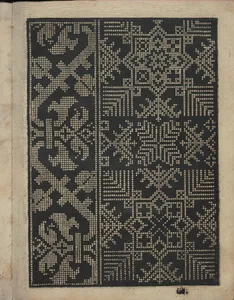
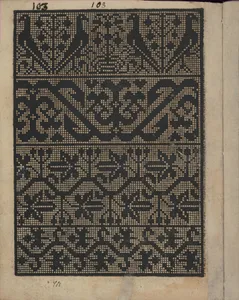
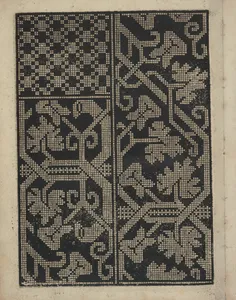
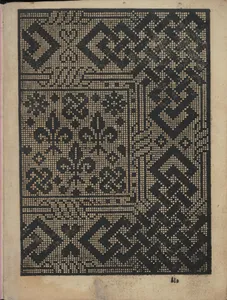
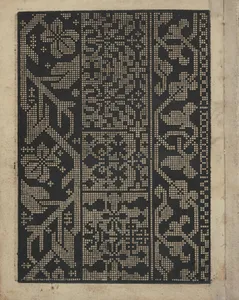
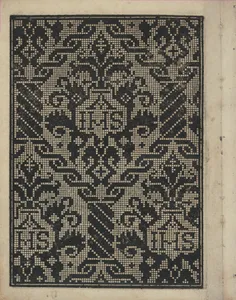
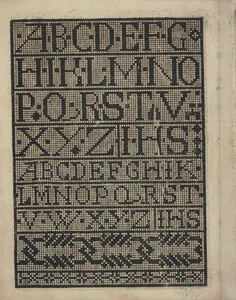
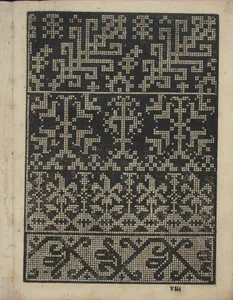
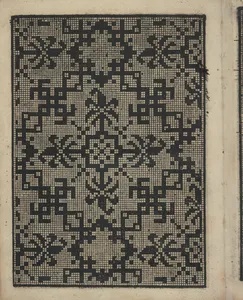
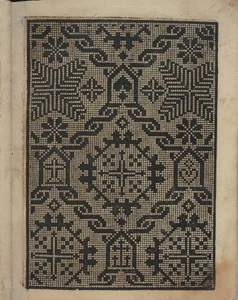
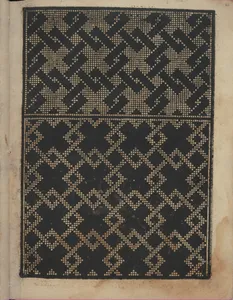
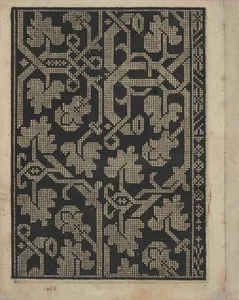
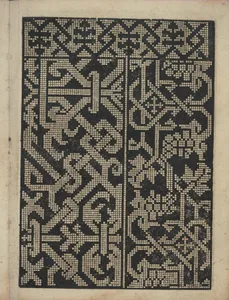
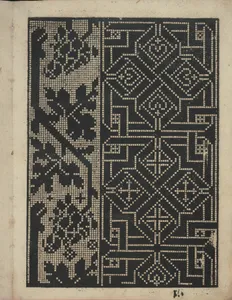
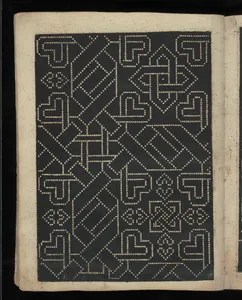
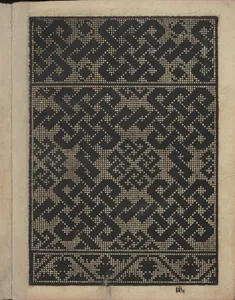
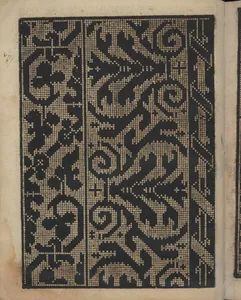
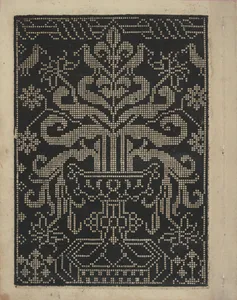
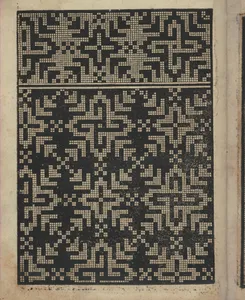
Da Sera's artistic style epitomized the ornate geometry and floral motifs of mid-16th-century Renaissance pattern books, featuring intricate interlocking lines, hexagons, diamonds, and elaborate blooms suited for cross-stitch, punto in aria lace, and other needlework techniques. He self-published his seminal *Libbretto nouellamete composto per maestro Domenico da Sera detto il Franciosino: dove si appare et insegna a tutte le nobili et leggiadre giovanette di lavorare di ogni sorte di punti* in Lyon on April 12, 1532, a woodcut-illustrated volume with over 40 pages of versatile designs for sewing, embroidering, and virtuous handiwork. The Metropolitan Museum of Art holds 44 prints from this book (inv. 35.79.1-43), preserving its title page, instructional verses, and patterns adorned with motifs like IHS monograms and carnations. He followed with *Opera nova composta per Domenico da Sera detto il Franciosino* (Venice, 1546, printed by Matteo Pagano), expanding on these themes for tessadri (silk weavers).
Da Sera's legacy endures as a pioneer of accessible pattern books, democratizing sophisticated designs for "noble and graceful young ladies" and fueling the print revolution in textiles from 1520–1620. His works influenced later publications, such as those by Vinciolo, and remain invaluable for reconstructing Renaissance embroidery, where geometric elegance met practical virtuosity. Though exact lifespan details evade records—spanning roughly 1500–1599—his contributions elevated needle arts from craft to cultured pursuit, adorning wardrobes and homes with enduring refinement.