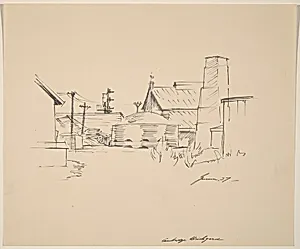
Donald Carlisle Greason (1897–1981) was an American artist born on July 14 in Brooklyn, New York. Little is documented about his early life, but he pursued formal training at the Art Students League in New York, where he honed his skills in drawing and painting. In Paris, he shared a studio with the renowned sculptor Alexander Calder, forging a notable artistic connection during this formative period abroad.
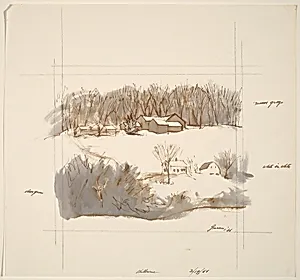
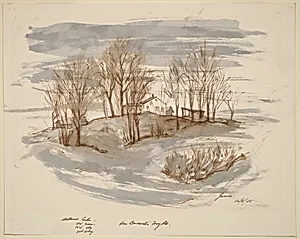
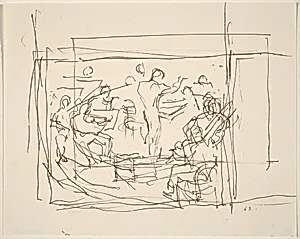
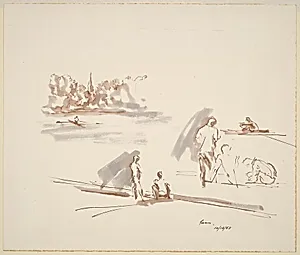
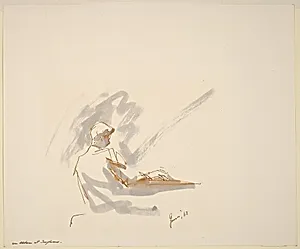
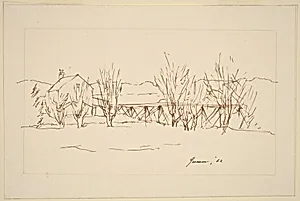
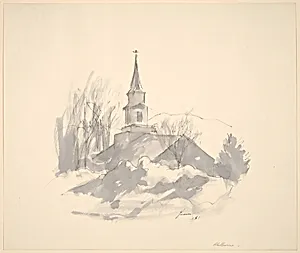
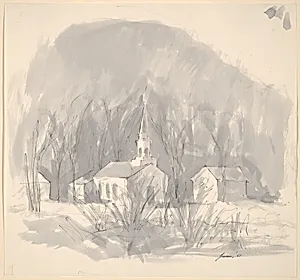
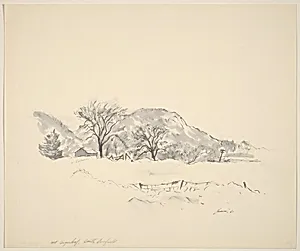
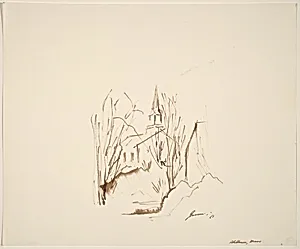
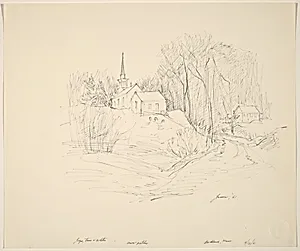
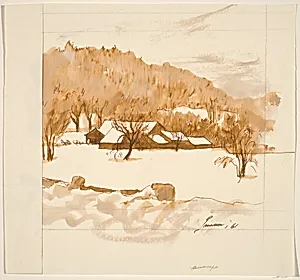
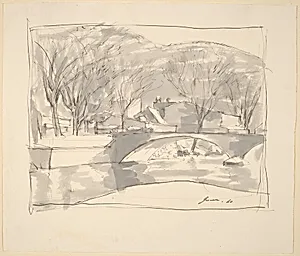
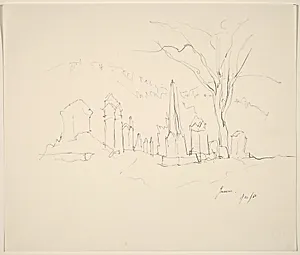
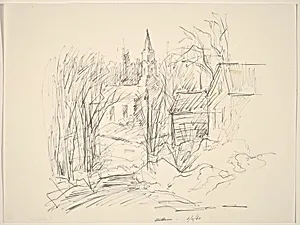
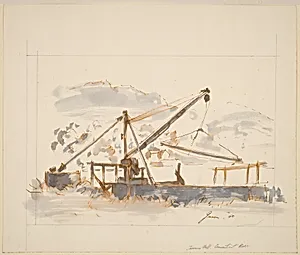
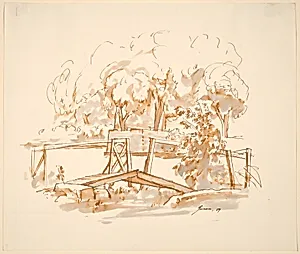
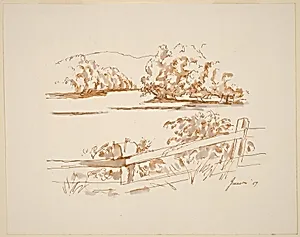
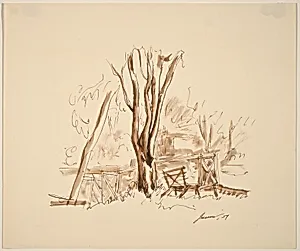
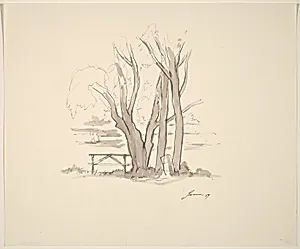
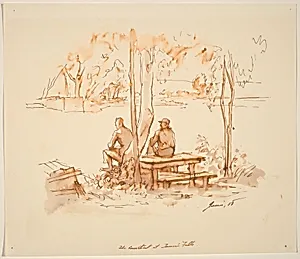
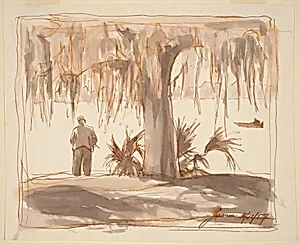
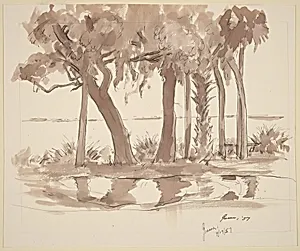
Greason's style encompassed genre scenes, musicians, landscapes—particularly evocative snow scenes—and intricate drawings, often executed in pen and ink with wash. He gained prominence for his dynamic series of studies depicting the Boston Symphony Orchestra musicians in action, capturing their intensity and rhythm with expressive lines and subtle shading. Other significant works include murals commissioned for Harvard University's athletic association, such as "Study #1, Harvard Pool" and boxing scenes like "Shadow Boxing at Sharkey's," as well as landscapes like "Shelburne Falls, Mass – The Deerfield River" (1950), "Rocky Neck East Gloucester" (1955), and "Bridge and Trees" (1959). His oeuvre also features vivid Gloucester coastal views and athletic subjects, blending realism with a lively, observational precision.
In his career, Greason directed the Artist's Gallery in New York City, helping to launch talents like Thomas Hart Benton, and served as artist-in-residence at Deerfield Academy in Massachusetts and Rollins College in Florida. He spent much of his later life in East Colrain, Massachusetts, and Winter Park, Florida, continuing to produce works that entered prestigious collections. The National Gallery of Art holds 86 of his pieces, underscoring his enduring legacy as a chronicler of American musical, athletic, and rural life through meticulous draftsmanship and atmospheric painting.