Ctrl K
Dorothy Dehner (1901–1994) was an American sculptor and printmaker whose distinctive artistic voice emerged fully only in midlife, following decades of work that had been overshadowed by her marriage to the prominent sculptor David Smith. Born in Cleveland, Ohio, Dehner studied at the Art Students League in New York, where she met Smith, and the two became central figures in the circle of American avant-garde artists in the 1930s and 1940s. Despite her talent and seriousness of purpose, her own artistic development was constrained during the years of that marriage, and it was only after their divorce in 1952 that she began to create the work for which she would become celebrated.
Dehner's mature sculpture is characterized by a deeply personal symbolic language drawing on myth, memory, and the natural world. Working initially in bronze, she created totemic, vertical forms that suggested ancient ritual objects or mysterious presences from some interior landscape. Her works often incorporated ladder-like or stacked elements, referencing spiritual ascent and the structures of the unconscious. Later in her career she also worked in Cor-Ten steel and wood, demonstrating formal versatility alongside her consistent symbolic concerns.
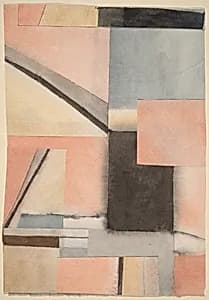
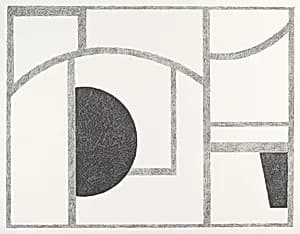
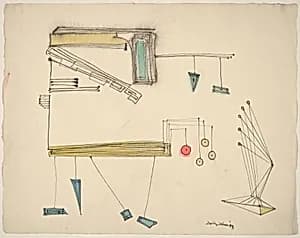
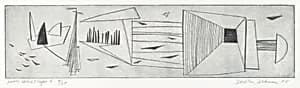
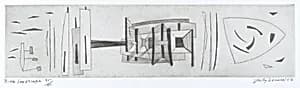
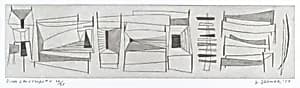
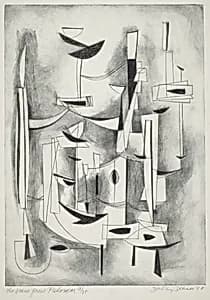
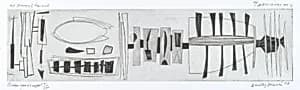
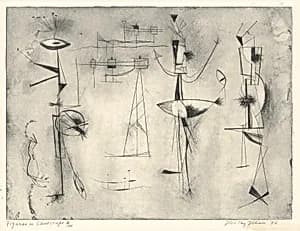
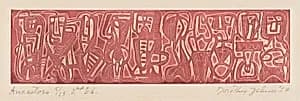
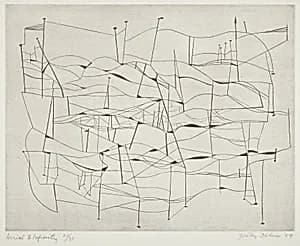
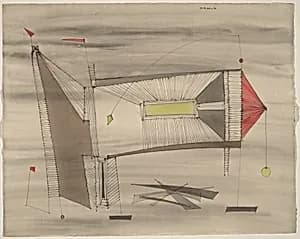
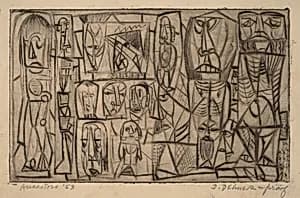
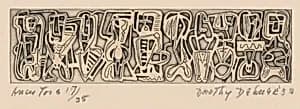
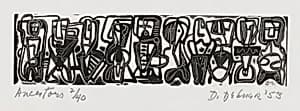
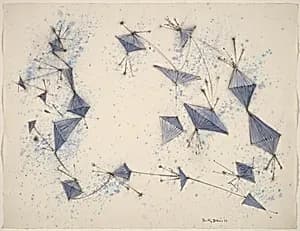
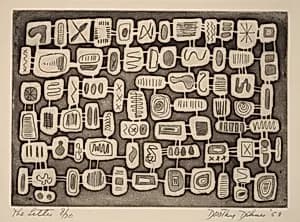
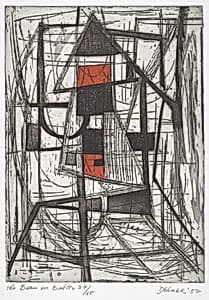
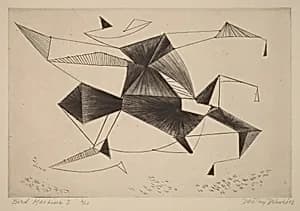
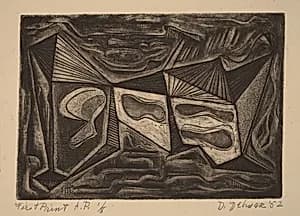
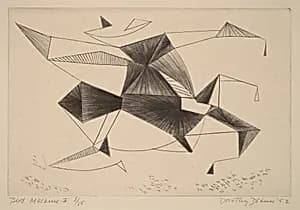
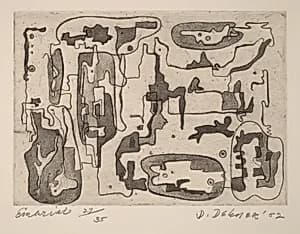
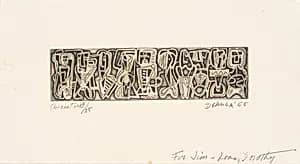
As a printmaker, Dehner produced etchings and other works on paper that explored similar themes with a delicacy suited to the intimate scale of the medium. Her graphic work has been recognized as an important complement to her sculpture, sharing the same poetic sensibility.
Dehner's career is now recognized as a significant chapter in the history of American abstraction, and her work is held in major museum collections. Her story has also contributed to broader scholarly conversations about gender and recognition in the mid-twentieth-century art world, making her an important figure in both artistic and historical terms.