Ctrl K
1855
Dorothy Posten was an American artist active during the mid-1930s, best known for her meticulous contributions to the Index of American Design, a Federal Art Project initiative under the Works Progress Administration (WPA). Launched in 1935, this ambitious endeavor employed artists across the United States to document the nation's folk art, crafts, and decorative traditions through detailed renderings. Posten, based on the available records, participated around 1935–1937, producing watercolor, gouache, graphite, and occasionally pen-and-ink drawings on paperboard that captured the essence of everyday American objects with scientific precision.
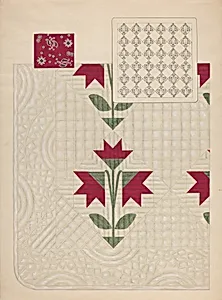
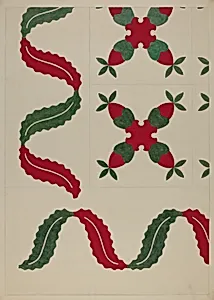
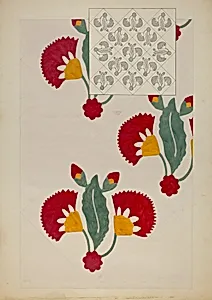
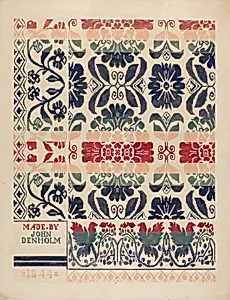
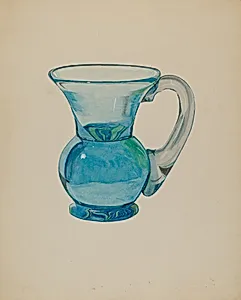
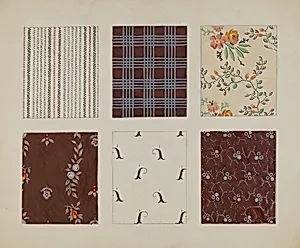
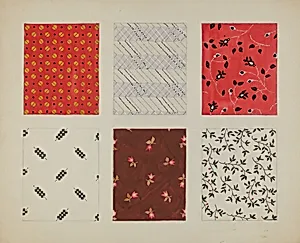
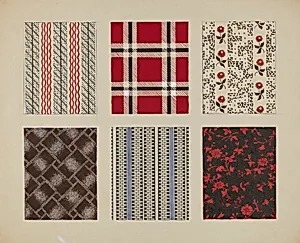
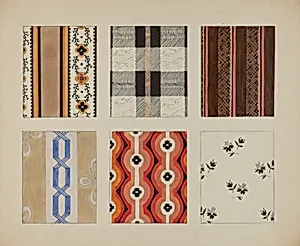
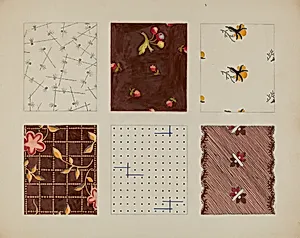
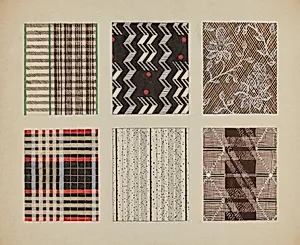
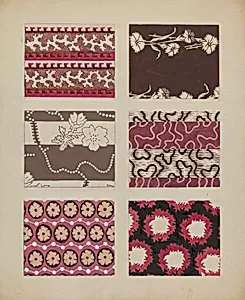
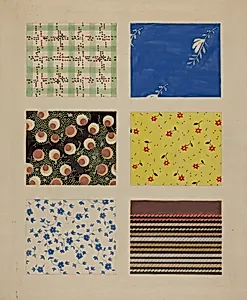
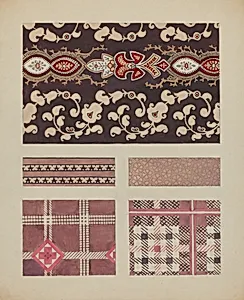
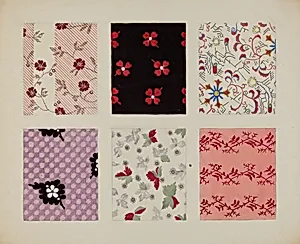
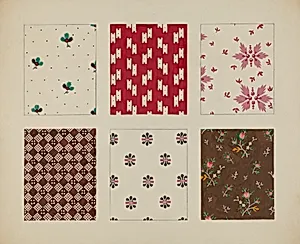
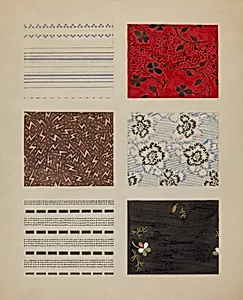
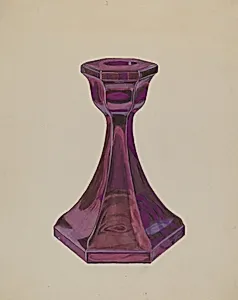
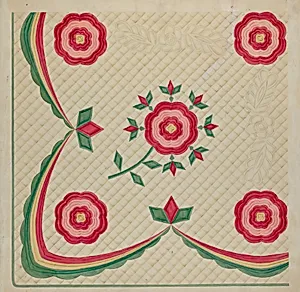
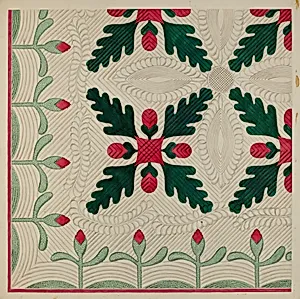
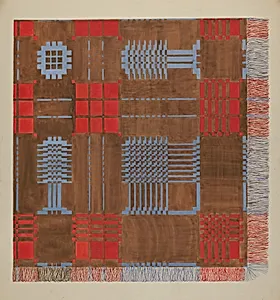
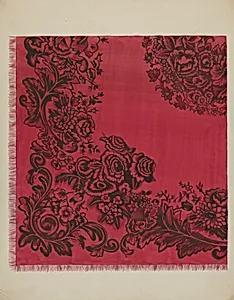
Little is known about Posten's early life, training, or formal artistic education, as biographical details remain sparsely documented. Her style aligned with the Index's documentary goals: hyper-realistic depictions that highlighted textures, colors, patterns, and craftsmanship without embellishment. Among her major works in the National Gallery of Art's collection of 52 pieces are *Quilt* (c. 1937), showcasing pieced fabric blocks in vibrant geometrics; *Materials from Quilt* (multiple variants, c. 1936–1937), studies of fabrics with intricate stitching; *Plate* (c. 1936), a luminous ceramic form; *Butter Dish* (c. 1936); and *Coverlet* (c. 1937), a woven textile rendered in subtle tonal shifts. These pieces exemplify her skill in translating three-dimensional objects into two-dimensional art, preserving motifs from quilts, pottery, glassware, and furniture that reflected regional American traditions.
Posten's legacy endures through the enduring value of the Index of American Design, now housed primarily at the National Gallery of Art. Her renderings not only archived vanishing crafts during the Great Depression but also educated future generations on America's vernacular design heritage. By immortalizing humble items like miniature cups, flasks, and table covers, she bridged art and anthropology, influencing mid-20th-century appreciation for folk aesthetics. Today, her precise illustrations serve scholars, designers, and museum visitors, underscoring the WPA's role in sustaining cultural memory amid economic hardship.