Ctrl K
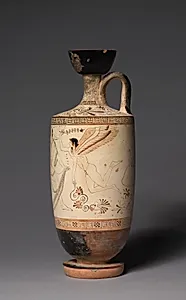
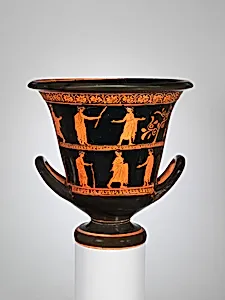
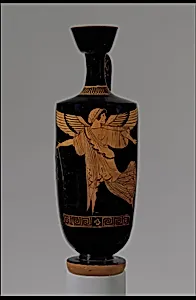
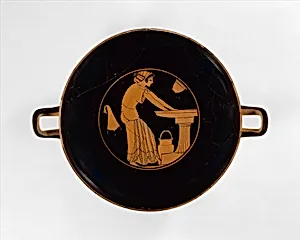
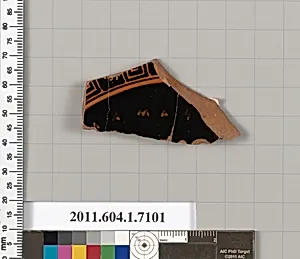
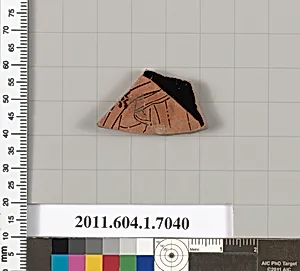
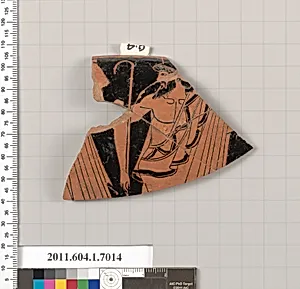
Douris, an Athenian red-figure vase-painter and potter, flourished from around 500 to 460 BCE during the transition from Archaic to early Classical art.) One of the most prolific artists of his era, he signed approximately 39 vases as painter, one as both painter and potter, and one as potter alone, with scholars attributing between 250 and 300 additional works to his hand based on stylistic analysis.) Primarily a decorator of kylikes (drinking cups), Douris occasionally worked on other shapes like psykters (wine coolers) and pyxides. His early career involved painting for renowned potters Kleophrades and Euphronios, followed by a long partnership with Python, who produced most of his cups.)
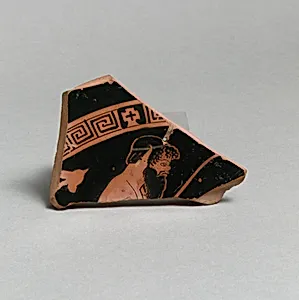
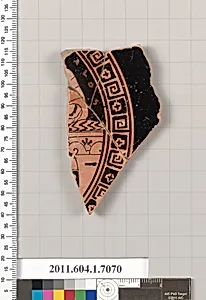
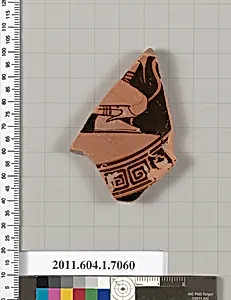
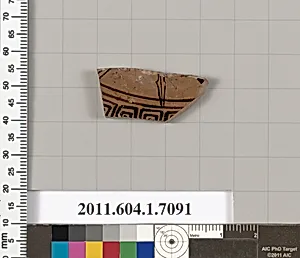
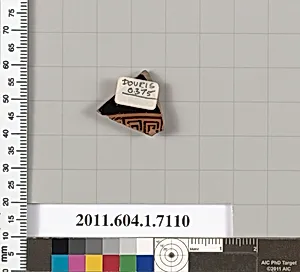
John Beazley divided Douris's oeuvre into four stylistic periods, marked by evolving subsidiary decoration, kalos inscriptions praising handsome youths (such as "Chairestratos," "Hippodamas," and "Polyphrasmon"), and shifts in figural drawing. His red-figure technique showcased crisp lines, fine draftsmanship, and dynamic compositions, often featuring symposia, komoi (revels), warriors, athletes, school scenes, and mythological narratives reinterpreted with emotional depth.) Characteristic details include a hooked inner collarbone in Period 2 and alternating meander-and-square borders in Period 3. Douris may have shared a workshop with Onesimos early on, as suggested by overlapping ornamentation.)
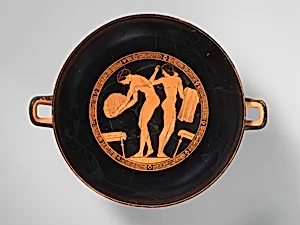
Among his masterpieces is a kylix in the Vatican Museums (ca. 480–470 BCE) depicting Jason regurgitated by the dragon guarding the Golden Fleece, with Athena nearby; a psykter in the British Museum showing drunken satyrs in grotesque intoxication; the poignant "Pieta of Memnon" cup in the Louvre (G 115, ca. 490–480 BCE), where Eos cradles her slain son; and a tondo of Peleus abducting the shape-shifting Thetis (Bibliothèque nationale de France). A Metropolitan Museum kylix (ca. 480–470 BCE) captures intimate moments, like a man propositioning a youth amid athletic gear, and schoolroom interactions on the exterior.)
Douris's influence extended widely, shaping subsequent cup painters who imitated his style—and even his signature. His vases, many excavated from Etruscan tombs like those at Vulci and Cerveteri, preserve vivid glimpses of Athenian life and myth, bridging Archaic exuberance with Classical restraint and underscoring the pinnacle of Attic red-figure mastery.