Ctrl K
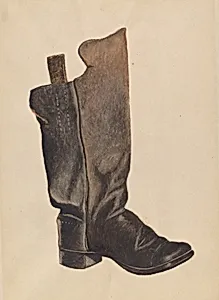
1855
Earl Butlin was an American artist active around 1935, best known for his contributions to the Index of American Design, a New Deal-era Federal Art Project initiative that employed hundreds of artists to create a comprehensive pictorial survey of American crafts, folk art, and decorative objects from the colonial period through 1900. His early life is not well documented, with no records of formal training, teachers, or art school affiliations emerging from available sources. Instead, Butlin’s surviving output consists of highly precise watercolor and graphite renderings that capture the textures, forms, and historical details of everyday American artifacts with documentary fidelity.
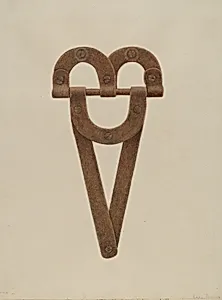
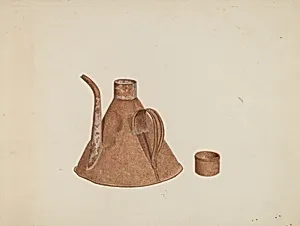
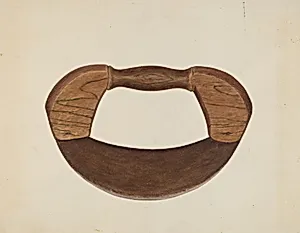
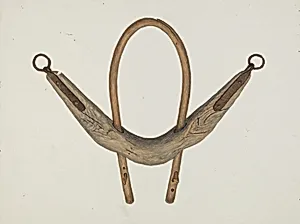
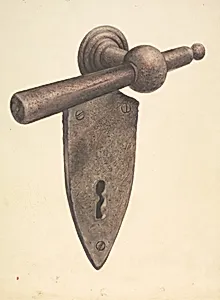
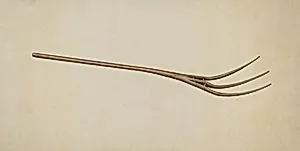
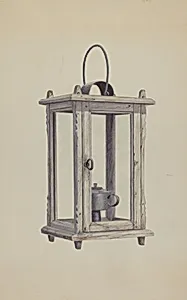
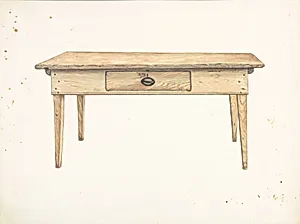
Working in the tradition of the Index of American Design, Butlin produced meticulous studies of tools, furniture, and household items that emphasized accurate representation over personal expression. These works, typically executed in watercolor and graphite on paper or paperboard, reflect the project’s goal of preserving a visual record of vanishing American material culture. Among his notable pieces are *Child’s Boot* (c. 1937), *Baker’s Table* (c. 1937), *Lantern* (c. 1937), *Metal Door Lock* (c. 1937), *Oxen Yoke* (c. 1937), *Pitch Fork* (c. 1937), *Oil Can with Spout* (c. 1938), *Food Chopper* (c. 1938), and *Hinge* (c. 1938). Each rendering isolates the object against a plain background, highlighting craftsmanship and wear with scientific clarity.
Butlin’s nine known works form part of the National Gallery of Art’s Index of American Design collection, which comprises more than 18,000 such watercolors created between 1935 and 1942. Though the Index artists, including Butlin, remain lesser-known than other Federal Art Project participants because their role was primarily documentary, their collective effort created an invaluable archive of American design history. Today these images continue to serve scholars, designers, and the public as a window into the nation’s folk and decorative arts heritage.