Ctrl K
1869–1947
Edith Magnette was an American artist who contributed to the Index of American Design during the late 1930s and early 1940s, one of the New Deal's most ambitious cultural programs. Operating under the Works Progress Administration's Federal Art Project, the Index employed artists across the United States to produce meticulous watercolor renderings of American decorative arts and material culture from the colonial period through the nineteenth century. Magnette brought her skills to this collective effort, creating careful documentary drawings of objects that preserve a visual record of everyday American craftsmanship.
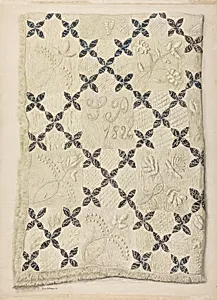
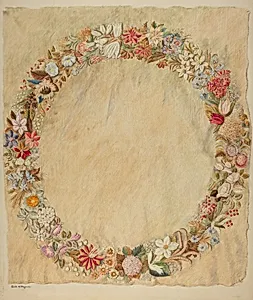
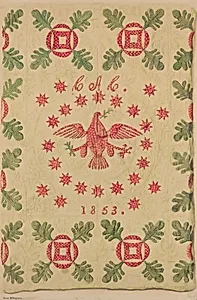
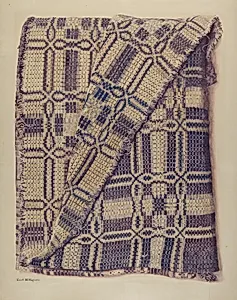
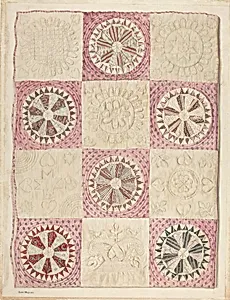
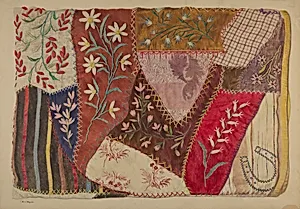
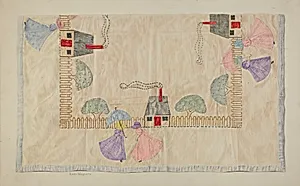
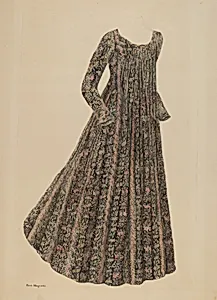
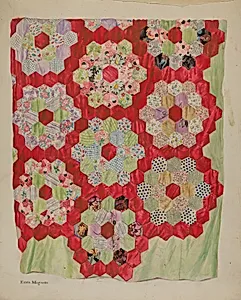
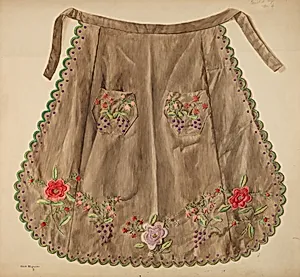
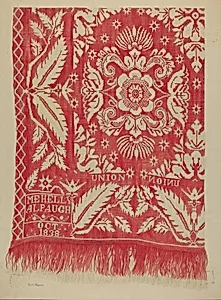
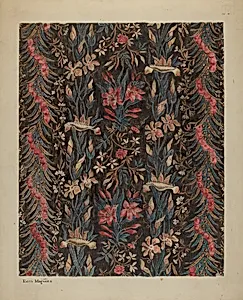
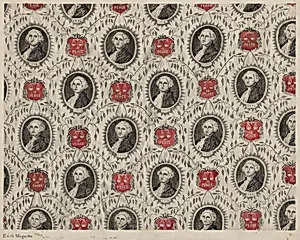
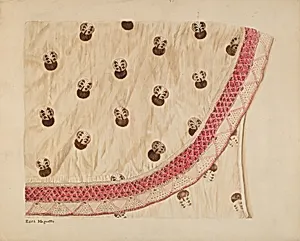
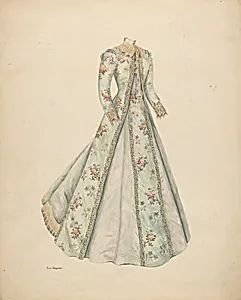
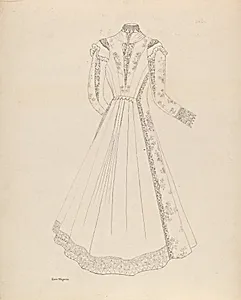
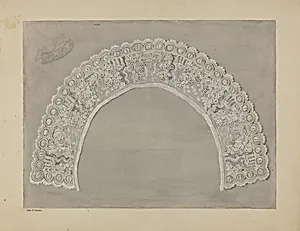
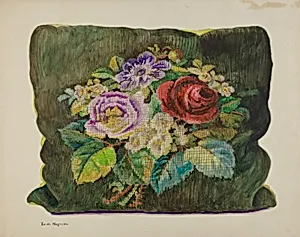
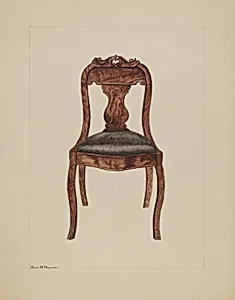
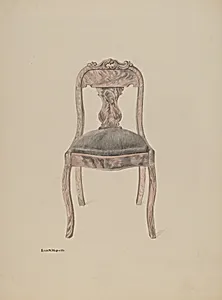
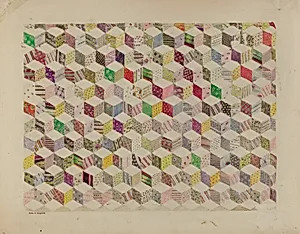
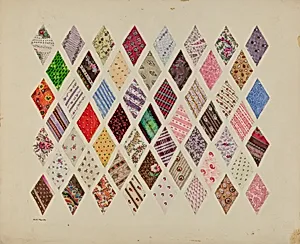
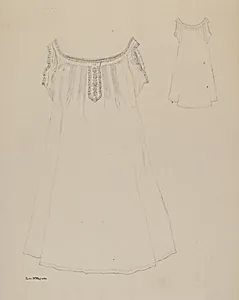
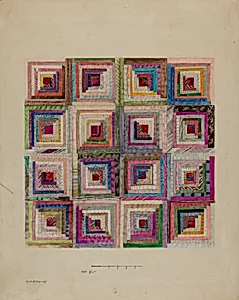
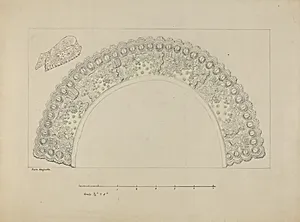
Magnette's contributions to the Index concentrated on domestic textiles and furnishings. Her surviving works in the National Gallery of Art's collection include renderings of quilts—among them a Crazy Quilt and a Patchwork Quilt—as well as woven coverlets, crewel embroideries, table covers, and a Fiddle-back Chair, executed in watercolor and graphite between approximately 1939 and 1943. Each piece reflects the Index's demanding standard of fidelity: artists were expected to replicate the color, pattern, material character, and surface qualities of their subjects with documentary precision, creating images that could serve scholars and designers as reliable surrogates for the objects themselves.
The range of Magnette's subjects—from the intricate pieced geometry of quilts to the structural elegance of vernacular furniture—suggests a broad familiarity with American decorative traditions. A decorative bowl titled Sinking of the Maine (c. 1936) recorded in connection with her name further indicates that she worked in other modes as well, engaging with the patriotic and commemorative objects that formed an important part of nineteenth-century American material culture.
Although detailed biographical records for Magnette remain limited, her preserved works in the National Gallery of Art stand as evidence of her skill and her role in one of the largest state-sponsored art documentation projects in American history. The Index as a whole produced nearly 18,000 renderings, and Magnette's careful studies of quilts and textiles contribute to one of its most visually rich and historically important sections.