Ctrl K
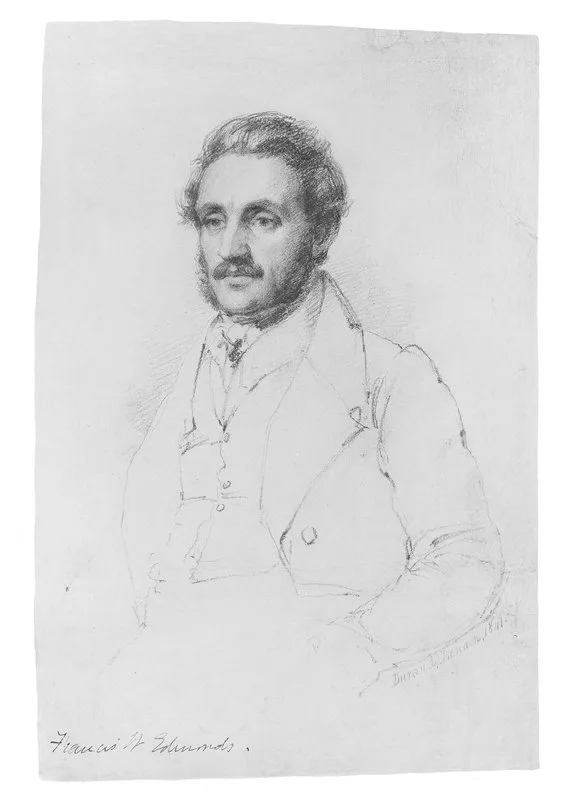
1806–1863
Occupations
Francis William Edmonds, born on November 22, 1806, in Hudson, New York, into a prominent Quaker family as the seventh child of storekeeper and public servant Samuel Edmonds and Lydia Worth Edmonds, displayed remarkable artistic talent from youth. After Quaker schooling and farm work, he entered banking in 1823 as a clerk at the Tradesmen's Bank in New York City under his uncle Gorham Worth, a path that defined his dual career. From 1826, he attended night classes at the National Academy of Design as a "student of the antique," honing his skills alongside his banking duties without formal apprenticeship under a specific master. By 1830, he served as cashier at the Hudson River Bank before returning to New York for influential roles, including cashier at the Mechanics' Bank and co-founder of the New York Clearing House.
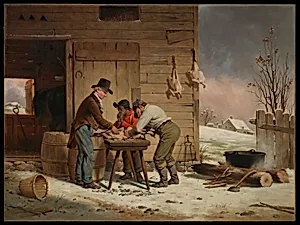
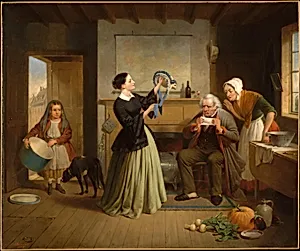
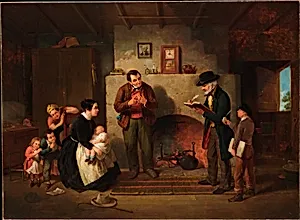
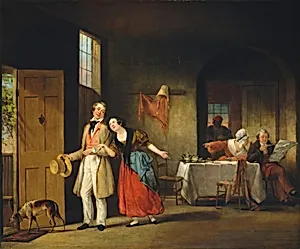
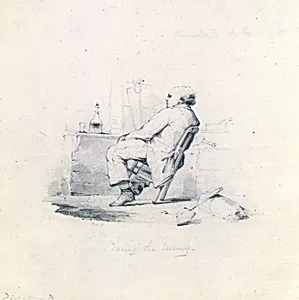
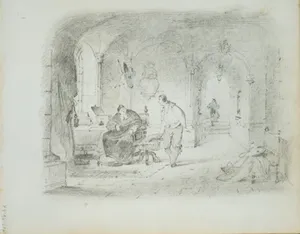
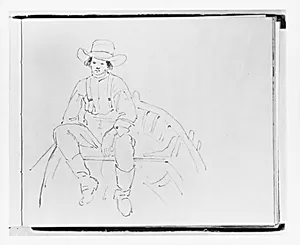
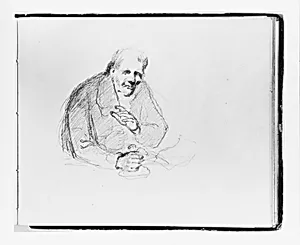
Edmonds's art emulated the intimate, humorous genre scenes of 17th-century Dutch masters, infused with literary allusions and everyday American life, evolving toward rural themes after 1854. He exhibited debut work *Sammy the Tailor* pseudonymously in 1836 at the National Academy, becoming an associate in 1838 and academician in 1840. Key paintings include *Dominie Sampson* (1837), *The Penny Paper* (1839), *Sparking* (1840), *Stealing Milk* (1843), *Courtship in New Amsterdam* (1850), *Preparing for Christmas (Plucking Turkeys)* (1851), *All Talk and No Work* (1855–1856), *Bargaining* (1858), and *The New Bonnet* (1859). A 1840–1841 European tour with Asher Durand and others, prompted by his first wife Martha Norman's death, enriched his vision; he remarried Dorothea Lord in 1841, raising a large family including children from his prior marriage.
In later years, Edmonds shifted to banknote engraving, founding companies and developing his Bronxville estate "Crow's Nest" after 1850, while sustaining art through institutions like the American Art-Union. His legacy endures as a pioneer of accessible American genre painting, blending homespun humor with moral undertones that captivated mid-19th-century audiences, his business acumen securing patronage and respect in artistic circles.
Wikidata/Wikimedia Commons