Ctrl K
1868–1940
Édouard Vuillard (1868–1940) was a French painter and printmaker whose intimate, pattern-saturated domestic interiors place him among the most distinctive voices of the Post-Impressionist era. Born in Cuiseaux and raised in Paris, he studied at the École des Beaux-Arts and the Académie Julian, where he formed friendships with Pierre Bonnard, Maurice Denis, and other young painters who would coalesce around the Nabis movement, a group united by a belief in painting as a flat arrangement of form and color charged with symbolic or emotional meaning.
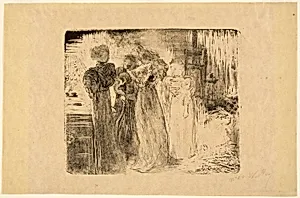
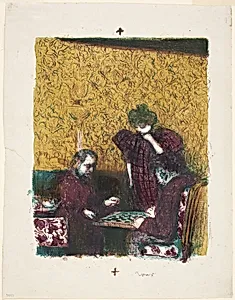
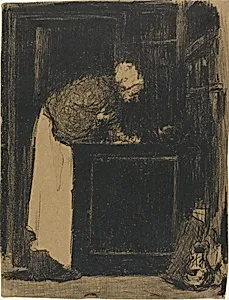
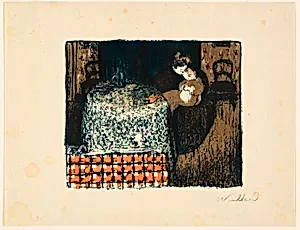
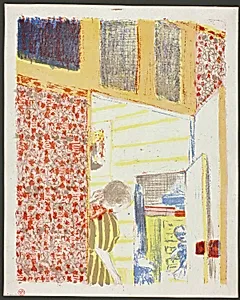
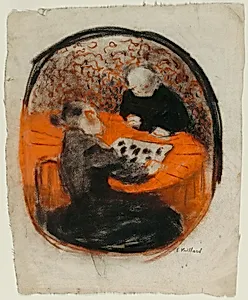
Vuillard developed an intensely personal style in which human figures — almost always family members, friends, or bourgeois Parisian women — are embedded within and half-dissolved by their surroundings. Patterned wallpapers, upholstery, rugs, and garments weave together into dense visual textures in which the boundary between person and environment becomes delightfully ambiguous. This quality, sometimes called his 'intimisme,' transforms the domestic interior into a space of mystery and psychological depth. Working on a small scale with distemper paint on cardboard as well as oil on canvas, he achieved surfaces of extraordinary matte richness.
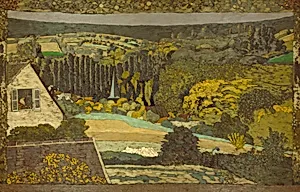
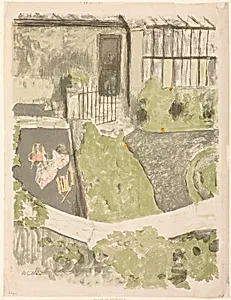
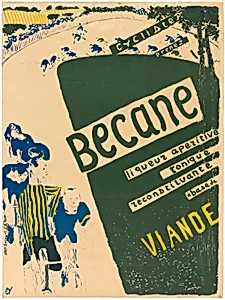
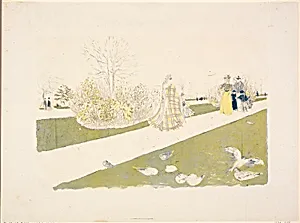
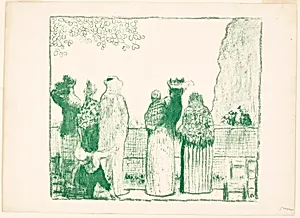
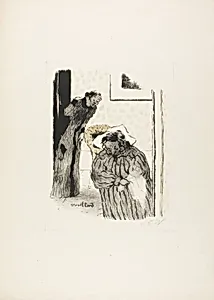
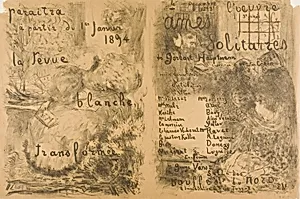
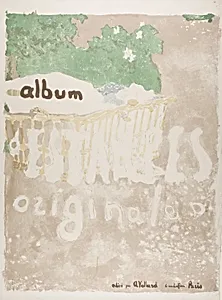
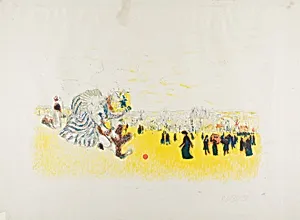
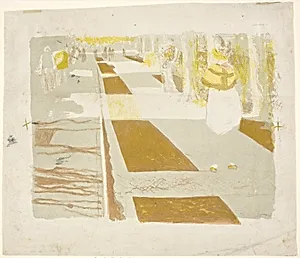
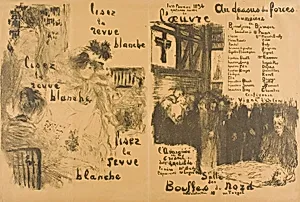
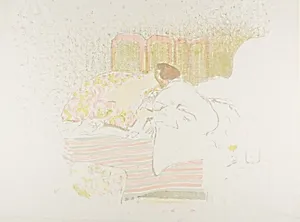
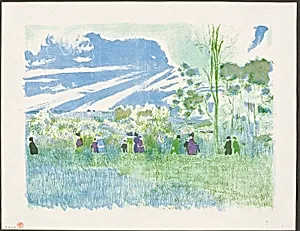
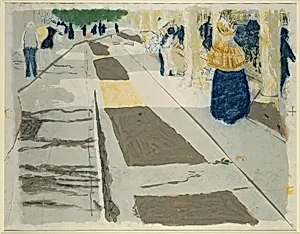
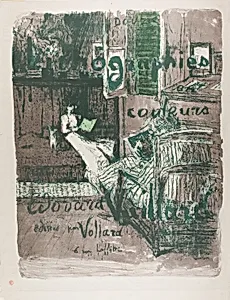
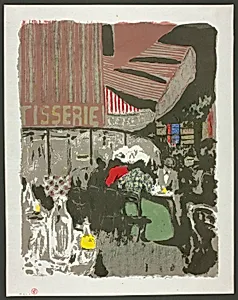
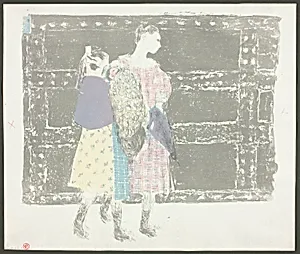
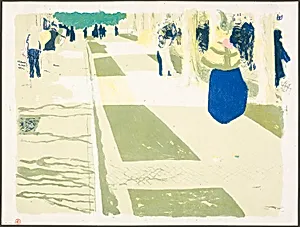
Among his best-known works are the large decorative panels he executed for private patrons, including the Natanson family — editors of the influential Revue Blanche — and later commissions for the Palais de Chaillot and the Comédie-Française. His prints, particularly the color lithographs produced in the 1890s, are considered among the finest achievements of that medium in the period.
Vuillard's reputation, somewhat eclipsed in his later years as his style grew more conventional, has been comprehensively restored by scholarship and retrospectives. He is now recognized as a master of a quietly radical vision: one in which the everyday domestic world becomes a site of shimmering, inexhaustible visual pleasure.