Ctrl K
1824–1892
Occupations
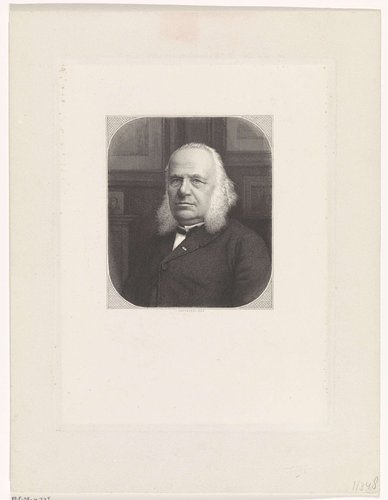
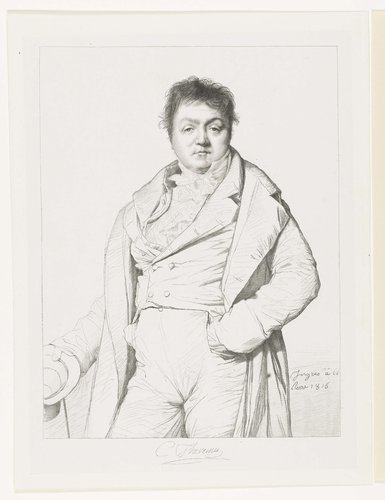
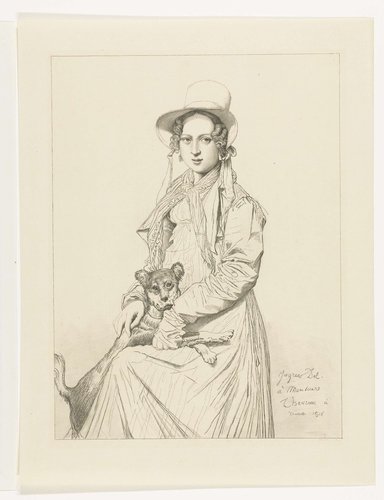
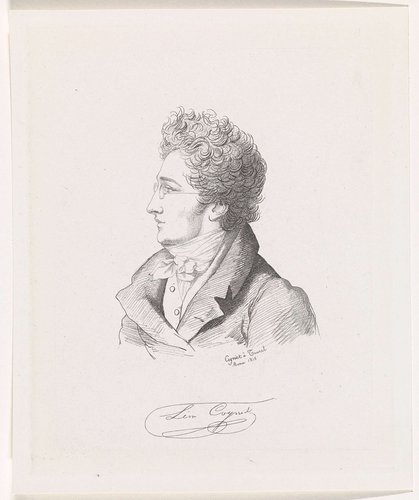
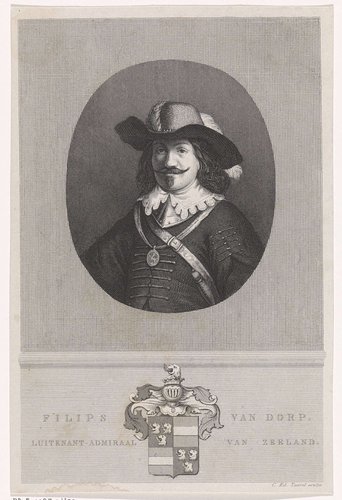
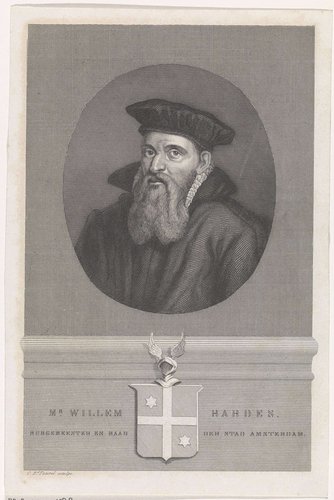
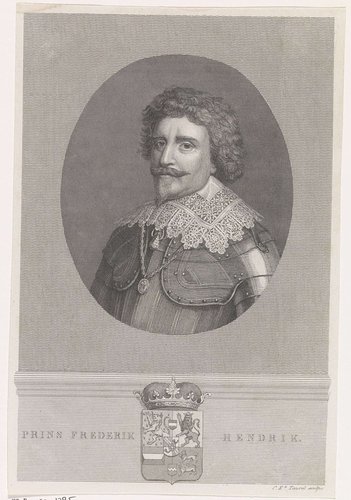
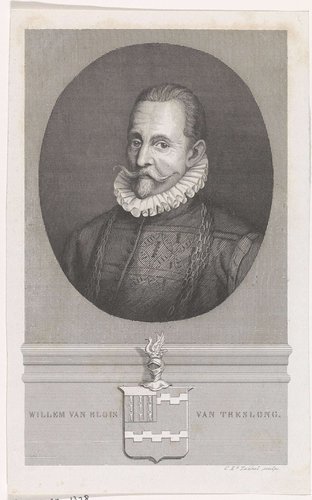
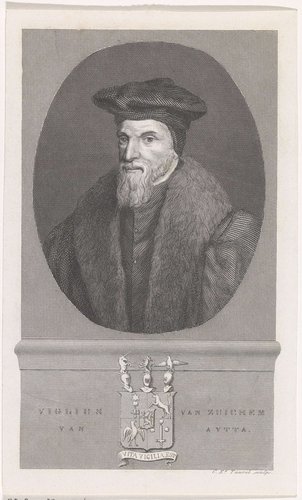
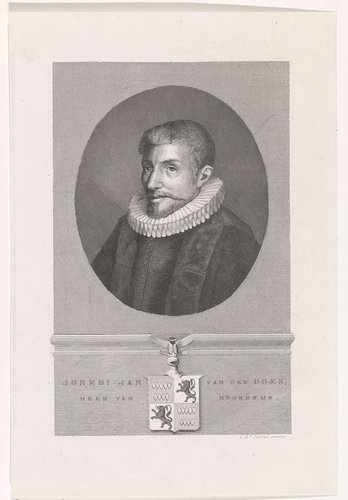
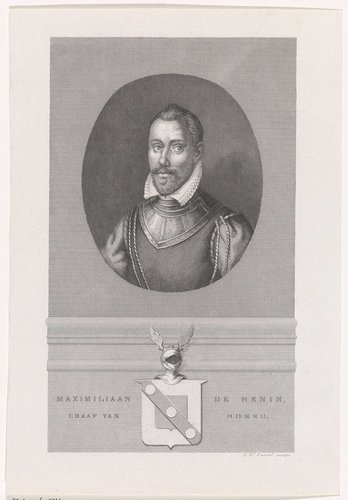
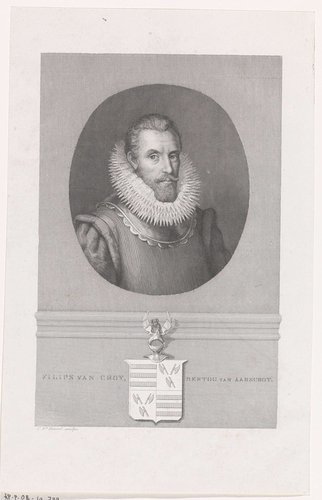
Charles Edouard Taurel (1824–1892) was a Dutch engraver and illustrator whose career exemplified the continued vitality of steel engraving and etching in the Netherlands during the nineteenth century. Working primarily in Amsterdam, Taurel specialized in portrait engravings of Dutch historical figures and topographical views of Amsterdam and its surroundings. His work served both commemorative functions—preserving the likenesses of notable Dutch personalities—and documentary purposes, creating visual records of Amsterdam's urban landscape during a period of significant transformation in the mid-to-late nineteenth century.
Charles Edouard Taurel (also known as C.E. de Taurel) was born on March 25, 1824, in the Netherlands. Growing up during a period when traditional engraving techniques were facing increasing competition from new reproductive technologies like lithography and, later, photography, Taurel nonetheless committed to mastering the demanding craft of steel engraving and etching.
Steel engraving, developed in the early nineteenth century, allowed for finer detail and larger print runs than traditional copper engraving, as steel plates were more durable. The technique required exceptional skill, as steel's hardness made it more difficult to work than copper. Etching, which involved using acid to bite lines into metal plates, offered different aesthetic possibilities and was often combined with engraved work in sophisticated prints.
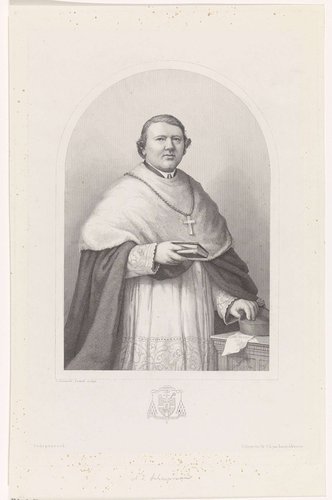
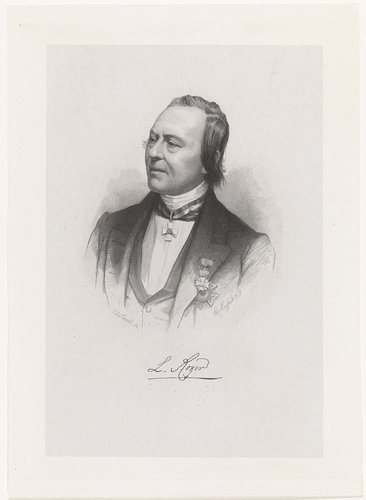
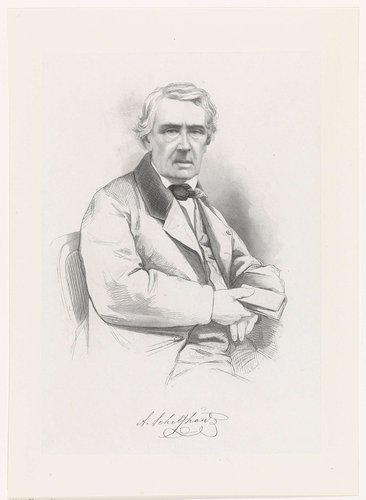
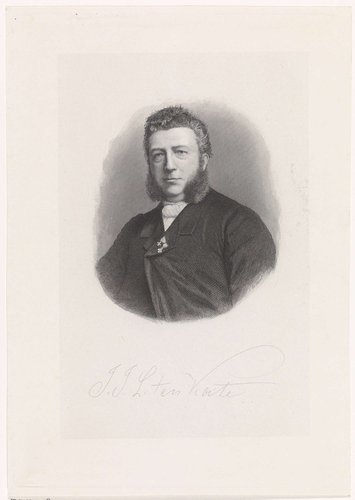
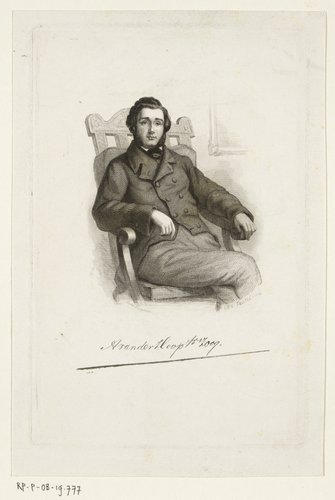
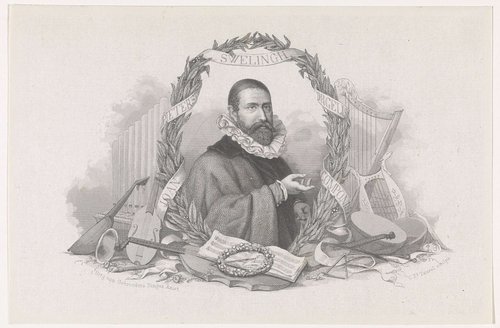
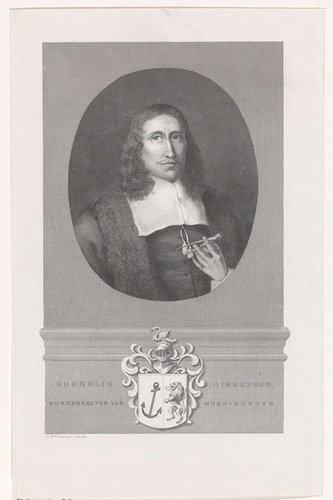
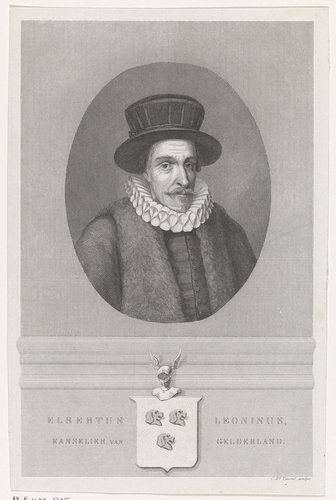
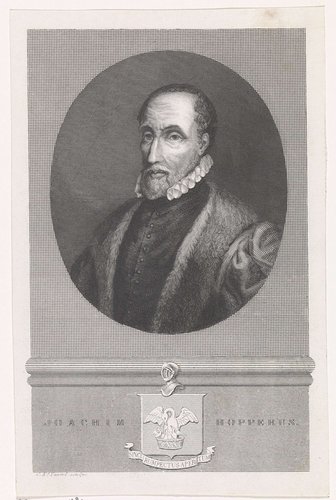
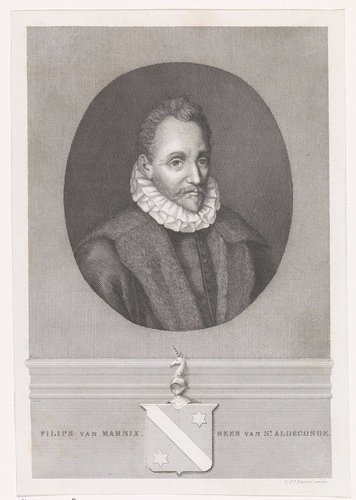
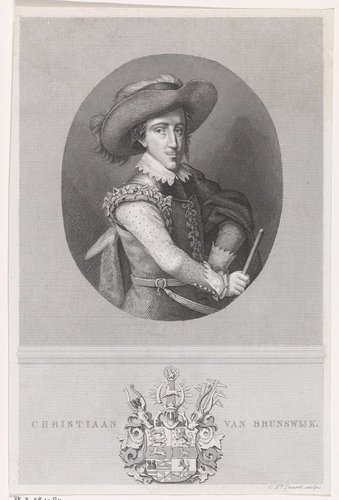
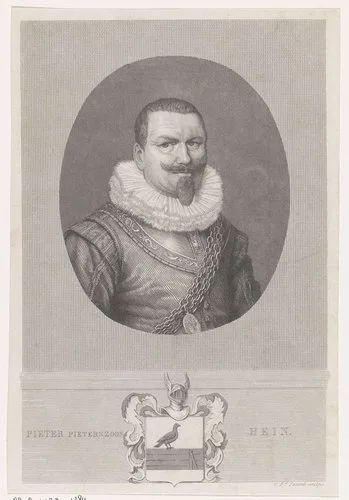
Taurel established himself as a specialist in two main areas: portrait engravings and topographical views. His portrait work focused particularly on Dutch historical and contemporary figures, creating steel engravings that served commemorative and educational purposes. These portraits appeared in books, as standalone prints, and as illustrations for biographical and historical publications. Examples include portraits of figures like Pieter Adriaansz. van der Werff and Pieter de Groot, demonstrating his work documenting Dutch notables.
His topographical work documented Amsterdam's urban landscape. The Rijksmuseum holds several of his Amsterdam views, including etchings of the entrance to Artis (Amsterdam's zoo, founded in 1838) and views of the Amstel River. These works captured Amsterdam during the mid-nineteenth century, a period when the city was beginning to expand beyond its historic center and modernize its infrastructure. Taurel's prints thus serve as valuable historical documents, preserving images of Amsterdam's appearance before later nineteenth and twentieth-century transformations.
He also created commemorative prints, such as an engraving documenting the Haarlemmermeer polder (1667–1867), celebrating the two-hundredth anniversary of this significant Dutch hydraulic engineering project. Such works demonstrated the continued importance of printmaking for commemorating historical events and achievements.
Taurel may have had family connections to other artists; André-Benoit Taurel (1794–1859) was an engraver and one of the founders of Arti et Amicitiae, Amsterdam's important artists' society, in 1839. Whether these two Taurels were related remains uncertain, but they operated in similar professional circles within Amsterdam's artistic community.
Edouard Taurel died on November 7, 1892, in the Netherlands, having maintained his practice of traditional engraving techniques throughout a period of dramatic technological and artistic change.
Artheon Research Team
Last updated: 2025-11-09
Biography length: ~625 words
Wikidata (CC0)