Ctrl K
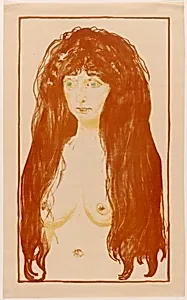
1863–1944
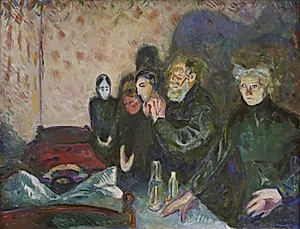
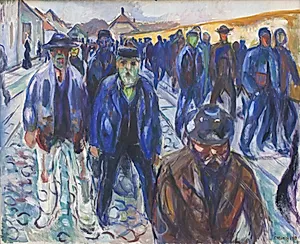
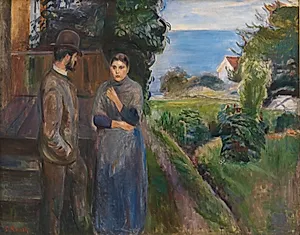
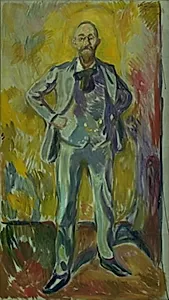
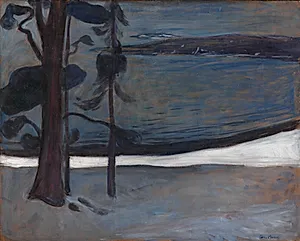
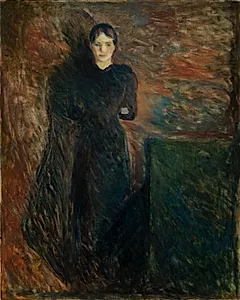
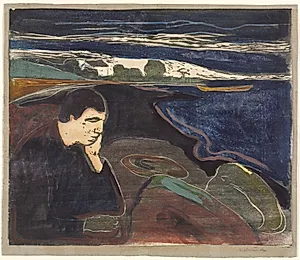
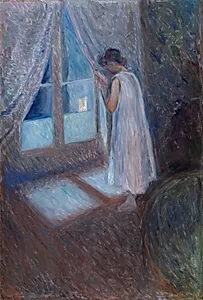
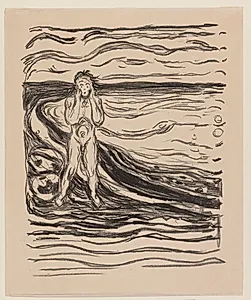
Edvard Munch (1863-1944) was a Norwegian painter and printmaker whose intensely psychological works made him a pioneer of Expressionism and one of the most influential artists of the modern era. His 1893 masterpiece 'The Scream' has become an iconic symbol of existential anxiety. Munch's art was profoundly shaped by personal tragedy—his mother died when he was five, his beloved sister Sophie at fourteen, both from tuberculosis, while mental illness afflicted other family members. These experiences fueled his exploration of themes including love, anxiety, death, and human vulnerability. Creating over 1,700 paintings and 18,000 prints during his lifetime, Munch bequeathed his entire remaining collection to the city of Oslo, forming the foundation of the Munch Museum.
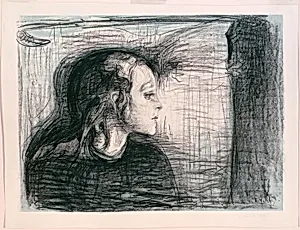
Born December 12, 1863, in Løten, Norway, Edvard grew up in Kristiania (Oslo) amid illness and death. His mother died of tuberculosis when he was five; his sister Sophie died of the same disease when he was fourteen—an event captured in his breakthrough painting 'The Sick Child' (1885-86).
Studying at the Royal School of Art and Design, Munch fell under the influence of the bohemian circle led by nihilist writer Hans Jæger, who urged him to paint his own psychological states. This 'soul painting' approach became the foundation of his distinctive style.
In Paris, Munch absorbed lessons from Post-Impressionists—Van Gogh's expressive color, Gauguin's symbolism, Toulouse-Lautrec's psychological intensity. Moving to Berlin in 1892, his exhibition caused such scandal it was closed after a week, making him famous overnight.
In Berlin, Munch developed 'The Frieze of Life,' a cycle of paintings exploring love, anxiety, and death. 'The Scream' (1893) emerged from this period—Munch described experiencing an 'infinite scream passing through nature' during a sunset walk. His turbulent affair with Tulla Larsen ended in 1902 when a gun accident cost him part of a finger.
Years of heavy drinking and emotional turmoil culminated in a nervous breakdown in 1908. Munch entered a Copenhagen clinic for eight months, emerging with renewed vigor and a somewhat brighter palette, though his fundamental themes remained.
Returning to Norway, Munch received major public commissions including murals for Oslo University's Aula (1909-1916). His work became more monumental, his colors more vibrant, though he continued exploring psychological themes through landscapes and figure compositions.
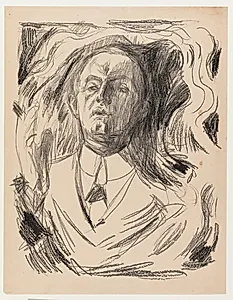
Munch spent his final decades at Ekely, his estate outside Oslo, living reclusively but working prolifically. He continued painting self-portraits documenting his aging, illness, and confrontation with mortality.
During Nazi occupation, Munch refused contact with German authorities despite their initial admiration for his work. He died January 23, 1944, leaving behind locked rooms containing 1,008 paintings, 4,443 drawings, and 15,391 prints—all bequeathed to Oslo, forming the Munch Museum collection.
Biography length: ~890 words
Exhibition
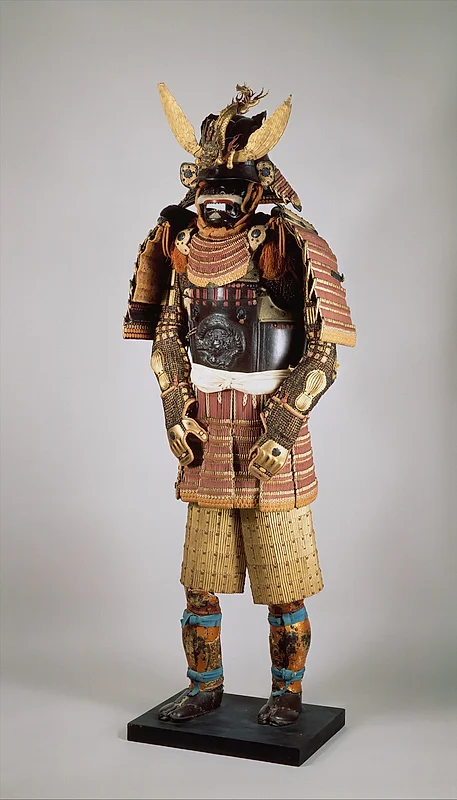
Enter the world of the samurai through the extraordinary craftsmanship of Japanese arms and armor. From 5th-century helmets to Edo-period sword guards, each object is both a functional weapon and a masterpiece of metalwork, lacquer, and design.
Exhibition
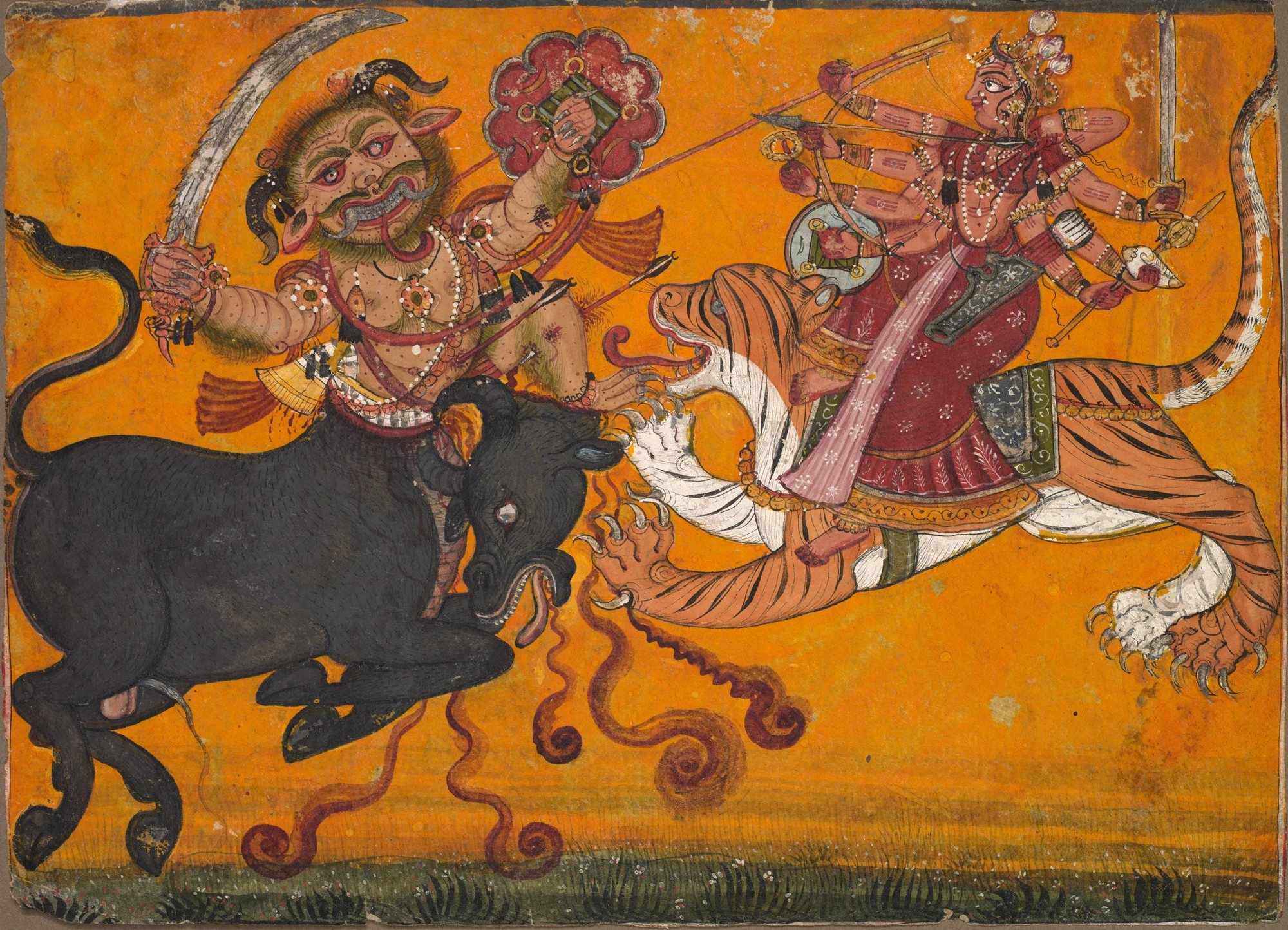
A demon who clones himself from every drop of spilled blood. A god who dances the universe in and out of existence. A goddess assembled from the fires of every god who failed. 27 works spanning 1,400 years, from Gupta sandstone to Kolkata bazaar painting.