Ctrl K
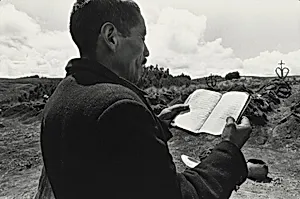
Edward Grazda, born in 1947 in Flushing, Queens, New York, grew up in the nearby Bayside neighborhood amid a Catholic education that sparked his curiosity about the wider world. He honed his craft studying photography at the Rhode Island School of Design, earning a BFA in 1969. There, he produced early works like the "Rhode Island School of Design Portfolio" from 1967, capturing the essence of Providence in gelatin silver prints. Returning to New York City, Grazda immersed himself in the gritty urban landscape of the 1970s, documenting the "mean streets" of Manhattan—On the Bowery in 1971 and the broader Mean Streets series spanning 1970-1985—revealing the raw poetry of decay, humanity, and resilience in black-and-white documentary style.
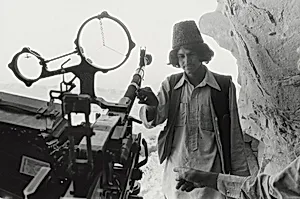
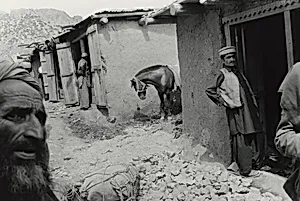
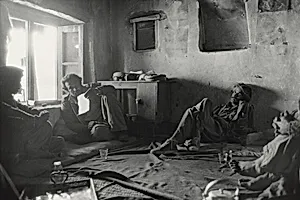
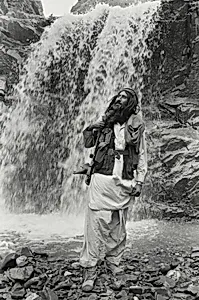
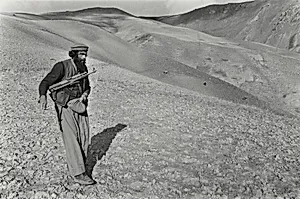
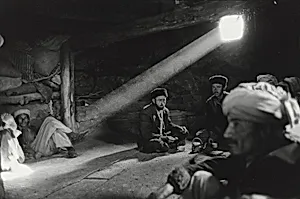
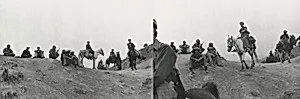
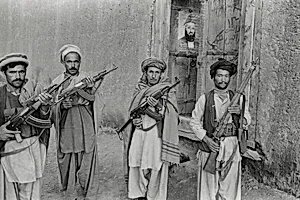
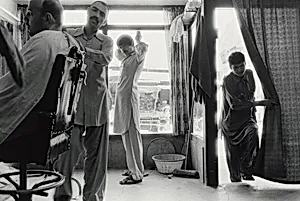
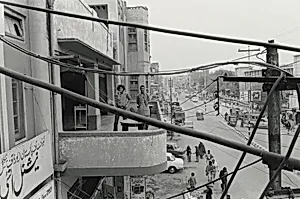
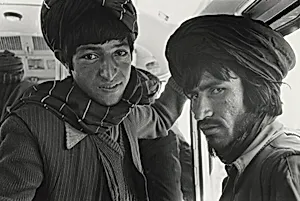
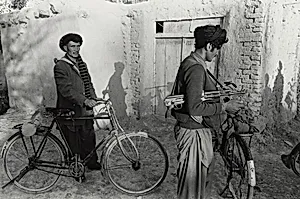
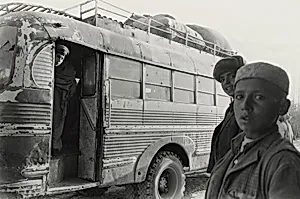
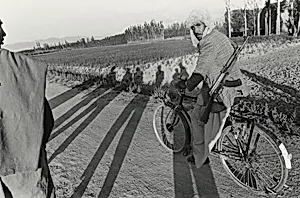
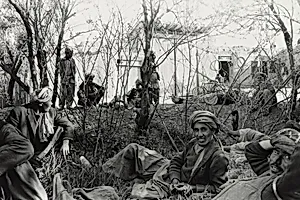
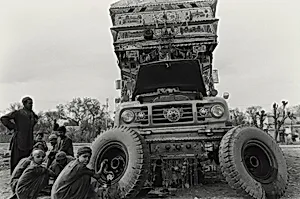
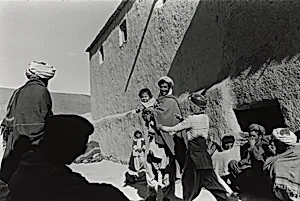
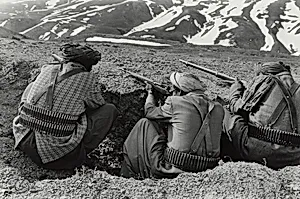
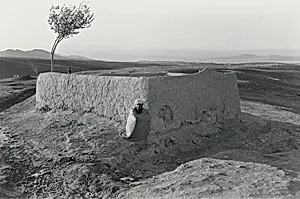
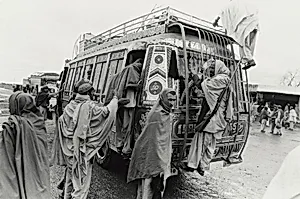
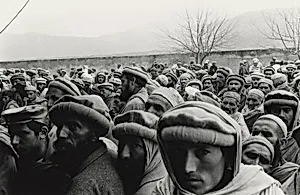
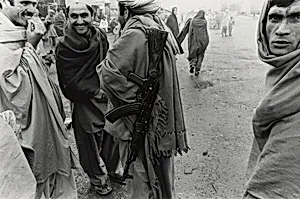
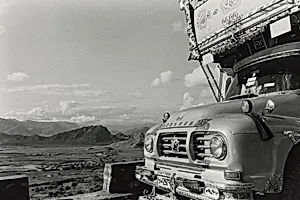
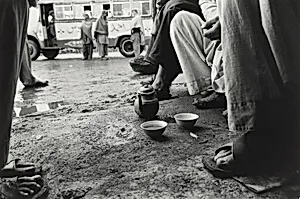
Grazda's wanderlust soon propelled him abroad. In the 1970s, he traversed Latin America, photographing in Peru (1973-1974 and 1977, including Urubamba and Juliaca), Ecuador's Otavalo market in 1976, and Lima's vibrant scenes. From 1980 onward, he dedicated decades to Afghanistan and Pakistan, chronicling conflict, culture, and daily life amid turmoil—series like Peshawar in 1980 and New Delhi's cricket match in 1986 exemplify his unflinching gaze. Later projects included Vietnam (1990-1995), New York mosques (1993-2000), Oman (2005-2006), and Navajo trading posts in the Four Corners region, all rooted in the documentary tradition of humanistic observation.
His oeuvre has been published extensively, with over a dozen books including *Afghanistan 1980-1989* (1990), *Afghanistan Diary 1992-2000* (2000), *NY Masjid* (2002), *Mean Streets* (2017), *On the Bowery* (2019), and *Visual History: Afghanistan 1980-2004* (2021). Features in *The New Yorker*, *Vanity Fair*, and *Granta* underscore his impact, alongside grants from the National Endowment for the Arts and four MacDowell Fellowships. Works reside in prestigious collections: MoMA, the Metropolitan Museum of Art, SFMOMA, NYPL, and more. In 2009, Grazda co-founded Errata Editions (now The Errata Foundation), republishing rare photobooks and extending his legacy as a steward of the medium, bridging personal odysseys with global narratives for future generations.