Ctrl K
1868–1955
Edward Taylor Jewett (1868–1955) was an American artist whose career bridged traditional academic painting and the documentation of vernacular American crafts. Born on March 28, 1868, in New York, Jewett pursued formal training in the late nineteenth century, studying at the Académie Julian in Paris and later under the portraitist J. Carroll Beckwith in New York City. This rigorous education equipped him with the precise draftsmanship that would define his mature style, rooted in the academic tradition of meticulous observation and rendering.
For many years based in Albany, New York, Jewett established himself as a versatile creator of decorative arts. In the 1920s, after settling permanently in Santa Barbara, California, in 1914, he gained renown for designing and producing wall hangings and tapestries commissioned for Biltmore Hotels and opulent Spanish-Mediterranean residences in the region. He also produced original illustrations for Edward FitzGerald's translation of Omar Khayyam's *Rubáiyát*, showcasing his skill in evocative, poetic imagery. A member of the Santa Barbara Art Association, Jewett's early career emphasized custom textile works that blended artistic flair with architectural integration.
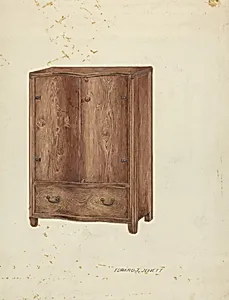
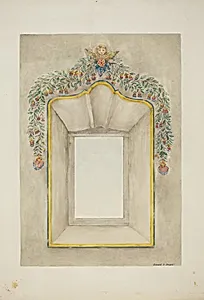
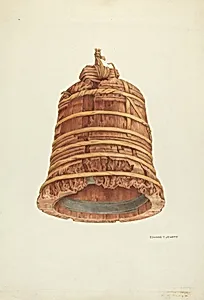
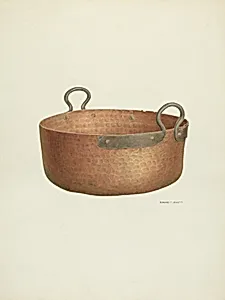
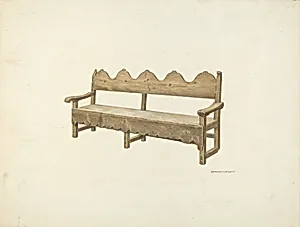
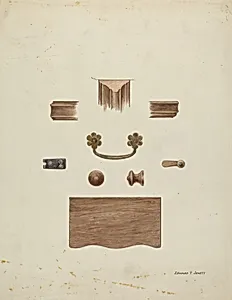
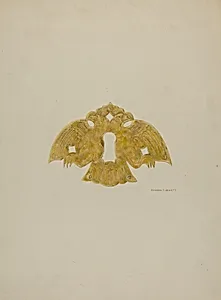
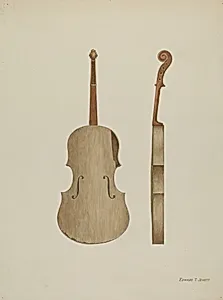
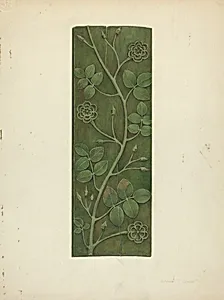
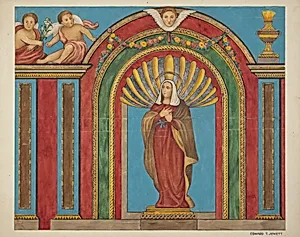
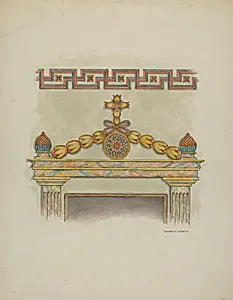
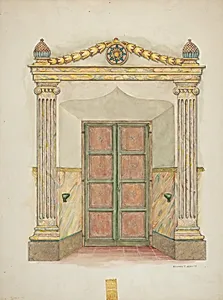
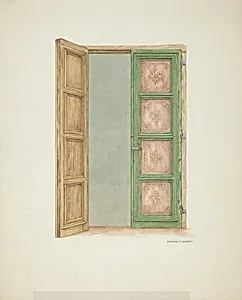
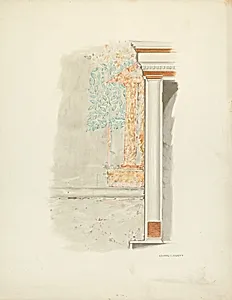
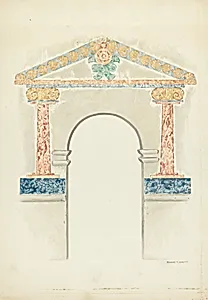
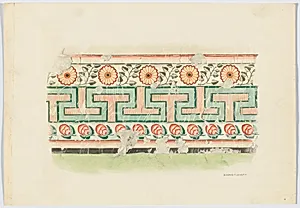
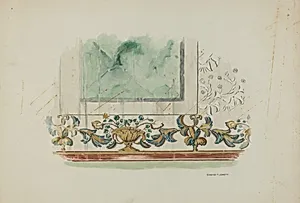
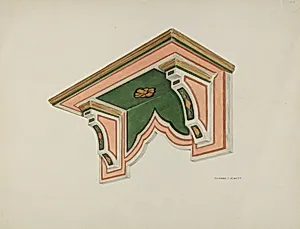
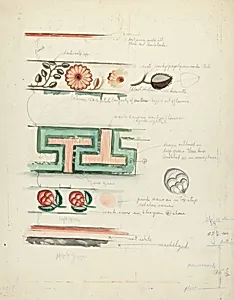
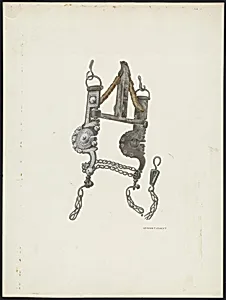
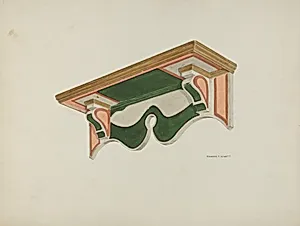
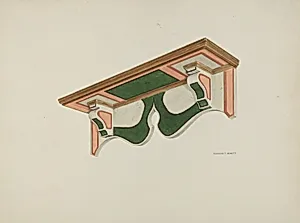
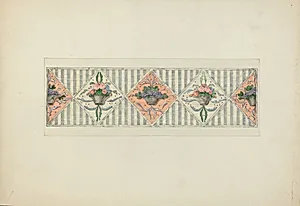
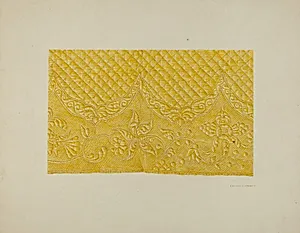
Jewett's most enduring contributions came during the Great Depression through his involvement in the Federal Art Project's Index of American Design, a WPA initiative to catalog the nation's folk art and crafts. From the mid-1930s to the 1940s, he produced hundreds of exquisite watercolor, graphite, and colored pencil renderings of everyday objects, elevating humble items to fine art status. Notable examples include *Mission Bench* (c. 1936), *Chair* (c. 1936), *Spur* (c. 1938), *Wall Painting* (c. 1939–1940), *Violin* (1941, with Cornelius Christoffels), and *Rawhide Bedstead* (c. 1936). These works, now preserved in the National Gallery of Art's collection of over 55 pieces by Jewett, capture intricate details of quilts, furniture, tools, and ecclesiastical artifacts, highlighting regional craftsmanship from colonial cabinets to Spanish colonial mission pieces.
Jewett died on May 29, 1955, in Santa Barbara, leaving a legacy as a chronicler of America's material culture. His Index renderings not only preserved vanishing traditions amid industrialization but also influenced mid-century interest in folk art, informing museum collections and design revivals. Through technical precision and aesthetic sensitivity, Jewett transformed utilitarian objects into cultural treasures, ensuring their visual legacy for future generations.