Ctrl K
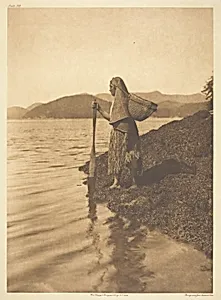
1868–1952
Edward S. Curtis (1868–1952) was an American photographer and ethnographer whose monumental project "The North American Indian" — a forty-volume illustrated work documenting over eighty Native American tribes — is one of the most ambitious photographic enterprises ever undertaken. Born near Whitewater, Wisconsin, he grew up in Minnesota and established a portrait studio in Seattle, Washington, in the early 1890s.
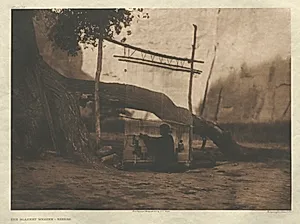
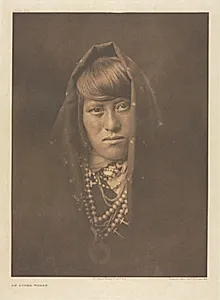
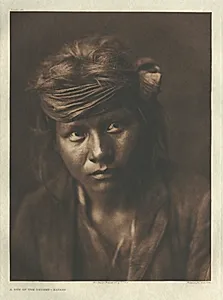
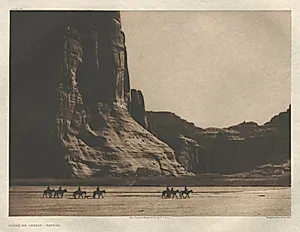
Curtis's interest in Native American cultures was sparked by chance encounters with Native peoples near Mount Rainier. In 1906, with financial backing from J.P. Morgan and an endorsement from President Theodore Roosevelt, he embarked on a thirty-year project to create a comprehensive photographic and textual record of Native American peoples west of the Mississippi. The resulting work, "The North American Indian" (1907–1930), contains over 2,200 photogravure plates alongside extensive ethnographic text recording languages, customs, ceremonies, and oral histories.
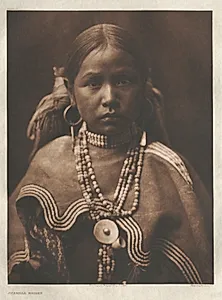
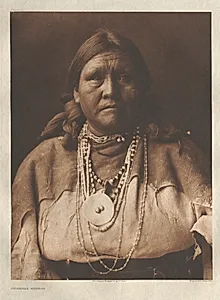
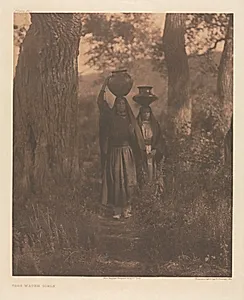
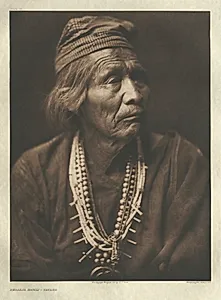
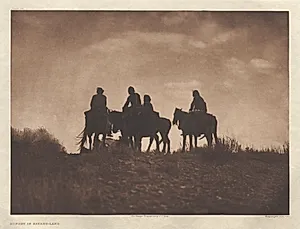
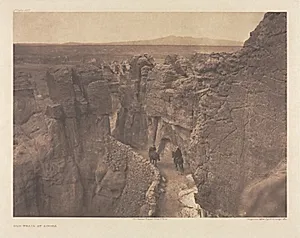
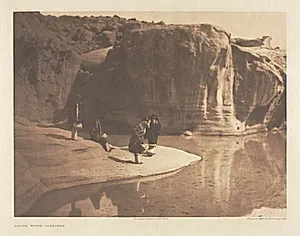
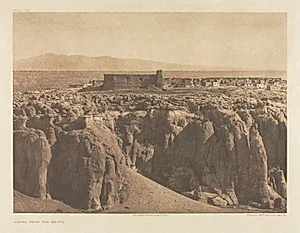
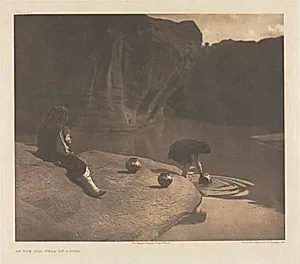
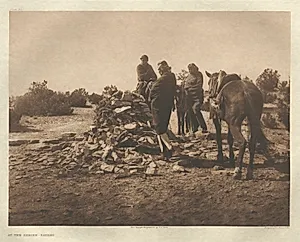
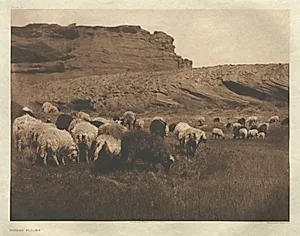
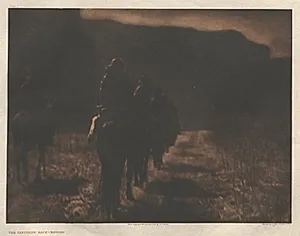
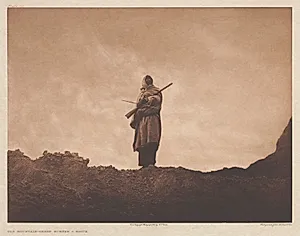
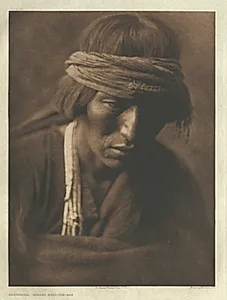
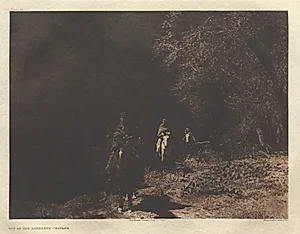
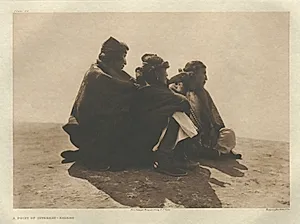
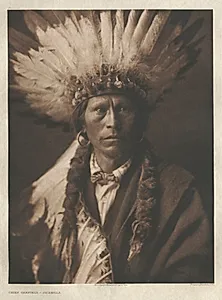
Curtis's photographs are technically superb and compositionally striking, depicting Native individuals and cultural practices with a sense of dignity and grandeur. However, his work has also been the subject of sustained scholarly critique. Curtis frequently staged scenes, provided costumes and props, and retouched photographs to remove evidence of Western contact, constructing an idealized, nostalgic vision of Native life that reinforced the damaging "vanishing race" narrative of his era.
Despite these legitimate criticisms, Curtis's photographs remain invaluable visual and ethnographic documents, and many Native communities have drawn on his work as a resource for cultural revitalization. His images are held by the Library of Congress, the Smithsonian Institution, the Charles Deering McCormick Library at Northwestern University, and the Burke Museum in Seattle.