Ctrl K
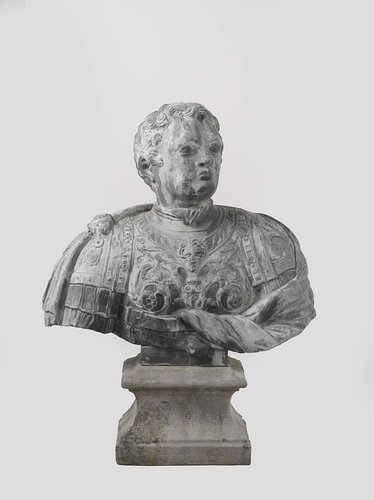
1630–1692
Movements
Occupations
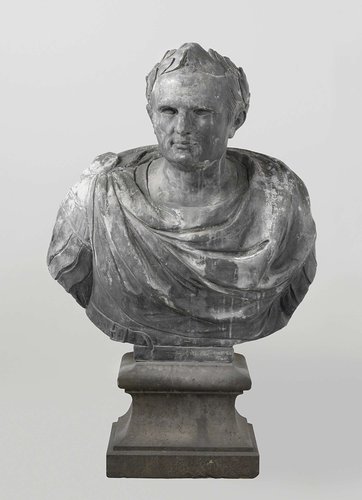
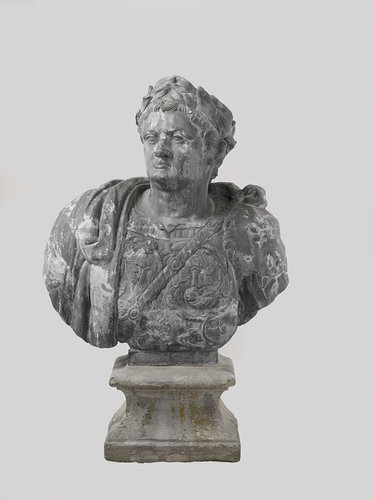
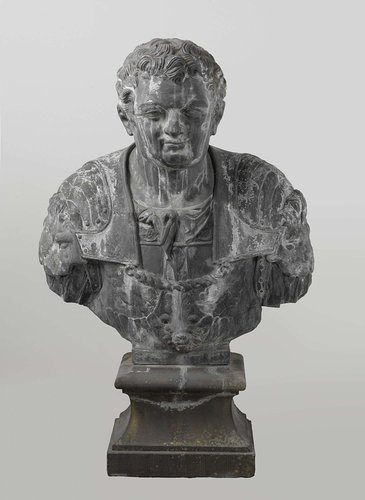
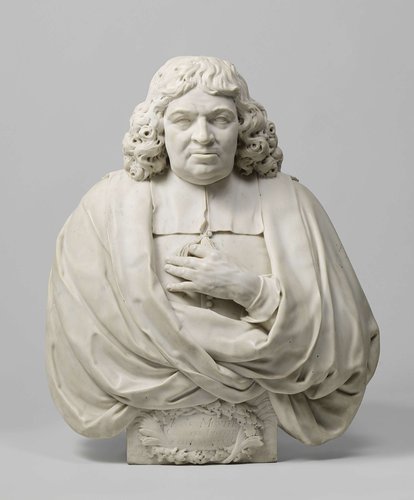
Bartholomeus Eggers (c. 1637–1692) was a Flemish sculptor who spent the majority of his career in the Dutch Republic, contributing significantly to Amsterdam's monumental sculptural decoration during its Golden Age. Born in Antwerp, Eggers left his native city between 1650 and 1654 to participate in one of the seventeenth century's most ambitious sculptural projects: the decoration of Amsterdam's new city hall (now the Royal Palace) under the direction of the renowned Flemish sculptor Artus Quellinus the Elder. Eggers established himself as a versatile sculptor working in marble, stone, and terracotta, creating portrait statues, decorative architectural elements, funerary sculptures, reliefs, and allegorical works. His triumph in securing the commission for the monument to Admiral Jacob van Wassenaer Obdam—beating his competitor Rombout Verhulst in a competition organized by the States General—demonstrated his standing among the Dutch Republic's leading sculptors. Late in his career, Eggers worked in Berlin (1687–1688) on marble statues of Brandenburg Electors and medieval emperors for the Berlin Palace, showing his continued prominence in major European sculptural commissions until his death.
Bartholomeus Eggers was born around 1637 in Antwerp, the Southern Netherlands' principal artistic center. During Eggers's youth, Antwerp maintained its position as a major training ground for sculptors despite political and economic challenges following the city's decline from its sixteenth-century prominence.
Eggers received his sculptural training in Antwerp's workshop system, learning techniques in marble carving, stone sculpture, and terracotta modeling that would serve him throughout his career. The city's baroque sculptural tradition, exemplified by artists like Artus Quellinus the Elder, provided Eggers with sophisticated technical and stylistic foundations.
Between 1650 and 1654, Eggers left Antwerp for Amsterdam, joining the migration of Flemish sculptors attracted to the Dutch Republic's economic prosperity and ambitious building projects. This move proved decisive for his career development and artistic opportunities.
Eggers's arrival in Amsterdam coincided with the massive sculptural decoration program for the city's new city hall, designed by architect Jacob van Campen. Under Artus Quellinus the Elder's direction, teams of sculptors created elaborate decorative schemes celebrating Amsterdam's power and republican virtues.
Eggers's participation in this project established his reputation in Amsterdam. Following the city hall project's completion, he received numerous commissions for portrait sculptures, funerary monuments, and architectural decorations throughout the Dutch Republic.
His most prestigious independent commission came when the States General organized a competition for the monument to Admiral Jacob van Wassenaer Obdam, who died heroically in the 1665 Battle of Lowestoft against England. Eggers defeated the prominent sculptor Rombout Verhulst to win this high-profile commission, a significant validation of his artistic standing.
Throughout this period, Eggers demonstrated versatility across subjects and materials. He created portrait statues of contemporary figures and historical personages, decorative architectural elements, funerary sculptures, reliefs, and allegorical, biblical, and mythological sculptures in marble, stone, and terracotta.
In 1687 and 1688, Eggers traveled to Berlin to execute an important commission for the Berlin Palace: marble statues of twelve Electors of Brandenburg and four ancient and medieval emperors. This commission demonstrated his continued prominence and ability to secure major European court projects.
Eggers died before February 23, 1692, probably in Amsterdam, where he had spent the majority of his career. His death ended a career spanning four decades and encompassing some of the Dutch Golden Age's most significant sculptural commissions.
Artheon Research Team
Last updated: 2025-11-09
Biography length: ~482 words
Wikidata (CC0); Getty ULAN (ODC-By)