Eleanor Antin, born Eleanor Fineman on February 27, 1935, in the Bronx, New York, to Polish Jewish immigrants Sol Fineman and Jeanette Efron, grew up in a culturally rich environment shaped by her mother's background as a Yiddish theater actress. She attended the High School of Music & Art, the New School for Social Research—where she studied philosophy and acting at the Tamara Daykarhonova School for the Stage—and the City College of New York, graduating in 1958 with a major in writing and minor in art. Antin modeled for prominent painters including Isabel Bishop, Moses Soyer, Jack Levine, and Ruth Gikow, and pursued acting professionally, performing in productions like a staged reading with Ossie Davis. In 1961, she married poet and critic David Antin, with whom she had a son, Blaise, and in 1968, the family relocated to Solana Beach, California, marking a pivotal shift toward conceptual experimentation influenced by Fluxus artists such as Carolee Schneemann and Yvonne Rainer.
Antin's multifaceted practice spans performance, photography, film, installation, and drawing, aligning her with the conceptual and feminist art movements of the 1960s and 1970s. She worked in the conceptual art tradition, pioneering the use of multiple personas—or "selves"—to interrogate identity, gender roles, and societal constraints, often infusing her work with theatrical humor and historical allegory drawn from her Jewish heritage and classical mythology. Through these alter egos, such as the Elizabethan King of Solana Beach, the starving Ballerina, the heroic Nurse Eleanor Nightingale, the Black movie star Eleanora Antinova, and the silent film director Yevgeny Antinov, Antin challenged fixed notions of selfhood, declaring her interest in transcending "tyrannical limitations" like sex, age, and space.
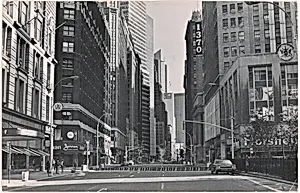
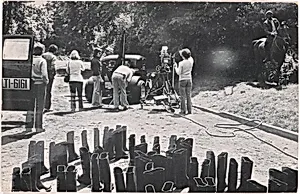
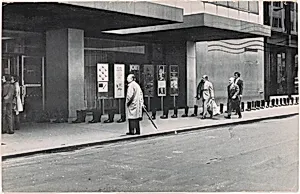
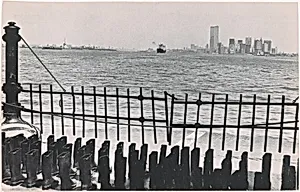
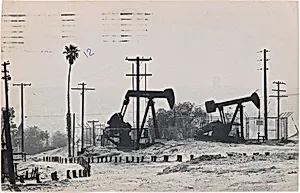
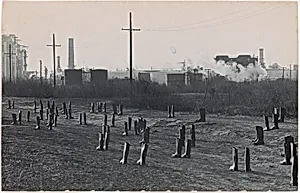
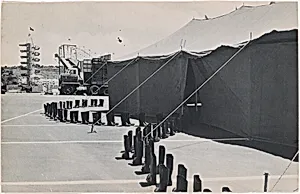
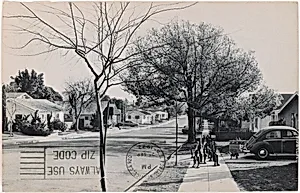
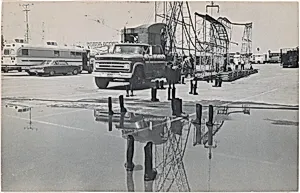
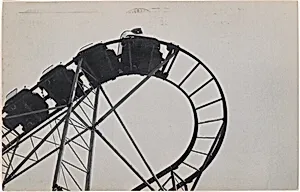
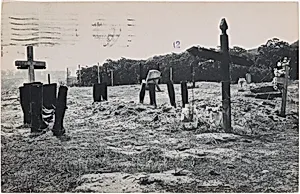
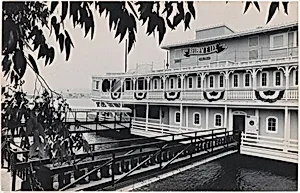
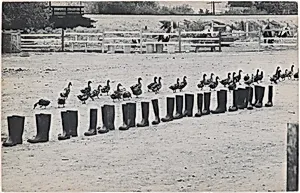
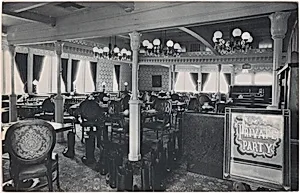
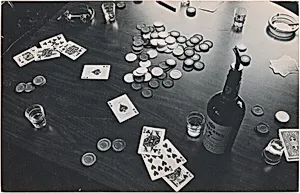
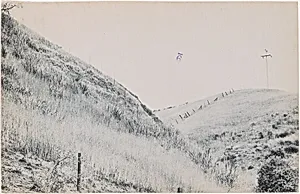
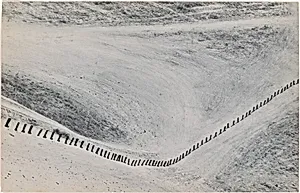
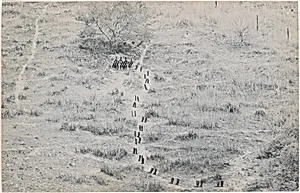
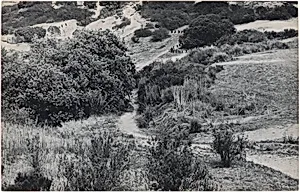
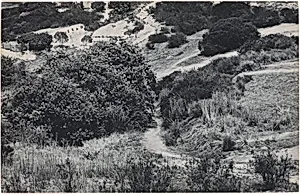
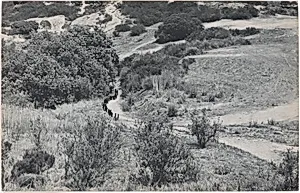
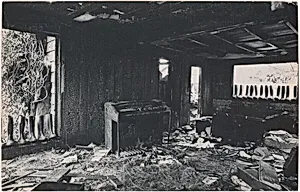
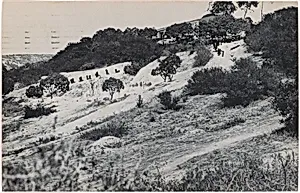
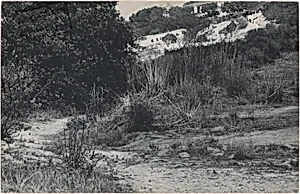
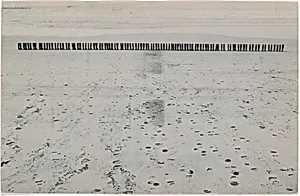
Among her landmark works are *Blood of a Poet Box* (1965–1968), a conceptual collection of blood samples from poets like Allen Ginsberg; the epic *100 Boots* (1971–1973), a series of 51 postcards documenting boots on a cross-country odyssey; and *Carving: A Traditional Sculpture* (1972), 148 photographs charting her body during a crash diet as feminist critique. Later series like *The Last Days of Pompeii* (2002) and *Roman Allegories* (2005) staged ancient catastrophes in modern California settings.
A professor of visual arts at the University of California, San Diego, from 1979 until her emerita status, Antin received accolades including a Guggenheim Fellowship (1997) and the UCSD Revelle Medal (2023). Her legacy endures as a trailblazer in identity politics and performative feminism, influencing artists like Cindy Sherman and prefiguring theories of performativity, with works in collections at MoMA, Whitney, and LACMA.