Ctrl K
1909–2000
Elizabeth Moutal is an artist whose work survives in museum collections in sufficient quantity to indicate a genuine and sustained career, even as the historical record has preserved little biographical information about her origins, training, or the arc of her professional life. Her name and her works endure where so much else has been lost, a quiet testament to the durability of artistic production over personal narrative.
The period in which Moutal most likely worked was one of expanding opportunity for women artists, particularly in the United States and Europe, where art schools, sketch clubs, and progressive institutions increasingly welcomed female students and exhibitors. If Moutal benefited from such opportunities, she was part of a generation that quietly transformed the demographics of professional art-making, even when individual contributions went underacknowledged in the critical press.
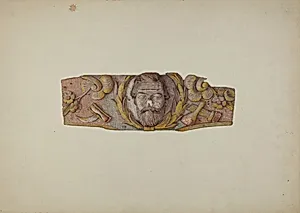
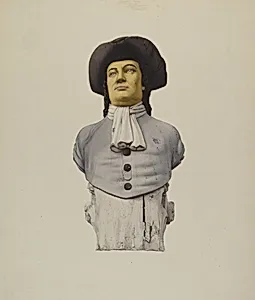
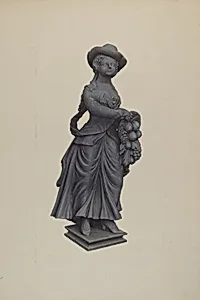
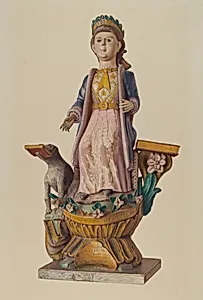
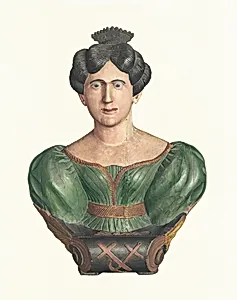
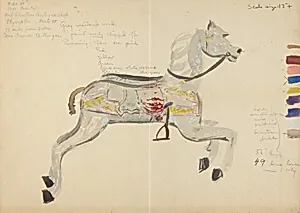
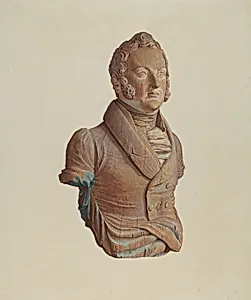
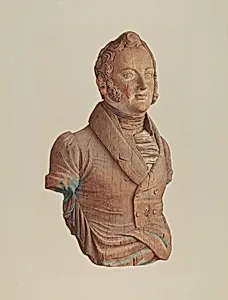
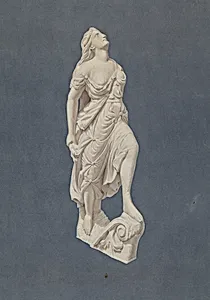
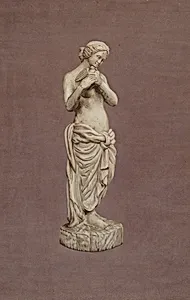
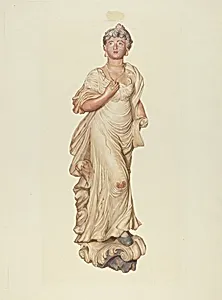
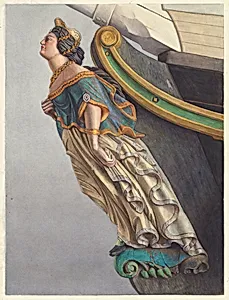
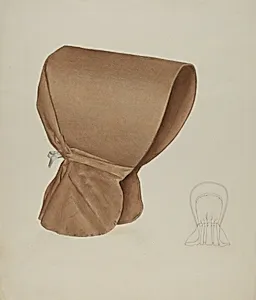
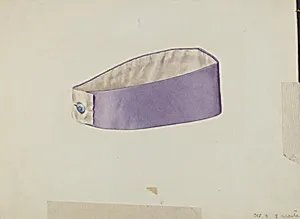
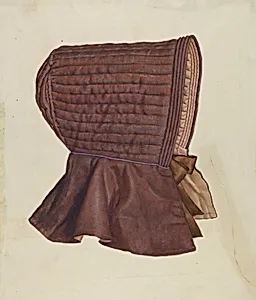
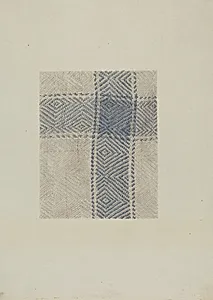
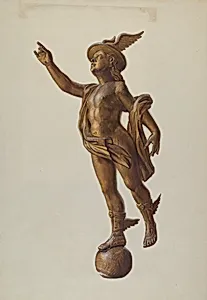
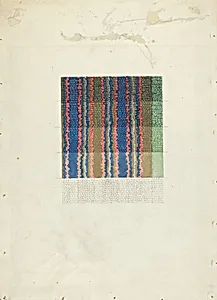
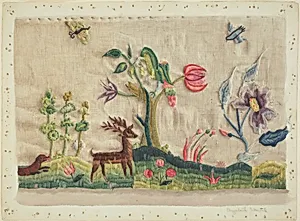
Her surviving works — numbering in the dozens — suggest a practitioner of real discipline, someone who returned repeatedly to her craft and refined it over time. The consistency implied by a body of that size argues against occasional dabbling and points instead to art-making as a central occupation, whether pursued professionally, semi-professionally, or with serious amateur dedication.
Elizabeth Moutal represents the kind of artist whose full story may still be waiting in regional archives, family papers, or exhibition records from smaller galleries and art societies. Her place in institutional collections ensures that her work remains accessible to those who might one day piece together a more complete picture of her life, her influences, and her contribution to the visual culture of her time.