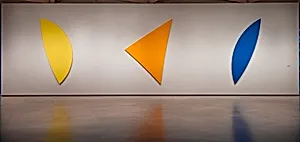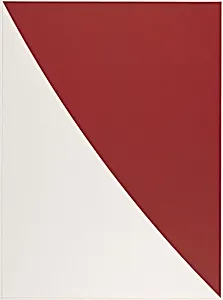
Ellsworth Kelly (1923–2015) was a pioneering American painter, sculptor, and printmaker whose career reshaped abstract art through precise geometry, bold color, and innovative forms. Born in Newburgh, New York, as the second of three sons to an insurance executive father and schoolteacher mother, Kelly developed an early fascination with nature's patterns, sparked by his paternal grandmother's introduction to ornithology near Oradell Reservoir in New Jersey. After high school, he pursued technical art training at Pratt Institute in Brooklyn from 1941 to 1943, interrupted by World War II service in the U.S. Army's Ghost Army camouflage unit, where deceptive visuals honed his sensitivity to flatness and illusion. Postwar, on the G.I. Bill, he studied at the School of the Museum of Fine Arts in Boston (1946–1948) and the École nationale supérieure des Beaux-Arts in Paris (1948–1949), though he favored self-directed immersion in the city's museums and studios of artists like Constantin Brâncuși and Jean Arp.
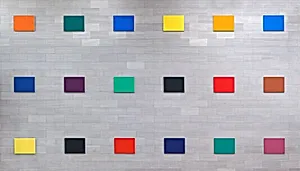
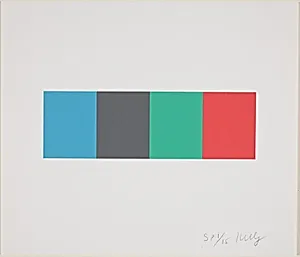
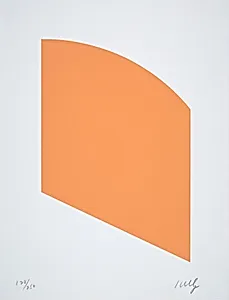
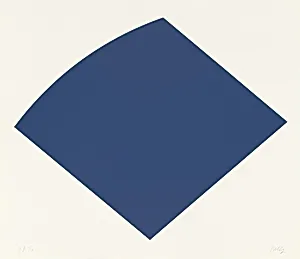
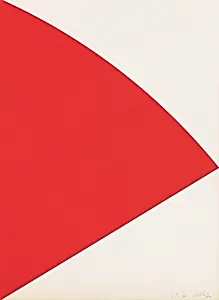
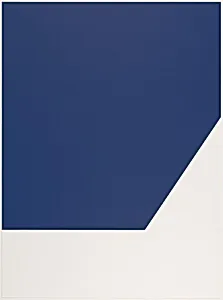
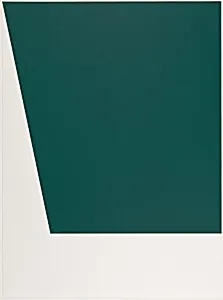
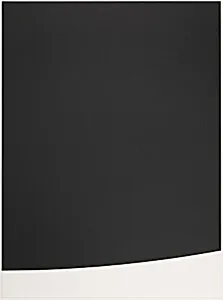
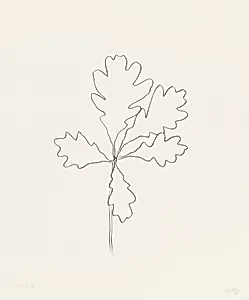
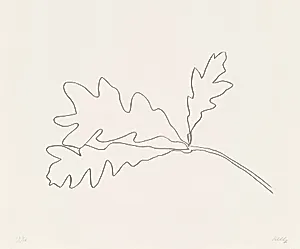
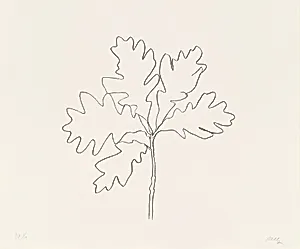
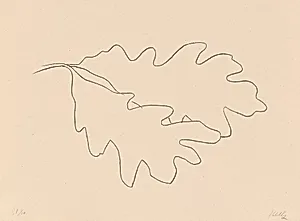
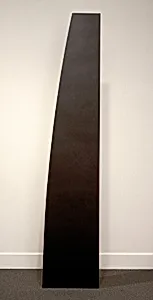
Kelly's style emerged from these experiences, aligning with hard-edge painting, Color Field, and Minimalism while forging an independent path. Rejecting gestural abstraction, he emphasized unmodulated color planes, chance operations inspired by Surrealism, and shapes liberated from rectangular supports—often derived from nature, architecture, and everyday observations like light on the Seine. In Paris from 1948 to 1954, he transitioned from figurative works to abstraction, producing plant contour drawings and collages like *Spectrum Colors Arranged by Chance I to VIII* (1951). Returning to New York, he pioneered shaped canvases and sculptures that blurred painting and objecthood, as in the relief *Concorde Reliefs I* (1958) and freestanding *Rocker* series (from 1959).
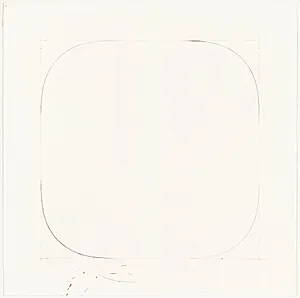
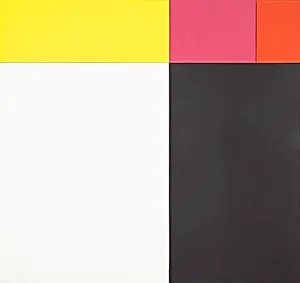
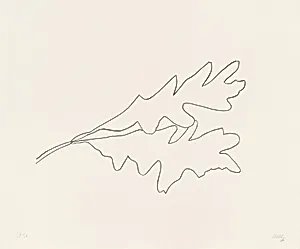
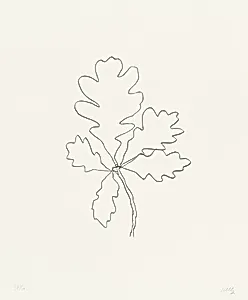
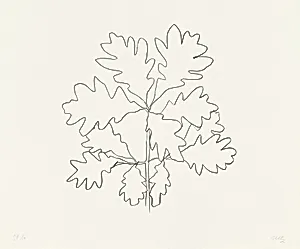
Among his major works are *Seine* (1950), capturing rippling light in black-and-white panels; *Colors for a Large Wall* (1951), a monumental 64-panel mosaic; *Yellow Piece* (1966), his first fully curved monochrome canvas; *Green White* (1968), juxtaposing trapezoid and triangle; and the *Chatham Series* (1971), fourteen balanced, inverted-ell paintings. Sculptures like *Sculpture for a Large Wall* (1957) and late totems such as *Curve XXIII* (1981) expanded his vision outdoors, while plant lithographs (over 70 from 1964) sustained his nature motif. His final commission, *Austin* (2015)—a chapel-like structure with stained glass, totem, and marble panels—epitomizes purified form.
Kelly's legacy endures in major institutions worldwide, influencing Minimalists like Donald Judd and Color Field painters. Honored with the National Medal of Arts (2013) and Japan's Praemium Imperiale (2000), his seven-decade oeuvre—spanning some 160 known works in collections—celebrates art's perceptual immediacy, inviting viewers to experience color and shape as vital presences.