Ctrl K
1855
**Elmer G. Anderson** was an American artist best known for his meticulous contributions to the Index of American Design, a Works Progress Administration (WPA) project that documented the nation's folk art heritage during the Great Depression. Active primarily in the 1930s, Anderson studied at the Pennsylvania Academy of the Fine Arts (PAFA), where he earned prestigious Cresson Traveling Scholarships for painting in 1919, with further recognition in 1920 and 1921. These awards supported foreign travel and study, underscoring his early promise as a draftsman skilled in capturing intricate details. His early life remains sparsely documented, but his PAFA training honed a precision that later defined his folk art renderings.
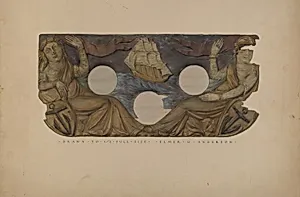
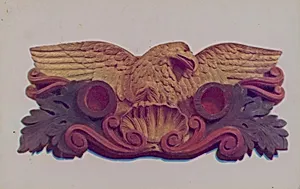
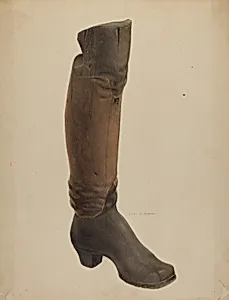
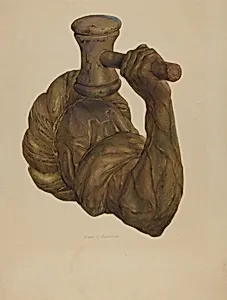
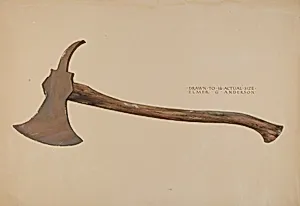
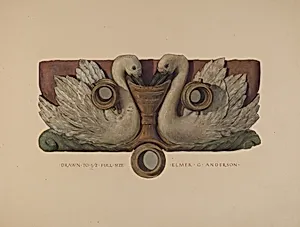
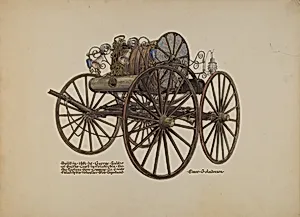
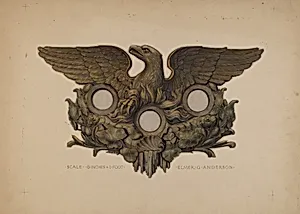
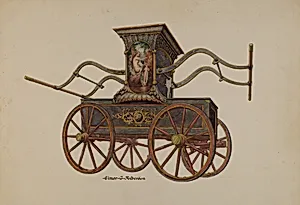
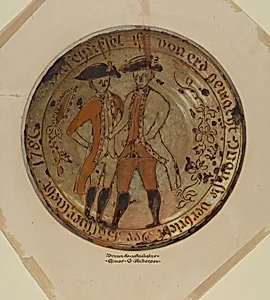
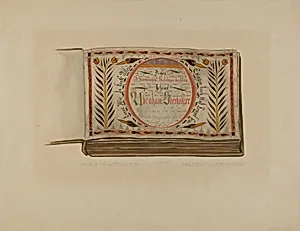
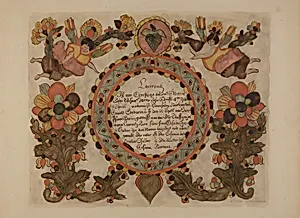
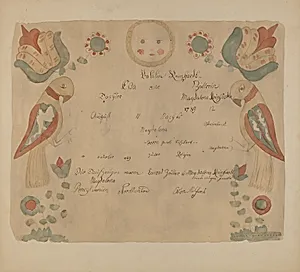
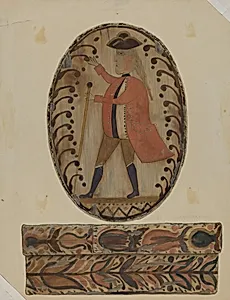
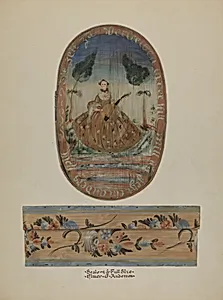
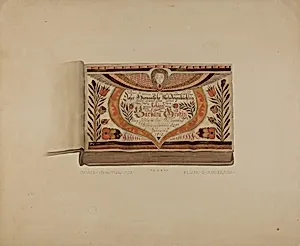
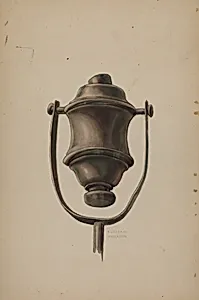
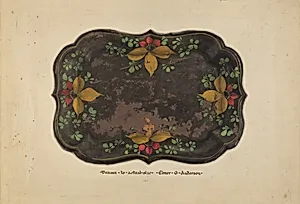
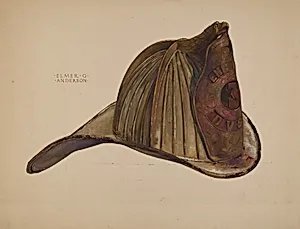
Anderson's artistic style aligned with the Index of American Design tradition, employing watercolor, graphite, gouache, colored pencil, and even color photography on paperboard to create faithful, scaled reproductions of everyday American objects. Specializing in Pennsylvania German decorative arts and vernacular Americana, his works vividly preserved items like hand-painted furniture, trade signs, and firefighting paraphernalia that might otherwise have been lost to time. Notable examples from the National Gallery of Art's collection of his 51 pieces include *Pa. German Chest* (c. 1936), a vibrant depiction of fraktur-decorated storage; *Sampler* (1935/1942), showcasing embroidered motifs; *Cigar Store Figure* (c. 1936), a carved wooden Native American effigy; *Fireman's Axe* (c. 1937); and *Weather Vane* (c. 1936), all rendered with technical accuracy and subtle coloration to highlight craftsmanship.
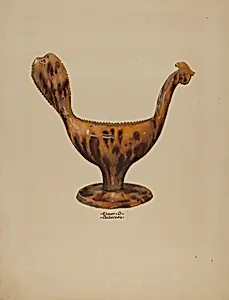
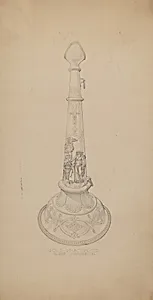
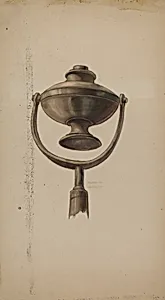
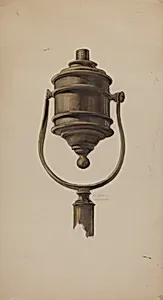
Through the Index, Anderson helped forge a visual archive that influenced mid-20th-century appreciation for regional folk traditions, bridging fine art with cultural history. His Pennsylvania-focused oeuvre, including *Pa. German Gravy Boat* (c. 1938), *Hose Holder* (c. 1937), and *Torch* (1939), underscores the project's mission to celebrate utilitarian beauty in American life. Today, his renderings endure in the National Gallery of Art, educating viewers on the artistry of everyday objects and affirming his role in preserving the nation's decorative legacy.