Ctrl K
1855
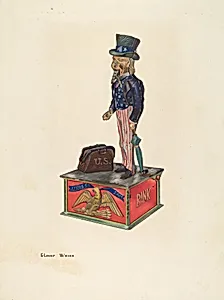
Elmer Weise was an American artist active around 1935, best known for his meticulous contributions to the Index of American Design, a New Deal-era Federal Art Project under the Works Progress Administration (WPA). Launched in 1935, this ambitious initiative employed artists across the United States to document the nation's folk art, crafts, and utilitarian objects through precise watercolor renderings, preserving cultural heritage amid the Great Depression. Weise participated actively during the project's peak years, producing dozens of detailed studies that captured the ingenuity of everyday American artifacts.
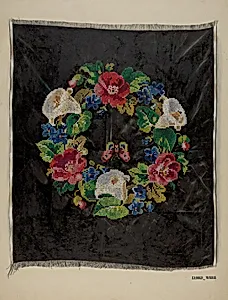
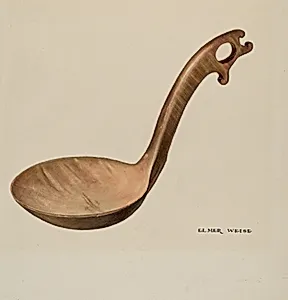
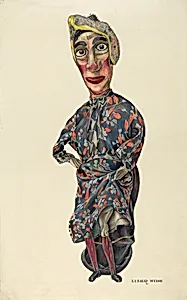
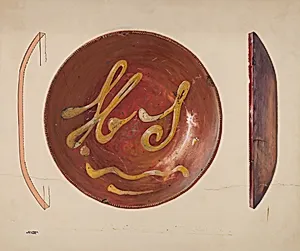
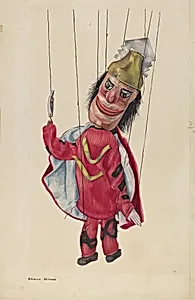
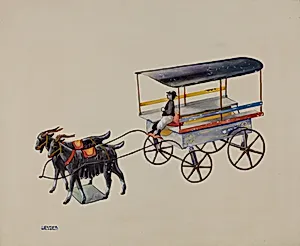
Little is known about Weise's early life or formal training, as biographical details remain sparsely documented. His works, however, reveal a skilled hand attuned to the textures and forms of vernacular objects, rendered in watercolor, gouache, pen and ink, graphite, and heightening on paper or paperboard. These pieces eschew abstraction for hyper-realistic fidelity, often highlighting subtle details like wood grain, fabric weaves, or painted embellishments. Weise's output aligns with the Index's mission to celebrate regional traditions, from Appalachian crafts to carnival curiosities, positioning him within the broader movement of American Scene art that valorized the commonplace.
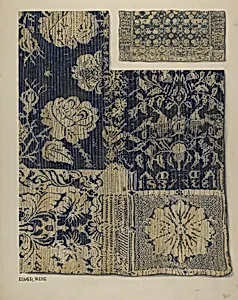
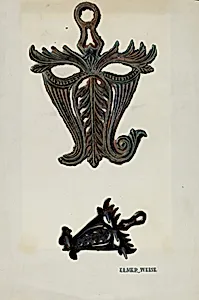
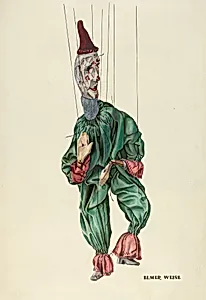
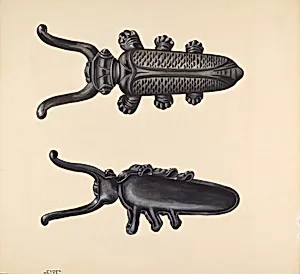
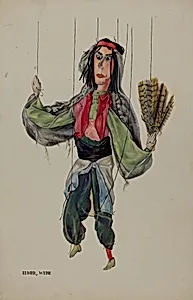
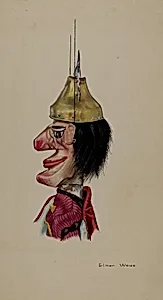
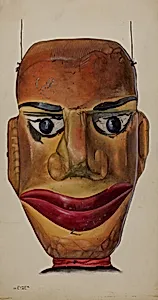
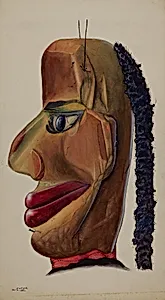
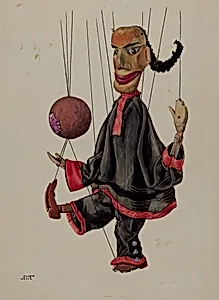
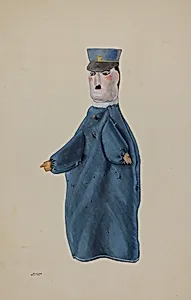
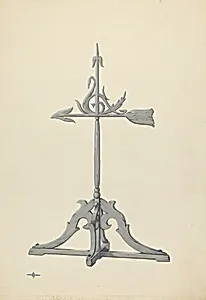
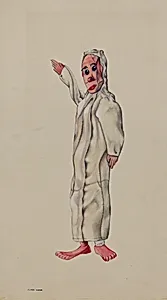
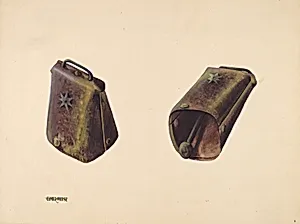
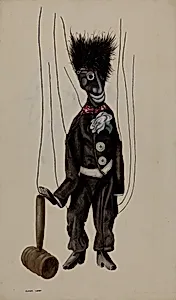
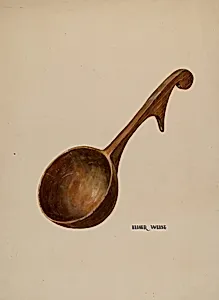
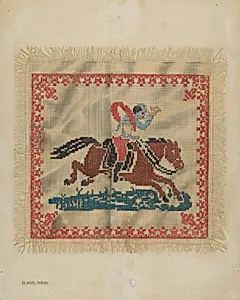
Among his major works held by the National Gallery of Art—numbering 25 in total—are evocative depictions such as *Wooden Dipper* (c. 1938), *Cross Stitch* (c. 1938), *Marionette—"King Saul"* (c. 1937), *Juggling Marionette* (c. 1937), *Weather Vane* (c. 1936), and *Handwoven Tapestry Coverlet* (c. 1938). These renderings not only immortalize objects like bootjacks, pie plates, and "Fan Dancer" marionettes but also convey their cultural resonance, from rural farm tools to theatrical folk puppets.
Weise's legacy endures through these archival treasures, which continue to educate on America's diverse craft heritage. Housed in prestigious collections, his renderings bridge art history and anthropology, reminding us of the artistry in the anonymous handmade. Though his personal story fades into obscurity, Weise's precise eye ensures that the ephemera of American life—threatened by industrialization—remains vividly alive.