Ctrl K
1838–1879
Emile Gsell (1838–1879) was a French photographer who became one of the earliest Western photographers to document Southeast Asia, particularly the ancient temples of Angkor in Cambodia. Born in Sainte-Marie-aux-Mines in Alsace, France, Gsell traveled to Indochina in the 1860s, establishing a photographic studio in Saigon (present-day Ho Chi Minh City) that became a base for his documentary expeditions.
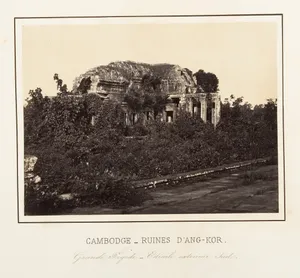
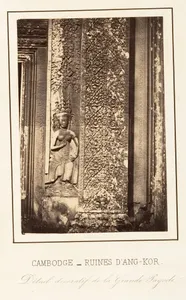
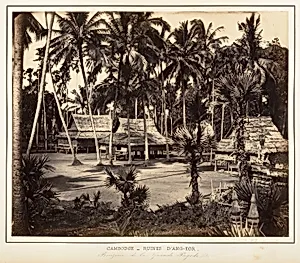
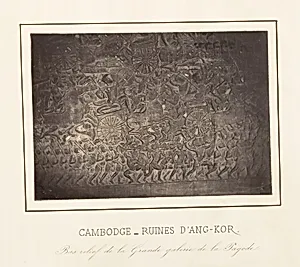
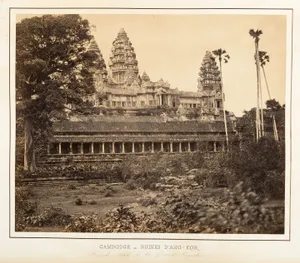
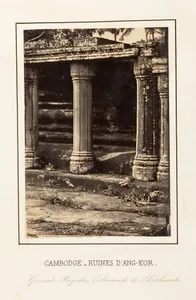
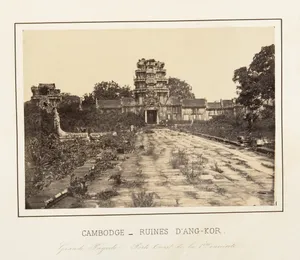
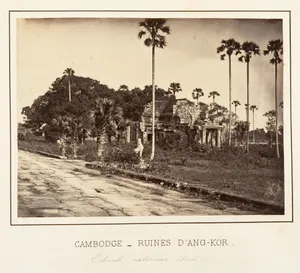
In 1866, Gsell accompanied the French explorer Ernest Doudart de Lagrée on a portion of the Mekong Expedition, producing some of the first photographs of the ruins at Angkor Wat and Angkor Thom. These images brought the magnificence of Khmer architecture to European audiences for the first time, supplementing the earlier drawings and descriptions by Henri Mouhot and sparking widespread fascination with the ancient Cambodian civilization.
Gsell's photographs of Angkor are remarkable for their technical quality given the extreme conditions — tropical heat, humidity, and the logistical challenges of transporting heavy wet-plate collodion equipment through dense jungle. His images capture the temples in a state of romantic ruin, draped in vegetation and partially reclaimed by the forest, creating an aesthetic that would influence how Europeans imagined Southeast Asian antiquity for decades.
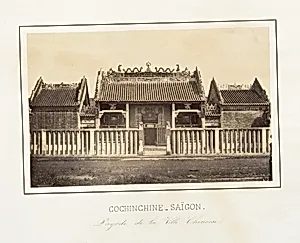
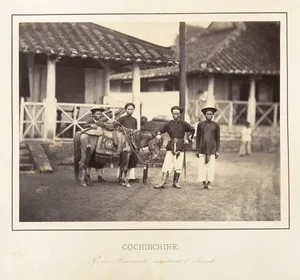
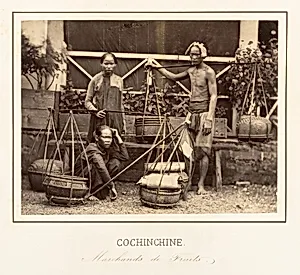
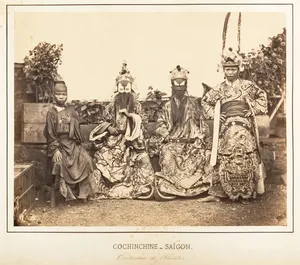
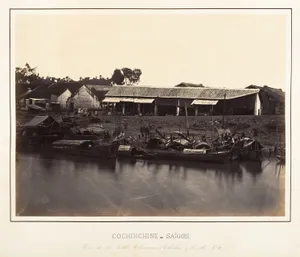
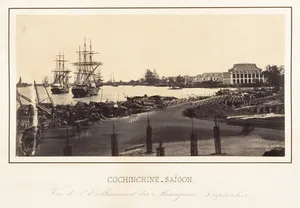
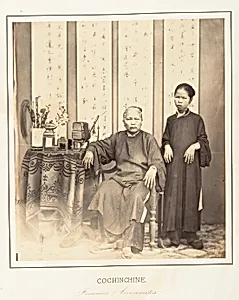
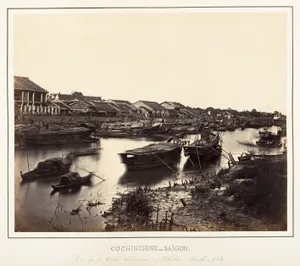
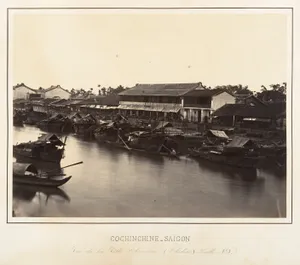
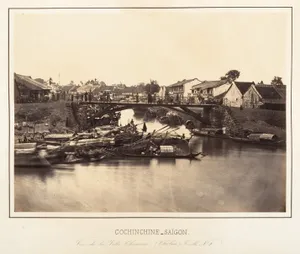
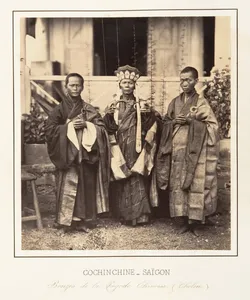
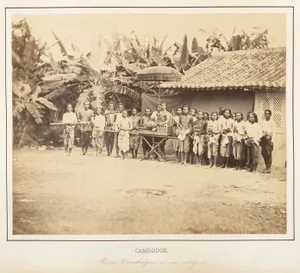
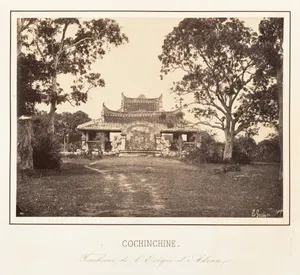
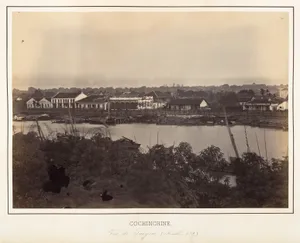
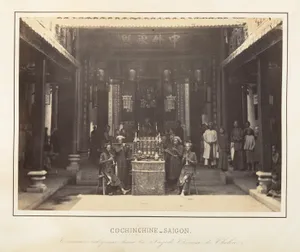
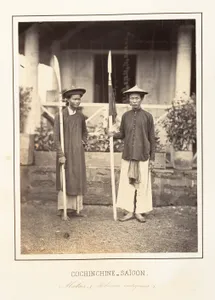
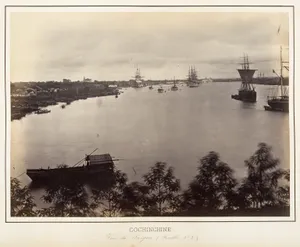
Beyond Angkor, Gsell documented daily life in colonial Saigon, Vietnamese landscapes, and the peoples of Cochinchina, creating an invaluable visual record of the region during a period of rapid transformation. He died young at age 41 in Saigon. His photographs are now held by the Musée Guimet, the Bibliothèque nationale de France, and various Southeast Asian archives, and remain essential documents for scholars of Khmer art and colonial-era photography.