Ctrl K
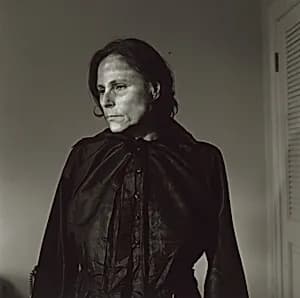
Emmet Gowin (born 1941) is an American photographer whose work spans intimate domestic portraiture and large-scale aerial landscape photography, combining a deeply personal vision with a sustained engagement with the American land and its transformation by human activity. Born in Danville, Virginia, he studied at the Richmond Professional Institute before pursuing graduate work at the Rhode Island School of Design, where he studied under the photographer Harry Callahan — an encounter that proved formative and that he has acknowledged as crucial to his artistic development. He later taught for many years at Princeton University, where he profoundly influenced successive generations of photography students.
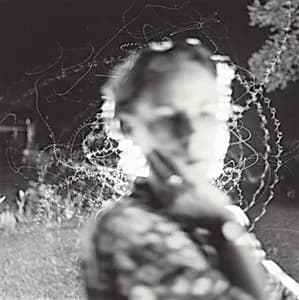
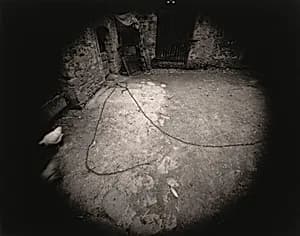
Gowin first came to wide attention with intimate black-and-white photographs of his extended family in rural Virginia and later in Danville — images centered especially on his wife Edith, who became the subject of some of his most celebrated and searching photographs. These early works are distinguished by their candor, warmth, and formal invention: Gowin used a circular image format produced by his camera's lens projection, creating photographs with dark, vigneted borders that lend the images a dreamlike, enclosed quality, as though glimpsed through a portal into another world. The family photographs are at once deeply personal and universally resonant, exploring themes of love, domesticity, vulnerability, and the human body.
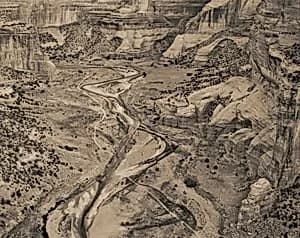
In the 1980s, Gowin's work underwent a significant shift as he turned to aerial photography of the American landscape, particularly sites scarred by nuclear testing, military activity, and industrial extraction. These large-format aerial photographs — of Nevada test sites, open-pit mines, and other drastically altered terrains — brought his meditative sensibility to bear on subjects of urgent environmental and political concern. The resulting images are simultaneously beautiful and disturbing, requiring viewers to hold aesthetic pleasure and moral discomfort in productive tension.
Gowin's work is held in major museum collections across the United States and internationally, and he has received numerous awards and fellowships in recognition of his contributions to photography. He is regarded as one of the most thoughtful and formally inventive American photographers of his generation, an artist whose career demonstrates the breadth of photographic vision.